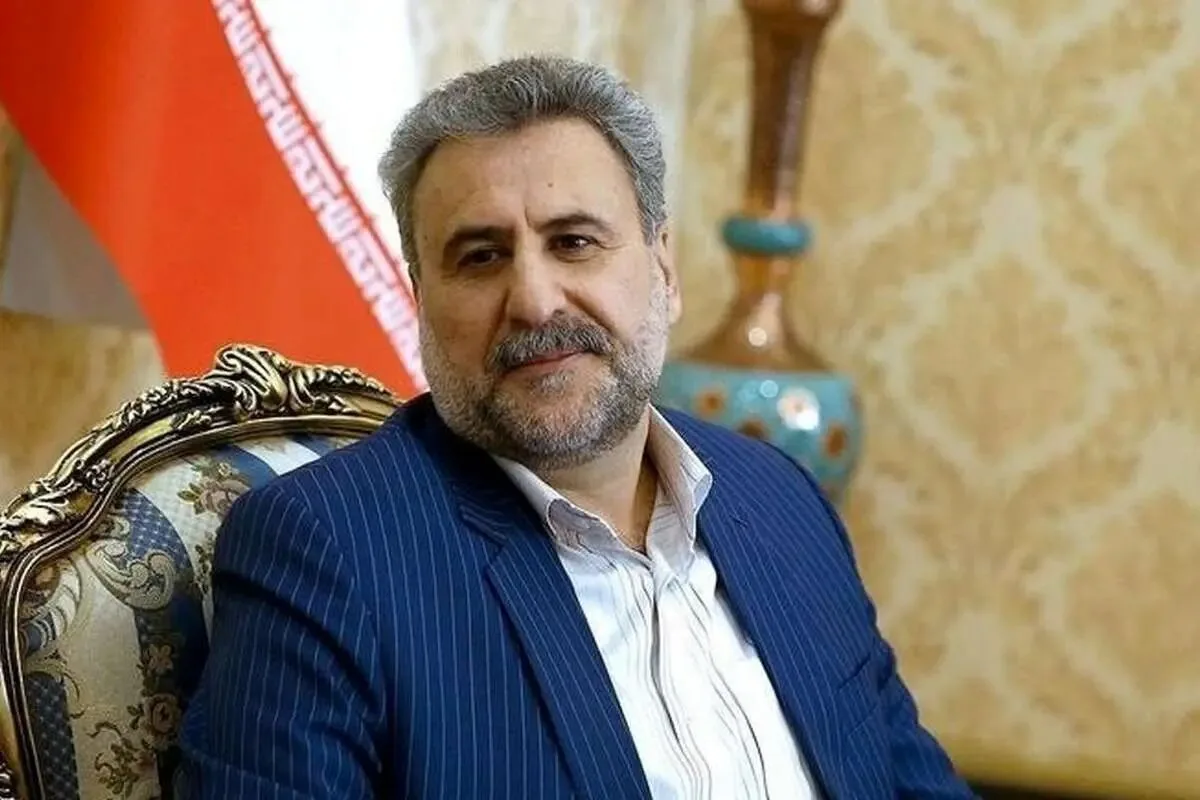
Falahatpisheh elaborated on the behind-the-scenes of diplomatic movements between Iran and the United States in an interview with Etemad newspaper, emphasizing that Washington's plans smell more of adventurism and ultimatum. He also pointed out that Iran is trying to strengthen the diplomatic option by monitoring developments and vulnerabilities of the opposing side.
Diplomatic Realities and America's Ultimatums
Falahatpisheh believes that "Asif Munir" has come as the messenger of America's latest demands to Iran, and this official did not visit Tehran as part of a diplomatic initiative. He explains that the level of expectations from diplomacy should be defined in accordance with the objective realities of the field. In his opinion, what has been decided in America is that a significant portion of Iran's nuclear and military capabilities must be restrained.
Read more: Ali Zaini Vand announced the date of the presidential and parliamentary elections
Falahatpisheh adds: "This is a policy that the Americans have specifically adopted after the failure of the previous understanding, and for this reason, the responses they give to Iran's proposals are more often accompanied by ultimatums." He emphasizes that in every response, the Americans convey a more hardline position to Tehran, and conversely, Iran also has tools and propositions at its disposal that it tries to use to compel the opposing side to agree.
Iran's Field Movements and War Predictions
This former parliament member continues to answer the question of whether the Americans might engage in adventurism against Iran before the elections, stating that America is making a strong effort to avoid entering into war with Iran before the elections on November 3. In his view, this indicates that the Americans do not want the elections to be overshadowed by war.
Falahatpisheh clarifies: "In the House of Representatives, competition has shaped in such a way that the issue of Iran has largely moved out of the electoral framework in America." He points out that the proposals America offers for an agreement are actually more aimed at surrender-like conditions against Iran, and for this reason, these proposals do not yield results.
Falahatpisheh concludes by referencing Iran's field and military reactions, stating: "Iran also has winning cards and is conducting movements that signify war predictions. Existing data shows that Iran has anticipated the movements of the opposing side, and the type of military movements that Iran is undertaking indicates that within Iran, it has also reached the conclusion that war should not be surprising."
He also adds: "Iran tries to highlight the vulnerabilities of America and its allies, and by emphasizing these vulnerabilities, it aims to create deterrence and compel America to put a real diplomatic agreement on the agenda."
Read more: Traffic accident in Sistan and Baluchestan claimed the lives of nine Afghan migrants · America issued an order for some of its diplomats to leave Arab countries