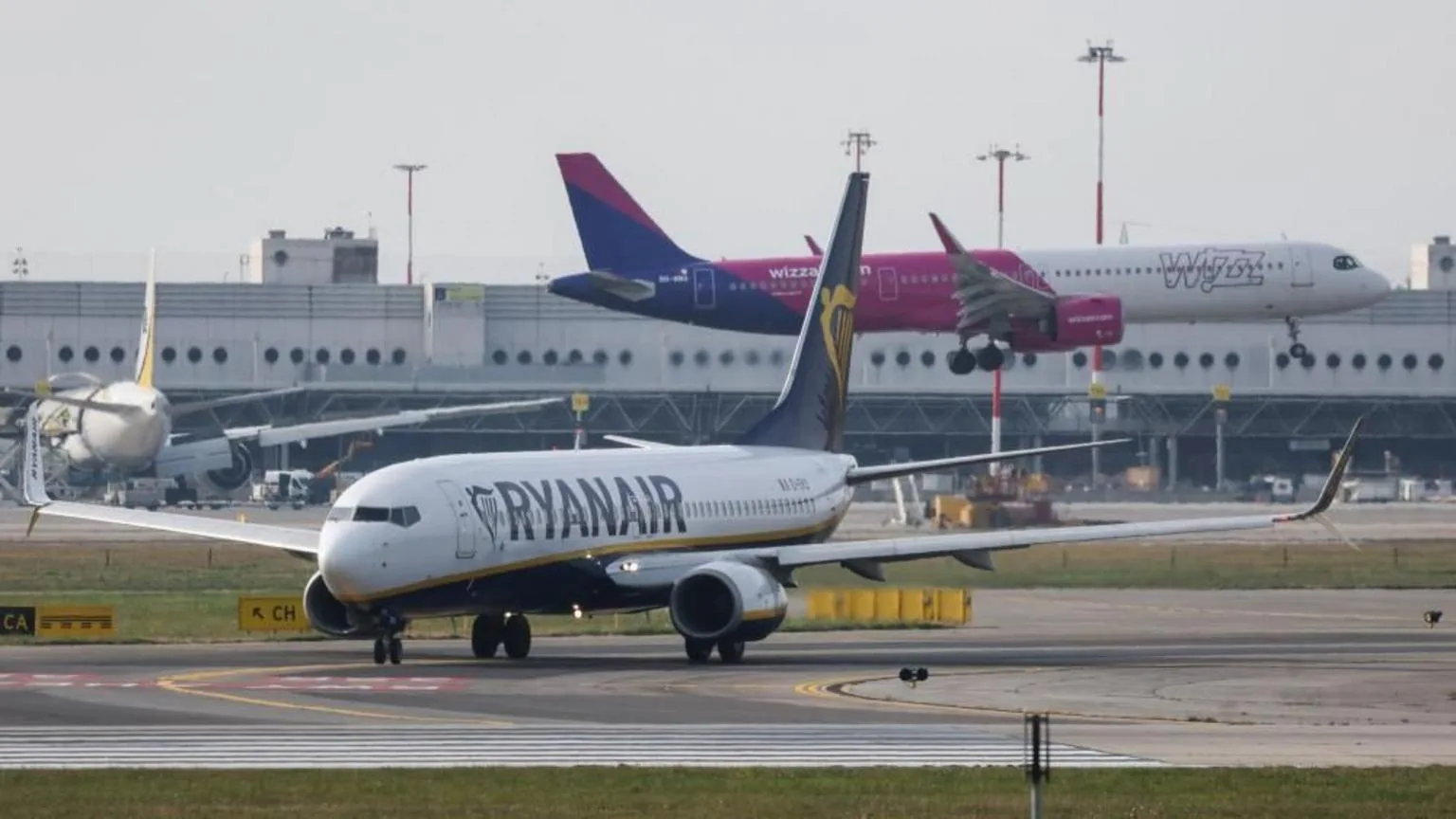
The aviation industry is confronted with at least 32 bomb threats that have impacted twelve airlines over four days, facing a potential new crisis. It appears that some of these threats were made via phone calls and others through emails. Although all of them ultimately turned out to be fake, each was taken seriously enough for authorities to take emergency actions.
Emergency Responses and Unintended Consequences
Some airplanes had to continue their flights under military fighter escorts, while in others, flight crews inspected the aircraft mid-route without causing concern among passengers. Several flights were also forced to divert from their original destinations and land at other airports, sometimes even in different countries.
Read more: Bomb threats in Europe; flights suspended
However, the most concerning aspect of the events over the past few days seems to be the randomness of the target selection and the lack of any credible information about the perpetrators of these threats. Aside from a few emails claiming that a misogynistic extremist group was responsible for some of these incidents, a claim later denied by the founder of that group, it appears there are few leads available.
Investigations and Accusations Towards Russia
Airports and airlines have little they can do to prevent such threats, as they can originate from a wide range of sources. The simultaneous and coordinated nature of these fake threats against airlines, alongside other acts of sabotage in Europe, has led some to point fingers at Russia.
Following a series of cyberattacks and mysterious drone sightings over sensitive sites earlier this year, there have been recent incidents involving remote hacking of refrigerated systems at chain stores and a blood bank. Additionally, a suspicious incident occurred at the Poland-Russia border, and in August, Leipzig Halle Airport in Germany was targeted by a drone attack; an attack that Germany's Interior Minister openly attributed to Moscow.
Among these incidents, there was also a threatening email sent on Thursday morning to airport officials in Rome, allegedly from a group called "Manly Fighters." This name likely refers to the Russian group "Mojskoy Legion" or "Legion of Men"; a far-right group banned by a court in Moscow in 2021 due to its extremely radical views.
However, the email sent to Rome, even if genuine, is unlikely to provide the clues that police and airport officials need to identify the perpetrators of these fake threats and their motivations. For police forces, airport officials, and transportation ministries trying to identify the culprits behind these fake threats and find ways to mitigate their consequences if they recur, the main task is not to pursue the most likely suspects based on speculation, but to follow objective and documented leads.
Read more: Netanyahu's office reacts to the halt of U.S. military aid · Opening bank accounts in Russia for Iranians under special conditions