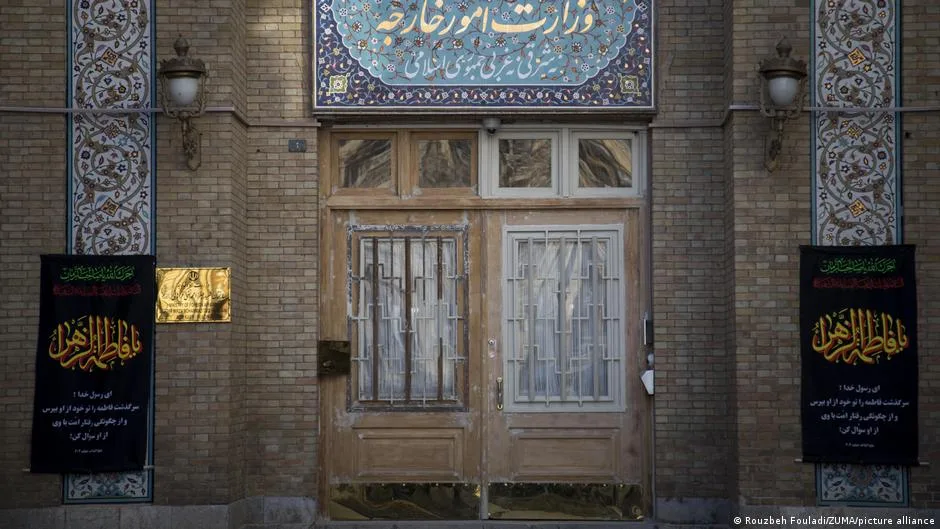
The Ministry of Foreign Affairs of the Islamic Republic of Iran has requested a Swedish diplomat to leave Iranian soil in response to Sweden's retaliatory action of expelling an Iranian diplomat. This decision was made following recent tensions between the two countries in political and judicial matters.
Tensions and Reasons for Diplomat Expulsions
The Swedish government on Wednesday, September 25, simultaneously summoned the Iranian ambassador and expelled an employee of the Iranian embassy. This action was attributed to activities contrary to the Vienna Convention on Diplomatic Relations. In response, Iran has described this action as "inexcusable" and announced that a Swedish diplomat must also leave Iranian territory.
Read more: Social Development of Women in the Capital with the Focus on the City Council and Municipality
Swedish officials had previously reported the existence of security information regarding the possibility of Iran using criminal groups in Sweden to target opponents of the Iranian government as well as centers related to the Jewish community and Israel. These allegations have fueled further tensions between the two countries.
History of Iran-Sweden Relations
Relations between Iran and Sweden have recently been at their lowest historical level due to various reasons, including judicial cases and human rights issues. The arrest and trial of Hamid Noury, one of the perpetrators of the 1988 executions, in Sweden, as well as the detention of Swedish nationals in Iran, such as Johan Flodros, a European Union diplomat, and Ahmadreza Jalali, an Iranian-Swedish researcher, are among the issues that have impacted existing tensions.
Additionally, issues related to the execution of dual nationals and the incident of burning the Quran in Stockholm have also exacerbated tensions between the two countries. In response to Sweden's recent actions, Iran summoned the ambassador of that country to the Ministry of Foreign Affairs and expressed its strong protest against Sweden's destructive policies.
This situation reflects the complexities of international and diplomatic relations, which could have wide-ranging consequences for both countries as well as regional and international security.
Read more: Implementation of the "School Cinema" Plan and Commemoration of the Martyrs of Minab in Schools · Dr. Al-Shalimi: Normalizing Our Relationship with Israel Due to Iran is Close