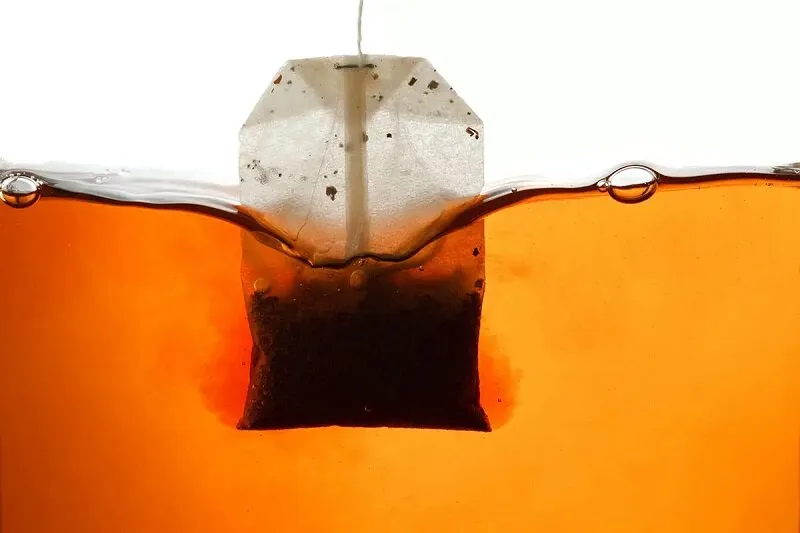
Dr. Smita Patel, a neurologist and sleep medicine specialist, has recently warned about the dangers of consuming tea bags. She says, "Something as simple and soothing as a cup of tea can also be an unexpected source of exposure to microplastics. The materials used for packaging tea deserve more attention."
Dangerous Compounds in Tea Bags
Dr. Patel explains that some mesh tea bags are made from nylon or polyethylene terephthalate (PET). She also points out that some paper bags use polypropylene or heat-sealing polymer to keep the bag intact in hot water. These plastics may be embedded in the paper structure and not just used as adhesive along the edges.
Read more: Medical Oath Ceremony for Non-Iranian Graduates at the Shrine of Imam Reza (AS)
Dr. Haralabos Zacharatos, director of endovascular neurosurgery at Kennedy Medical Center, notes that placing a tea bag in nearly boiling water can release microplastics and nanoplastics into the drink. An older study from McGill University in Canada showed that brewing a plastic tea bag at 95 degrees Celsius can release about 11.6 billion microplastic particles and 3.1 billion nanoplastic particles into a cup.
The Impact of Microplastics on Brain Health
Dr. Peter Joseph Strack, a headache specialist and general neurologist, says, "The amount of microplastics released in tea varies and is influenced by factors such as brewing time, bag material, and temperature." Currently, scientists are still investigating the effects of microplastics on brain health. Dr. Patel refers to animal studies that show these particles can cross the brain's protective barriers and cause inflammation and cell damage.
In an autopsy study in 2025, researchers found plastic particles in the human brain and observed that their concentration was higher in samples from individuals with dementia. Dr. Strack also suggests using loose tea in stainless steel infusers or glass or porcelain teapots to reduce exposure to microplastics.
He further notes that completely eliminating exposure to microplastics in today's environment is impossible, but removing an avoidable source can help reduce overall risk over a lifetime. If you are currently using tea bags, it is recommended to significantly lower the water temperature.
Dr. Zacharatos emphasizes that the human body is remarkably resilient and has complex biological systems designed to eliminate toxins. Therefore, if you have been using tea bags for years, there is no need to worry about the cups you have consumed in the past.
Read more: Dr. Ehsan Mostafavi Announced the Start of Reconstruction of Pasteur Institute · Cold or Flu; Examining Important Differences in Symptoms