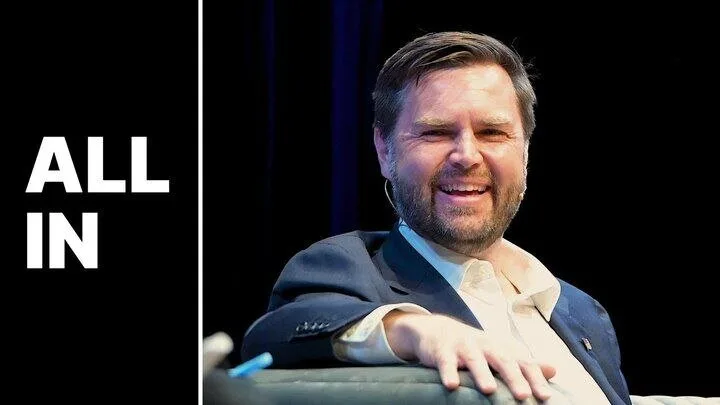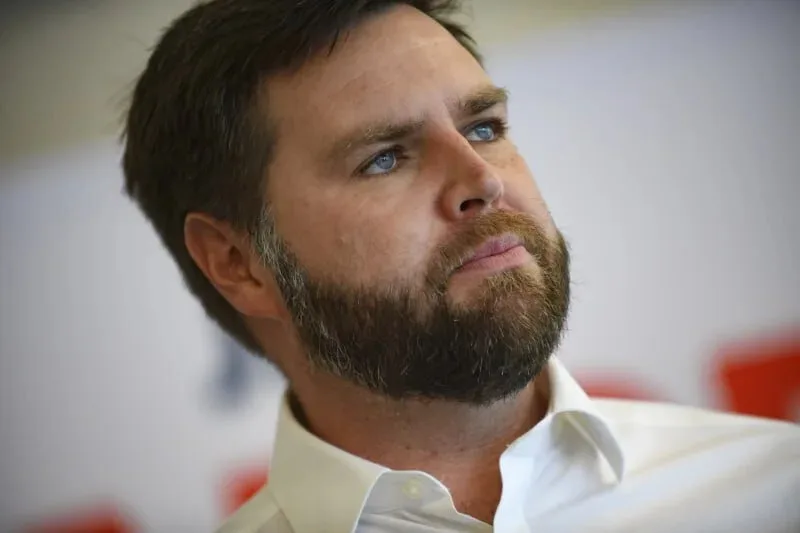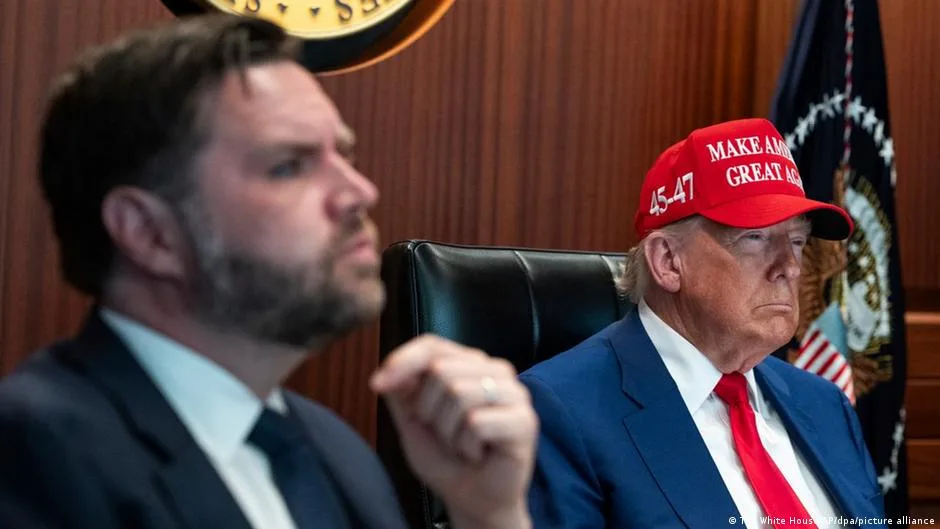
Donald Trump, the President of the United States, firmly denied at a press conference at Andrews military base the reports that he had ordered his deputy, JD Vance, to initiate peace talks with the Islamic Republic of Iran. These statements come as tensions between Iran and the United States continue amid ongoing conflicts in the region.
Details of Trump's Denial
In response to reporters' questions, Trump said that JD Vance's contact with officials of the Islamic Republic was solely to discuss the provision of aid and medical supplies. He emphasized that these contacts are in no way related to peace negotiations, and there is currently no plan for dialogue with Iran in this regard.
Read more: Iran Rejects Qatar's New Peace Proposal as Unacceptable
Background of Tensions and Negotiation Efforts
These statements come at a time when the Wall Street Journal had previously reported, citing sources in the United States, that JD Vance had sent a letter to Mohsen Rezai, the Secretary of the Supreme National Security Council of the Islamic Republic, at Trump's direction. The aim of this action was to create a basis for resuming peace talks and exploring the possibility of establishing a framework for reducing tensions.
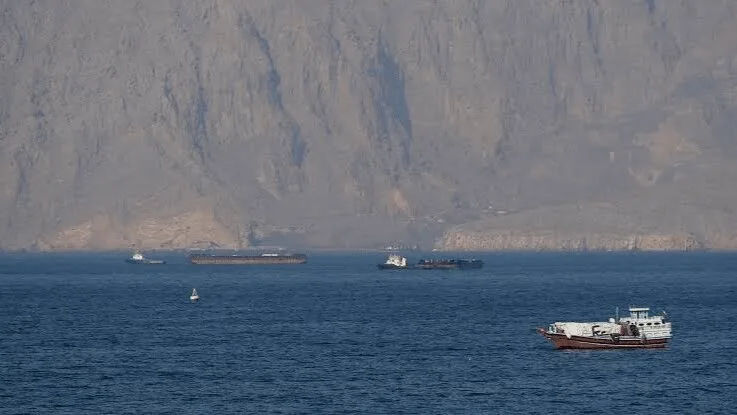
Additionally, these reports have mentioned measures designed to prevent the onset of a new round of U.S. military attacks following the midterm elections. In this context, some sources have referred to the preparation of Gulf Arab countries for a short-term and intense military campaign.
Domestic and International Impacts
Trump's denial on this issue could have significant impacts on the international relations between the United States and Iran. While tensions in the region have reached a peak, any sign of negotiation could keep hopes alive among analysts and diplomats for improving relations between the two countries. However, with Trump's denial, these hopes are severely diminished, further fueling uncertainty in the relations between the two countries.
It is essential to note that relations between Iran and the United States, especially following the unilateral withdrawal of the U.S. from the nuclear agreement in 2018, have soured significantly, and any attempt at negotiation requires a suitable atmosphere and trust-building. Now, in light of Trump's recent statements, it seems that the conditions for the peace talks that many hope for are not very favorable.
Read more: Meeting of Vladimir Putin and Daniel Francisco Chapo and Their Significant Height Difference · Baghaei: Trump's Statements About Countries Indicate Weakness in U.S. Politics