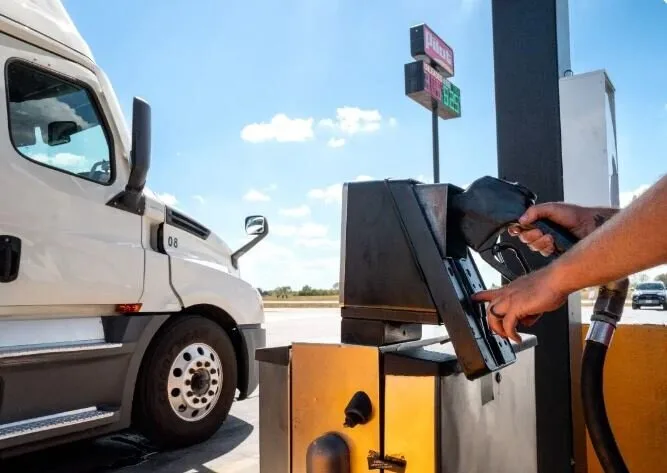
The average retail price of diesel in the United States surpassed $6.50 per gallon last weekend. This price increase comes as the global fuel crisis intensifies, posing serious threats to various economies around the world.
Dimensions of the Global Fuel Crisis
The global fuel crisis is driven by multiple factors including geopolitical tensions, supply shortages, and rising energy demand. With crude oil prices increasing and export restrictions in some countries, transportation and production costs have surged globally. This not only affects fuel prices but also has a cascading effect on other goods and services.
Read more: Brent crude oil rises above $104 at the start of the new week
Consequences of Rising Diesel Prices
With the increase in diesel prices, transportation costs for companies and consumers will rise. This cost increase could lead to higher prices for goods and services, putting additional pressure on households. Particularly in countries that heavily rely on road transport, this price hike could have profound negative impacts on people's daily lives.
In this context, some economic analysts predict that rising fuel prices could lead to economic recession in certain countries. For this reason, governments and economic institutions are working to mitigate the negative effects of this crisis through various measures.
Ultimately, the global fuel crisis is not only a serious economic challenge but also affects the daily lives of people. Given the current trends, there is an increasing need for smart solutions and international cooperation to manage this crisis.
Read more: Hamed Pasham Mohammadi: Iran's High Potential for Trade with Africa · Greg Stanton Emphasizes the End of the War Against Iran