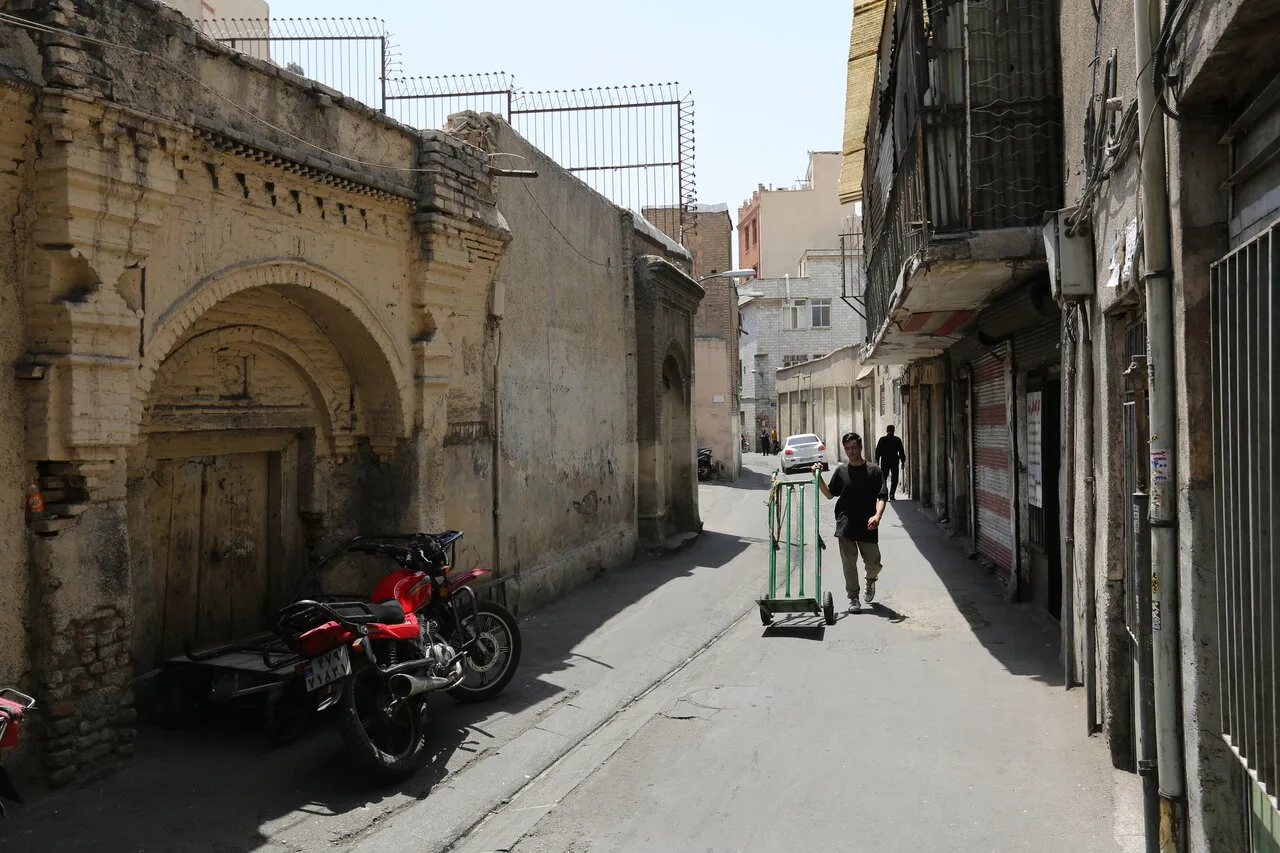
Developing architectural patterns for the historical textures of the Sanglaj and Farahzad neighborhoods is underway with the aim of preserving the cultural and historical identity of these areas. Nasrollah Abadian, the Deputy Mayor of Urban Planning and Architecture of Tehran, highlighted the importance of this initiative, stating: "The protection of architectural heritage should not be limited to a historical building. What is built around these structures also plays a role in preserving the historical identity of the neighborhood."
The Necessity of Coordination in New Constructions
Abadian emphasized that new constructions must be in harmony with the architectural features and appearance of these areas. He added: "The development of architectural patterns and construction regulations for historical textures, including Sanglaj, is being pursued in collaboration with consultants." These efforts have been welcomed by the Cultural Heritage Organization, and the review and development of proposed patterns are ongoing.
Read more: The likelihood of Reza Pahlavi becoming king is very low
The Deputy Mayor of Urban Planning and Architecture of Tehran, referring to the importance of residents' lives in historical neighborhoods, stated: "The sustainability of a historical neighborhood is not solely dependent on preserving its buildings. If life fades from the streets and residents cannot continue living in the neighborhood, part of its identity will gradually diminish."
Emphasis on Economic and Residential Aspects
Abadian also stressed the importance of considering economic and residential conditions in revitalization programs, saying: "Sustainable revitalization of historical textures is not possible without attention to economic and residential dimensions." According to him, providing suitable conditions for housing construction and creating investment opportunities can help retain residents and revitalize neighborhoods.
Yaser Jafari, the Director General of Architecture and Building of Tehran Municipality, also announced the conduct of expert studies to develop architectural patterns suitable for the historical texture of Farahzad. He stated: "These studies are being conducted in collaboration with consultants to ensure that new constructions meet today's needs while being compatible with the architectural and historical identity of the neighborhood."
Jafari emphasized that paying attention to the specific characteristics of each area in the construction and renovation process plays a crucial role in preserving the historical and architectural identity of neighborhoods. Developing suitable patterns can facilitate coordination between urban development and the preservation of local values.
In this context, Sanglaj and Farahzad, with their unique backgrounds and characteristics, remind us that the revitalization of historical textures is not limited to the restoration of old buildings. Preserving the lives of residents, the structure of the neighborhood, and the possibility of continuing daily activities must be considered so that these textures remain as vibrant parts of today's city.
Read more: Iran seeks to respond to increasing threats of war and sanctions · The