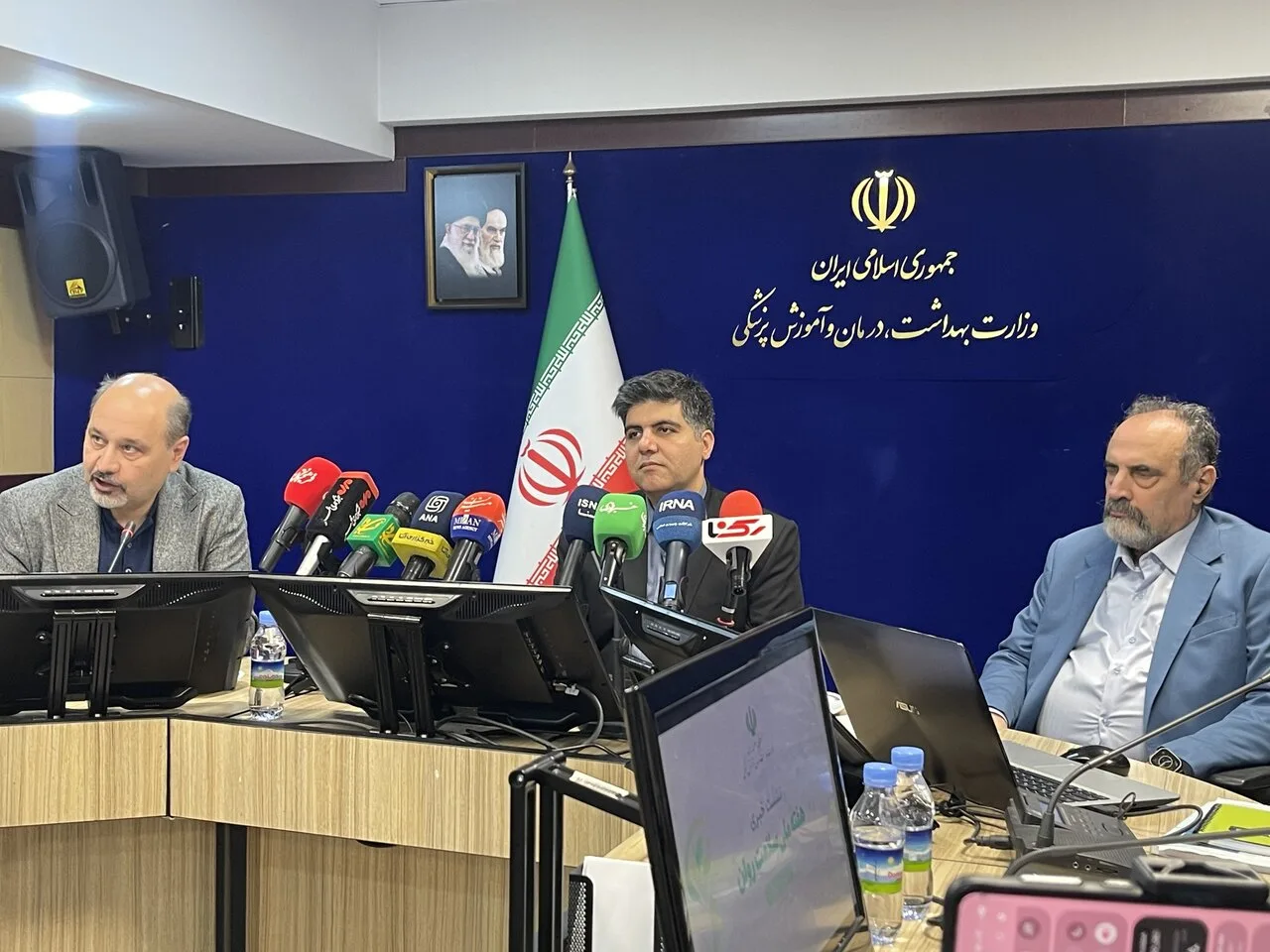
Dr. Mohammad Reza Shalbaghan, the Director General of Mental, Social, and Addiction Health at the Ministry of Health, addressed the state of mental health in Iran during a press conference for Mental Health Week. He emphasized the necessity of paying attention to the mental health of those affected by various crises last year and their psychological and social impacts. According to Shalbaghan, since the beginning of 2025, the issue of crisis management and responding to mental health needs has been on the agenda of the Health Deputy of the Ministry of Health.
Consultation Services and Call Statistics
Dr. Shalbaghan added that since the start of the Ramadan War, approximately 3.2 million people have undergone screening and specialized mental health services, with nearly 700,000 needing psychological interventions. During the crisis, the telephone system 190 has been dedicated to providing mental health services, and on some days, the number of calls has reached 5,000. This service has been particularly well-received by individuals in affected areas and hospitals.
Read more: Preventing Constipation While Traveling With Proper Nutrition
Development of Mental Health Centers and Specialized Services
The Director General of Mental Health at the Ministry of Health referred to the development of the Saraj program and stated that this program starts services from the first level of the health system and offers more specialized services from psychologists and psychiatrists at the second level. The number of Saraj centers has increased from 104 last year to 148 centers. Shalbaghan emphasized that the development of these centers indicates the importance of mental health services and their effectiveness in the covered areas.
He also pointed to the importance of a culture of dialogue in society, stating that people should have the opportunity to be heard and to hear others. This year's slogan from the World Health Organization, centered around "Hearing Community Narratives; A Step to Overcome the Crisis," emphasizes this issue. The campaign "Returning to Calm After Crisis" has also been designed to promote the mental health of the community.
Shalbaghan further referred to the state of mental disorders in the country, stating that depression is the most common mental health disorder in Iran, and the community's attitude towards individuals with psychiatric disorders needs to be corrected. He added that in some cases, even families distance themselves from the affected individual and are reluctant to talk about their illness.
The Director General of Mental Health at the Ministry of Health also mentioned the insurance coverage for psychological and psychiatric services, stating that psychotherapy services in public centers are covered by insurance, but there is a need to strengthen oversight and executive mechanisms for psychological services in the private sector.
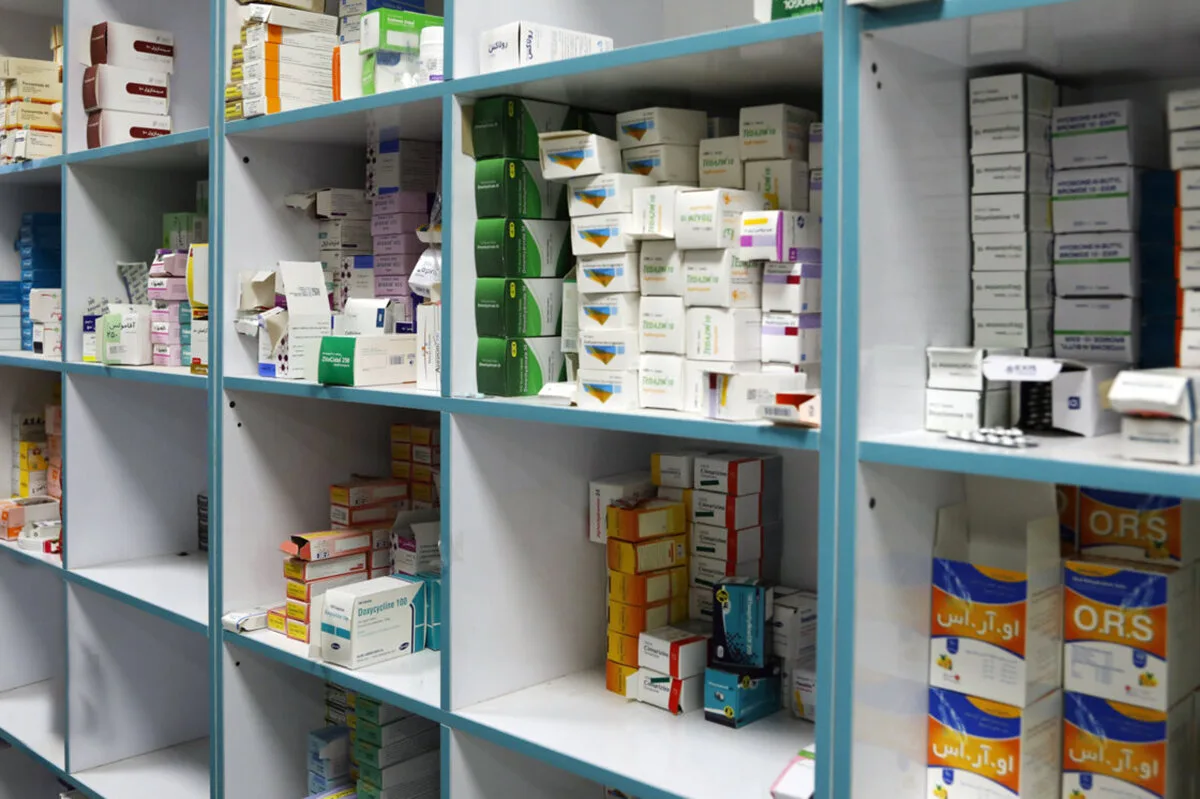
Shalbaghan also addressed the challenges in securing psychiatric medications, stating that ensuring the availability of medications in this field requires special attention, and the Ministry of Health is pursuing existing issues in this regard. He added that although in some cases alternative medications may be available, the shortage of even one psychiatric medication can create problems for patients.