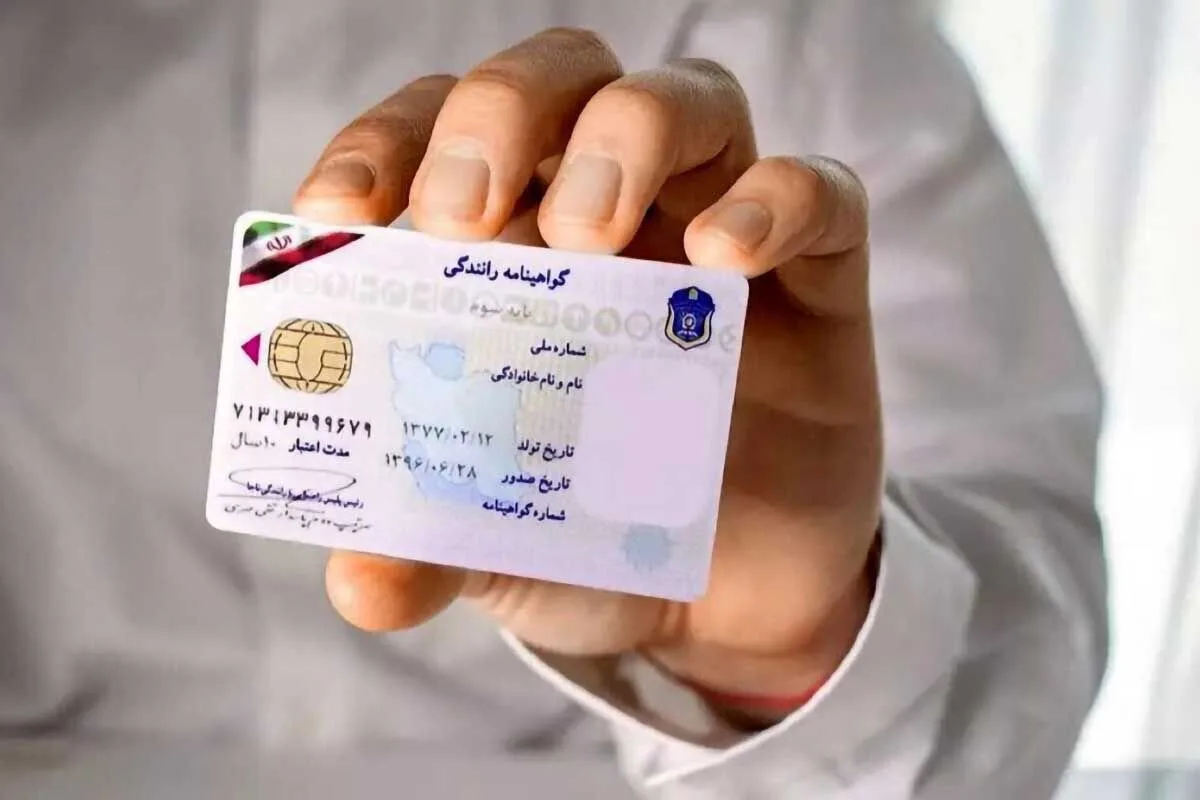
Colonel Arash Amiri, head of the Traffic Police Certification Center of the Faraja, elaborated on the differences between the bilingual national license and the international license in a press conference. He emphasized that the issuance of driving licenses in the Islamic Republic of Iran is the responsibility of the police force, and the conversion of national licenses to international documents is the responsibility of the Iran Touring and Automobile Club according to relevant regulations.
Requirements for Obtaining an International License
Amiri explained: "Individuals who intend to drive abroad must, in addition to having a valid driving license from the Islamic Republic of Iran, obtain an international license from the relevant authority if required by the laws of the destination country." According to him, Article 41 of the 1968 Vienna Road Traffic Convention states that domestic licenses must meet specific features and standards.
Read more: Iraqi announced Iran's conditions for reopening the Strait of Hormuz
Bilingual National License: Features and Limitations
The head of the Traffic Police Certification Center of the Faraja referred to the design and issuance of Iran's bilingual national license and stated: "This license is designed in Persian and English, adhering to relevant standards." The inclusion of information in English aims to facilitate identification and verification of the license abroad. However, Amiri emphasized that being bilingual does not mean it is an international license.
He added: "Holders of the bilingual national license can utilize the advantage of having English information and facilitating the identification process of their license within the framework of the regulations of the countries that are parties to the Vienna and Geneva Conventions, but the acceptance of the national license in any country is subject to the laws and regulations of that country."
Amiri further clarified that the bilingual national license of the Islamic Republic of Iran is not a substitute for an international license, and citizens should be aware that in countries where an international license is mandatory, they must obtain an international license in addition to having a valid national license.
He concluded by noting that citizens should carefully review the regulations of the destination country before traveling and driving abroad to determine whether the bilingual national license is sufficient for driving or if obtaining an international license is also necessary.
Read more: Meeting of Seyed Abbas Araghchi with Antonio Guterres in New York · Guterres called for continued diplomatic efforts to resolve disputes between Washington and Tehran