Artificial intelligence, with the prediction of creating $15 trillion in added value by 2030, is changing the map of global wealth. In this situation, Iran's economy is at a crossroads between securing expensive infrastructure and optimizing industries. Overcoming this stage requires a shift from mere imitation to designing indigenous models to solve macroeconomic imbalances.
Opportunities and Challenges of Artificial Intelligence in the Global Economy
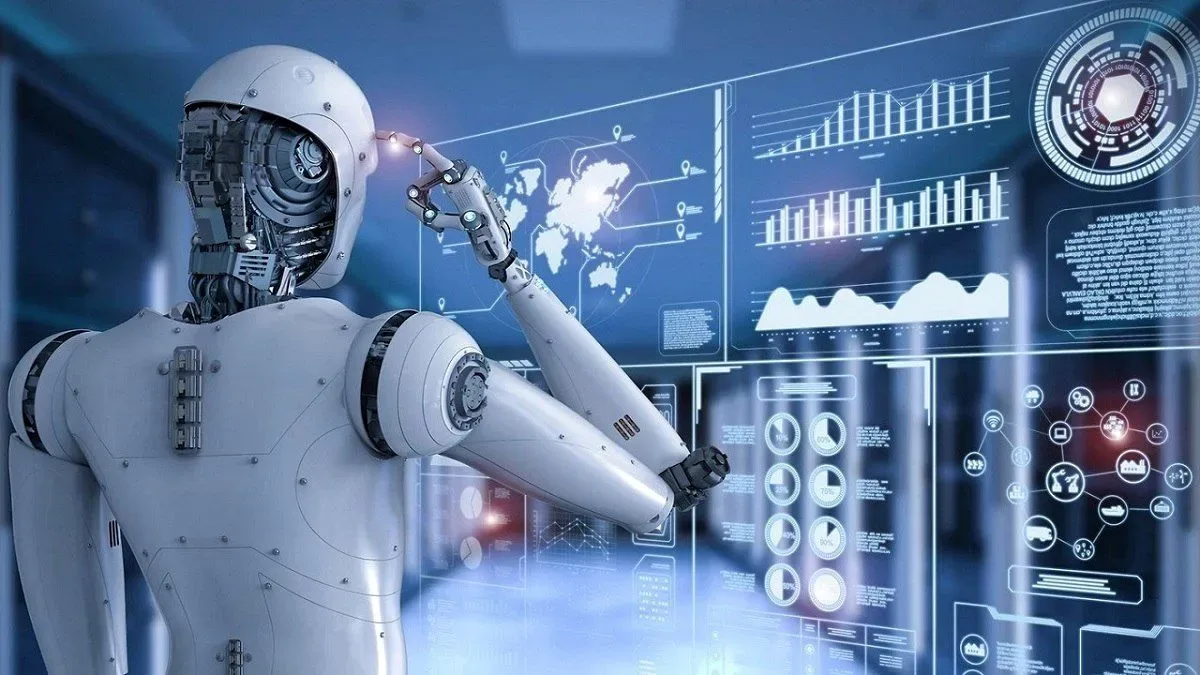
Artificial intelligence has become the main driver of transformation in the structure of the global economy. Reputable financial institutions predict that this technology could add between $4.4 trillion and $15.7 trillion in added value to the world's GDP annually. This remarkable leap is due to the automation of complex processes, optimization of supply chains, and transformation in the financial services sector. In this context, technology giants like Microsoft and Amazon are spending billions of dollars on developing processing infrastructures.
Read more: 10 Simple Habits to Save Half of Your Income
Geopolitical Competition and Iran's Challenges
Today's world witnesses a deep divide between countries at the forefront of financing and developing artificial intelligence and those that are merely consumers of these technologies. The costs of entering this competition are high, and Iran faces serious challenges in this regard. Additionally, the costs of research and development in software and access to advanced equipment have compounded these challenges.
In Iran's economic geography, the issue of artificial intelligence has transformed from an academic idea into a strategic necessity. With the establishment of the "National Artificial Intelligence Organization," efforts have been made to provide institutional and policy frameworks for a leap in this technology. However, Iran's economy grapples with challenges such as imbalances in the electricity network and technology sanctions.
Experts believe that Iran can generate revenue by designing indigenous models in advantageous industries such as oil, gas, and petrochemicals instead of imitation. By allocating exemptions and real facilities, it is possible to attract specialized human capital and convert investment costs into added value.
Entering this new trajectory and aligning with the economic trends of artificial intelligence will be the boundary between industrial isolation and economic prosperity for Iran in the decisive decades ahead.
Read more: Increase in Gold and Coin Prices on October 1; Dollar Approaches New Channel · Mahdi Darabi: Importing Cars by Iranians Abroad Increases Pressure on the Currency Market