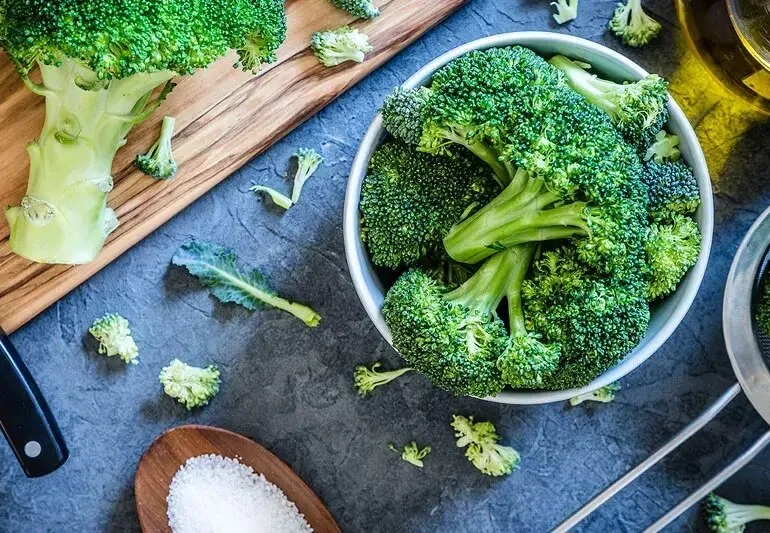
Broccoli has attracted special attention from researchers as one of the most effective food options for combating cellular aging and preventing chronic diseases. In the past, it was commonly believed that longevity was largely dependent on genetics, but now research shows that lifestyle and dietary habits play a very important role in this regard.
Unique Compounds in Broccoli
Kelly Burgess, a senior nutrition expert, describes broccoli as a unique collection of fiber, vitamin C, carotenoids, flavonoids, and phenolic acids. These bioactive elements harmoniously contribute to the nutrition of beneficial gut bacteria and assist the body in combating chronic inflammation. The gradual accumulation of cellular damage, which is a hallmark of entering old age, is delayed with the help of these compounds.
Read more: Mohammad Reza Zafarghandi: Iran is taking action to control dengue fever and Aedes mosquitoes
Sulforaphane and Its Role in Health
Sulforaphane, a powerful compound in broccoli, is recognized as the most distinctive factor in increasing longevity. This protein compound activates a protein called Nrf2 in cells, which is the key to the body's defense and detoxification systems. As we age, the activity of this protein decreases, and sulforaphane can act as a barrier against biological degradation.
Clinical studies have shown that daily consumption of 10 grams of broccoli sprout powder can significantly reduce C-reactive protein and inhibit oxidative stress markers. These clinical findings indicate the remarkable potential of broccoli in improving people's health.
Alongside sulforaphane, flavonoids such as quercetin and kaempferol also help protect cell structures from degradation. The link between fiber intake and increased longevity is one of the strongest empirical findings in nutrition science, showing that adding every 10 grams of fiber to the daily diet reduces mortality risk.
Broccoli, with 2.4 grams of fiber per cup, makes a significant contribution to meeting the body's basic needs. Each bowl of soup or salad with broccoli is an opportunity to absorb fiber and cell-protective compounds that contribute to vascular health in the long term.
The stems and sprouts of broccoli are rich in vitamins C, K, and folate. These vitamins are essential for boosting immunity and preventing damage from free radicals. Additionally, folate helps regulate homocysteine levels in the blood, as its accumulation can pose a threat to coronary arteries.
Ultimately, it should be noted that no single food can guarantee longevity. The fundamental advantage of broccoli lies in its ability to integrate and harmonize with other components of a healthy diet. Experts recommend consuming broccoli within the framework of a diverse plant-based diet to maximize its benefits.
Read more: Softness and Smoothness of Skin in Autumn; 6 Home Remedies to Combat Dryness · Mahdi Pirhadi calls for special attention to Razi Psychiatric Hospital