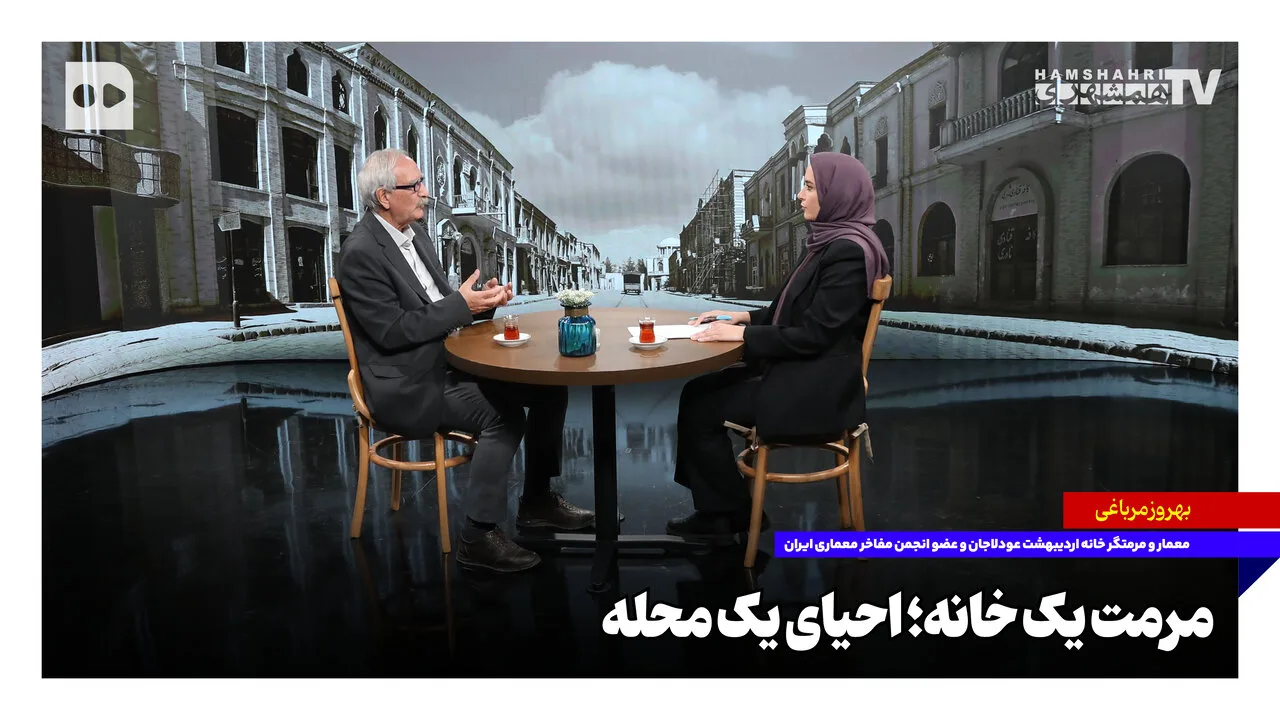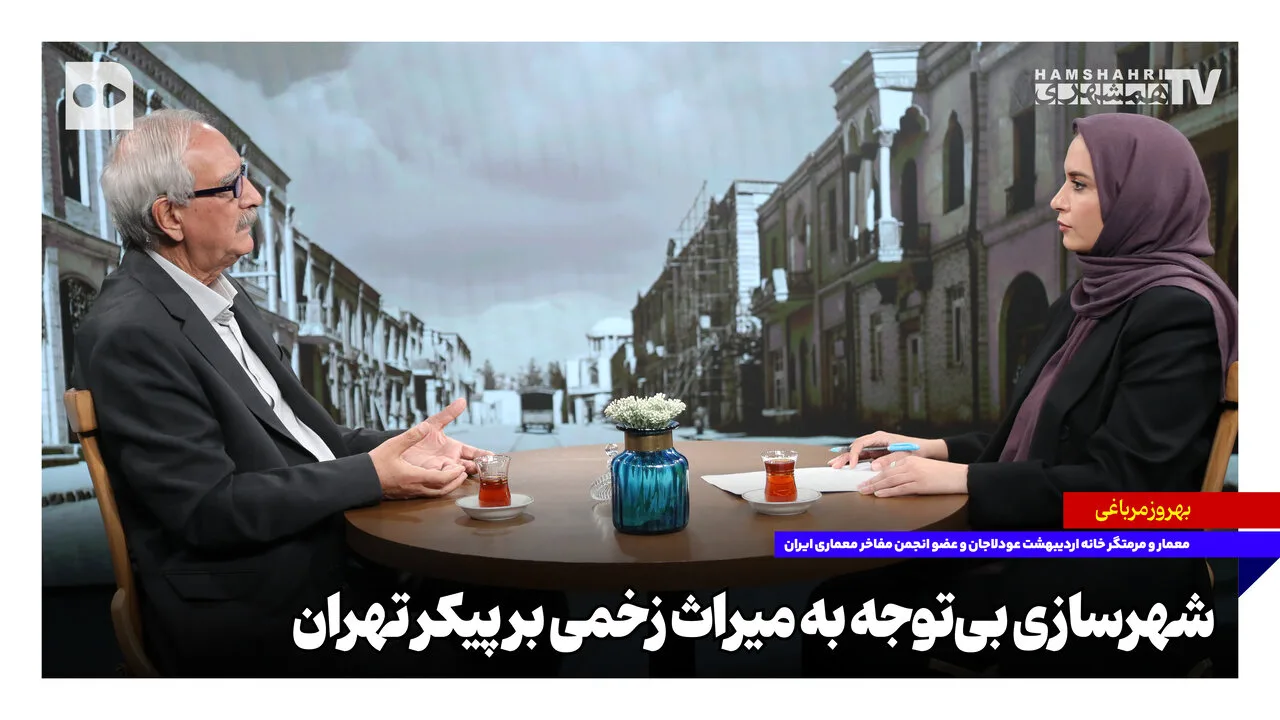
Behrouz Morabghi, architect and restorer of the Ordibehesht House in Oudlajan and a member of the Iranian Architectural Heritage Association, speaks with a precise and sensitive perspective on the current situation of Tehran, addressing the challenges facing cultural heritage in this metropolis. He points to the deep conflict between urban development and the preservation of cultural heritage, presenting this issue as one of the main reasons for the decline of Tehran's historical fabrics.
Urban Development and Cultural Heritage
Morabghi states that urban development should be carried out with consideration for cultural heritage, noting that sometimes these two areas come into direct conflict. According to him, in many cases, incorrect decision-making in urban planning not only leads to the destruction of historical fabrics but also impacts the cultural and social identity of the city.
Read more: The film 'Koچ' narrates the childhood and adolescence of Haj Qassem Soleimani
He emphasizes that many cities have managed to effectively balance urban development and cultural heritage preservation through a comprehensive and coordinated approach. He believes that Tehran needs a precise and participatory planning process that incorporates the opinions of architects, restorers, and civil society in decision-making.
Consequences of Neglecting Cultural Heritage
Morabghi, pointing to the destructive effects of neglecting cultural heritage, states: "When historical fabrics are destroyed, not only a building is lost, but a part of our history and identity is also obliterated." He argues that this issue can distance future generations from their cultural roots and ultimately lead to cultural isolation.
He also refers to the condition of the Ordibehesht House in Oudlajan and expresses concern that if the current trend continues, this building may suffer the same fate as other historical structures. Morabghi emphasizes that the preservation of this cultural heritage is not solely the government's responsibility but requires collective cooperation and participation. He invites the public and specialists to work towards preserving the cultural and historical identity of Tehran.
At the end of the interview, Behrouz Morabghi stresses that the future of Tehran hinges on the preservation of its cultural heritage, and this responsibility lies with all of us. He hopes that with a change in attitudes and approaches, it will be possible to move towards sustainable development aligned with culture.
Read more: Mushroom and cream soup; a delightful choice for rainy autumn days · Pigeon Towers of Flowerjan; from agricultural heritage to tourist attraction