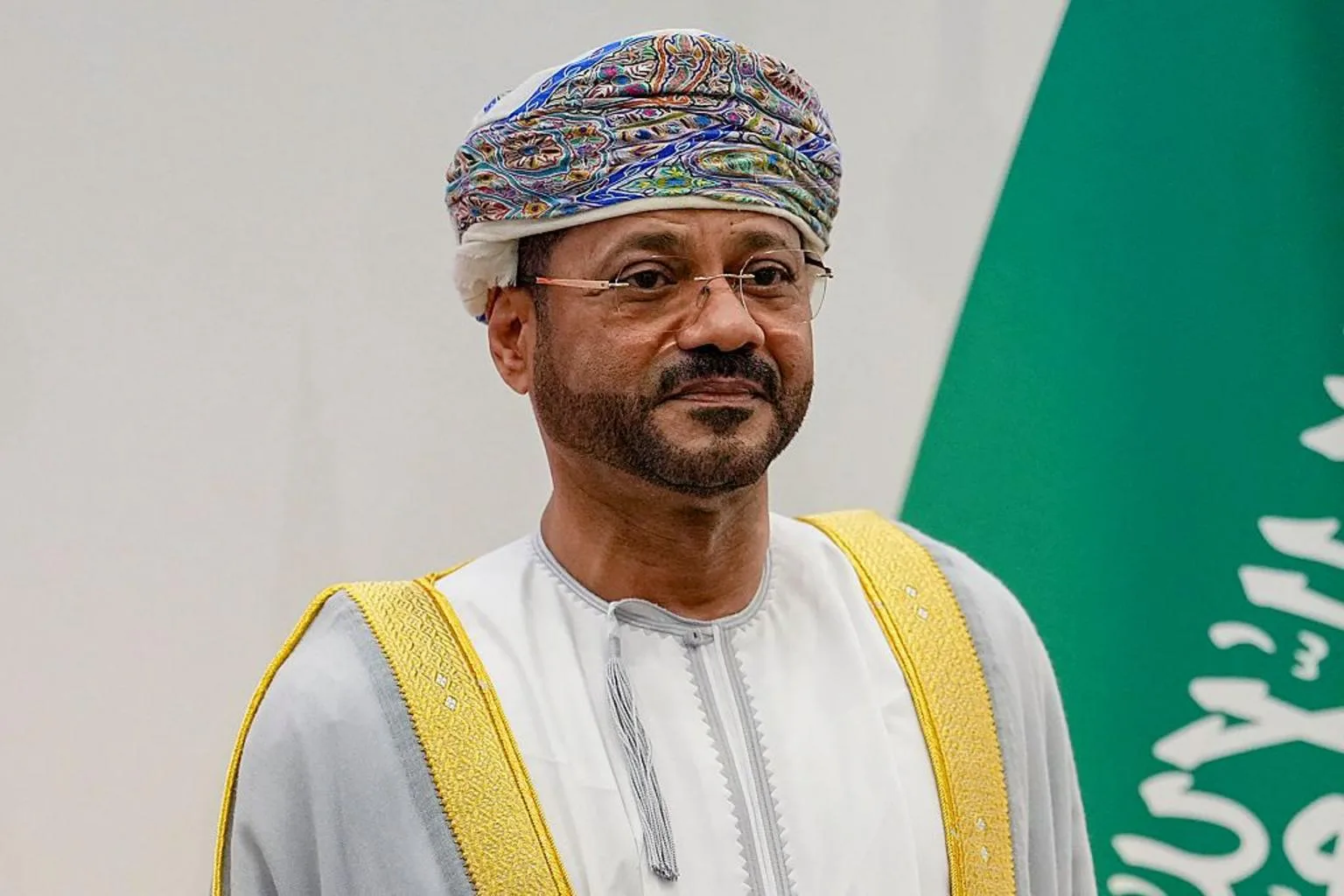
Badr al-Busaidi, the Foreign Minister of Oman, emphasized the necessity of reaching a consensus in announcing the postponement of the meeting between Iran and the Gulf Cooperation Council countries. This meeting, which was scheduled to take place on Monday in Salalah, Oman, has now been postponed to another time.
The purpose of the meeting and its importance
The previous meeting was intended to provide an opportunity for regional countries to discuss various issues, including security and economic matters. Al-Busaidi stated that Oman continues to seek to strengthen dialogues that can contribute to stability and sustainable cooperation in the region. This stance reflects Oman's efforts to play a mediating role in regional crises.
Read more: Pezeshkian: Negotiation with Trump is currently off the table
Iran's condition for participating in the meeting
Previously, Abbas Araghchi, Iran's Deputy Foreign Minister, confirmed his country's participation in this meeting but stated a condition for the reopening of the Strait of Hormuz. He announced that this condition relates to the return of the United States to its commitments under the Islamabad agreement. This stance highlights the importance of security and economic issues for Iran and its neighboring countries.
The postponement of this meeting may also signify further complexities in the relations between Iran and the Gulf Cooperation Council countries. While countries are striving to reduce tensions and create a suitable environment for cooperation, this postponement somewhat reflects the existing challenges in this path. Disagreements over key issues may hinder efforts to establish peace and cooperation.
On the other hand, Oman, as the host of this meeting, is pursuing active diplomacy and strengthening relations with neighboring countries. It seems that this country is trying to act as a bridge between Iran and other regional countries, thereby helping to reduce tensions and create a conducive atmosphere for dialogue.
Given the current conditions and the challenges in relations between Iran and its neighboring countries, holding this meeting and its outcomes could have significant impacts on future relations in the region. Therefore, paying attention to the conditions and developments of this session and its results is of special importance.
Read more: U.S. threats against the technological power of the Islamic Republic of Iran are worthless · Is the President of South Africa coming to Tehran? Raisi's controversial invitation!