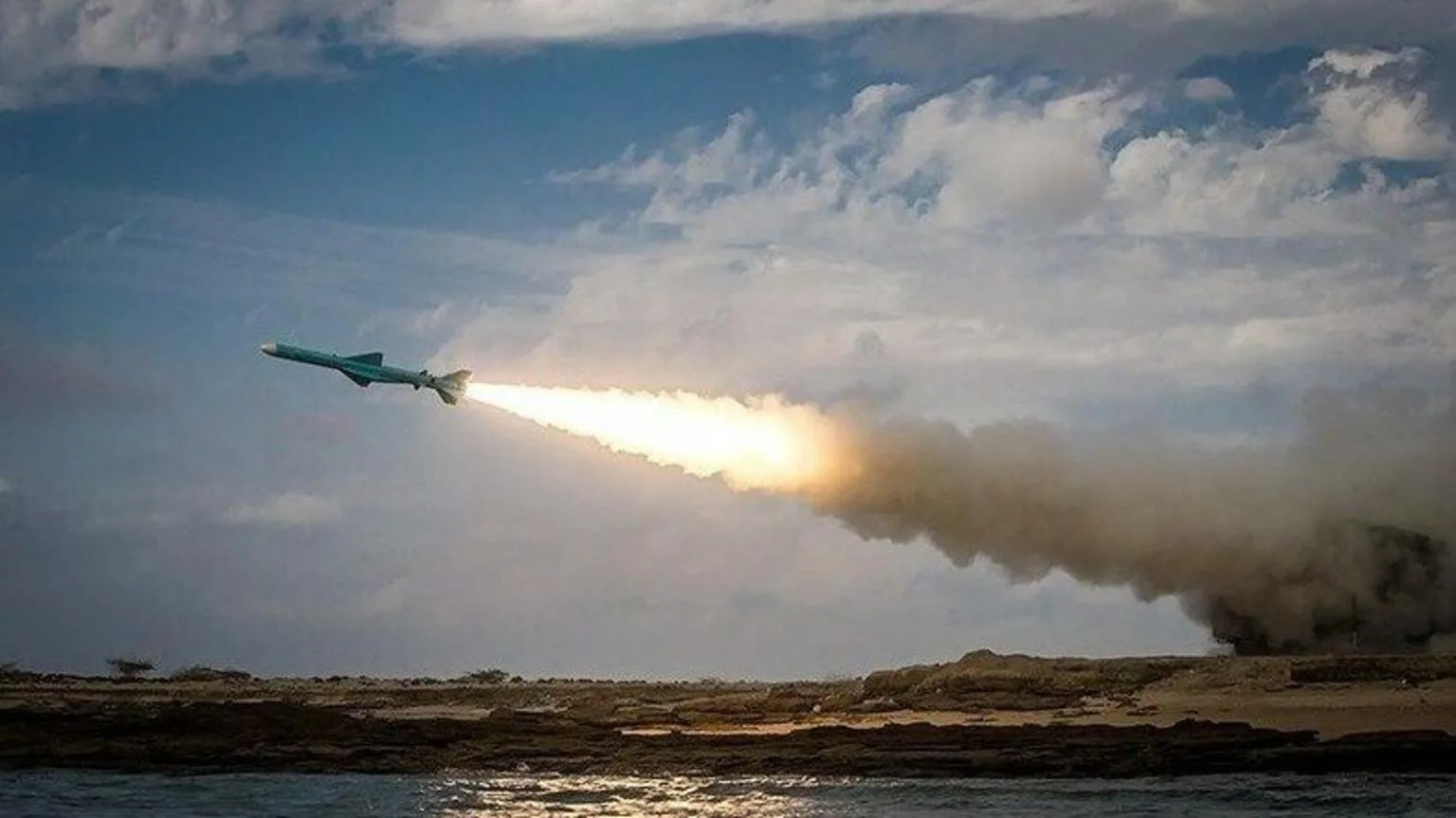
In recent days, the attack on three oil tankers during the funeral of Ali Khamenei has once again attracted significant attention. These attacks, which at first glance may seem like a spontaneous act and 'fire-at-will', have actually been deeper and more planned than they appear.
Analysis of the Dimensions of the Attacks
Initial investigations suggest that the decision-makers and executors of these attacks were somehow seeking to create a quick and impactful reaction. However, the main question is whether these reactions have led to the expected results? The attacks on the oil tankers may have initially been viewed as a symbolic act in line with the funeral of a high-ranking official, but in practice, they have had far more complex and difficult consequences than anticipated.
In today's world, any military action can have serious political and economic repercussions. Especially in a situation where tensions in the Persian Gulf have reached their peak and any movement could escalate into a major crisis. Therefore, the decision to attack the oil tankers should have been made with all these aspects in mind.
Unpredictable Outcomes
Analysts believe that the recent attacks may have weakened political positions rather than strengthening them. Given the economic and political instabilities in the region, these actions could lead to a tense atmosphere instead of creating fear and terror, ultimately harming national interests.
Ultimately, what is evident in these incidents is the need for a more intelligent and strategic approach to facing global and regional challenges. It seems that the continuation of such actions will not only fail to improve the situation but could also have irreparable consequences.