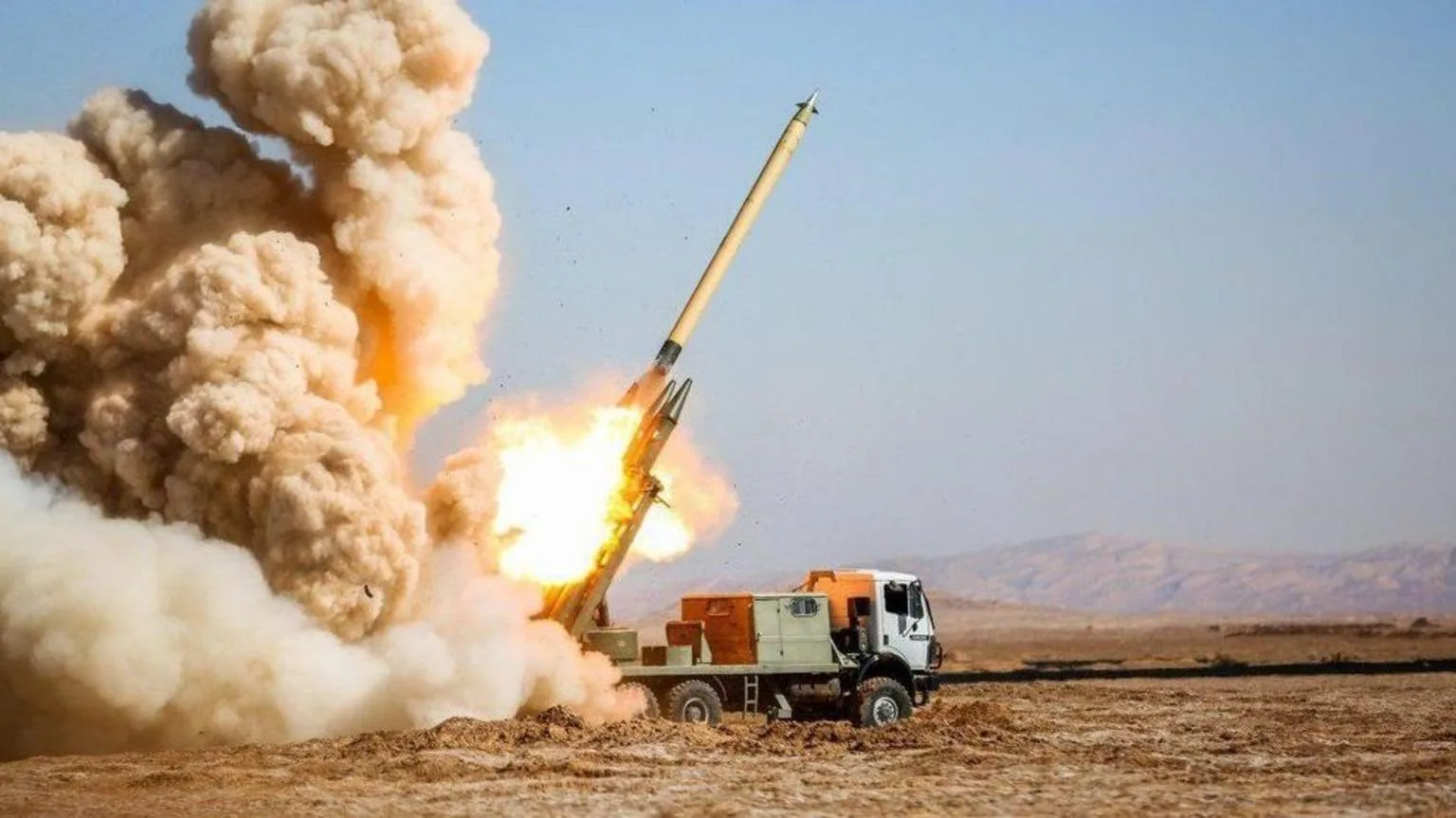
The attack on the Revolutionary Guard launchers on Lark Island, near the shipping routes of the Strait of Hormuz, marked a new phase of tensions between Iran and the United States. This attack, which took place on August 30 (September 8), was aimed at preventing the Revolutionary Guard forces from planning to fire rockets carrying naval mines towards the Strait of Hormuz, according to the United States Central Command (CENTCOM).
New Weapons and Strategies
Tim Hawkins, a spokesperson for CENTCOM, announced that the Revolutionary Guard forces were preparing to fire these rockets. According to him, these launchers were designed to transfer mines from land to sea without the need for mine-laying ships. This type of mine-laying, which had been showcased in previous exercises, was presented as a serious threat in direct confrontations between the two countries.
This attack occurred just two days after CENTCOM announced that the mines laid in the international shipping routes of the Strait of Hormuz had been cleared. This operation, which lasted four months, was conducted at night with the presence of U.S. Navy divers and the use of advanced equipment.
New Challenges and Risks
Scott Savitz, an expert at the Rand Corporation, pointed out the complexities of mine-laying, stating that creating a minefield requires significantly fewer resources compared to mine countermeasure operations. This can be done in a few hours, while clearing a route may take days or even weeks.
The background of this system dates back to the Revolutionary Guard's naval exercise "Great Prophet 19," which had released images of rocket launches and floating objects. Iranian domestic media reported on the new capabilities of these mines and the high speed of mine-laying, although technical details were not provided.
As these tensions continue, it becomes clear that Iran is trying to enhance its military capabilities using these new techniques and increase its deterrent power in the Strait of Hormuz. These developments could have widespread consequences for shipping and maritime security in the region.