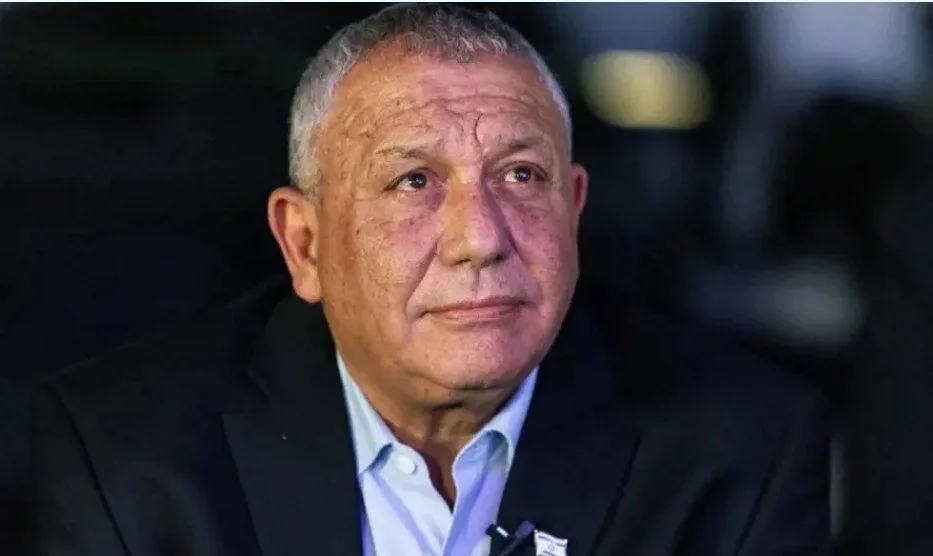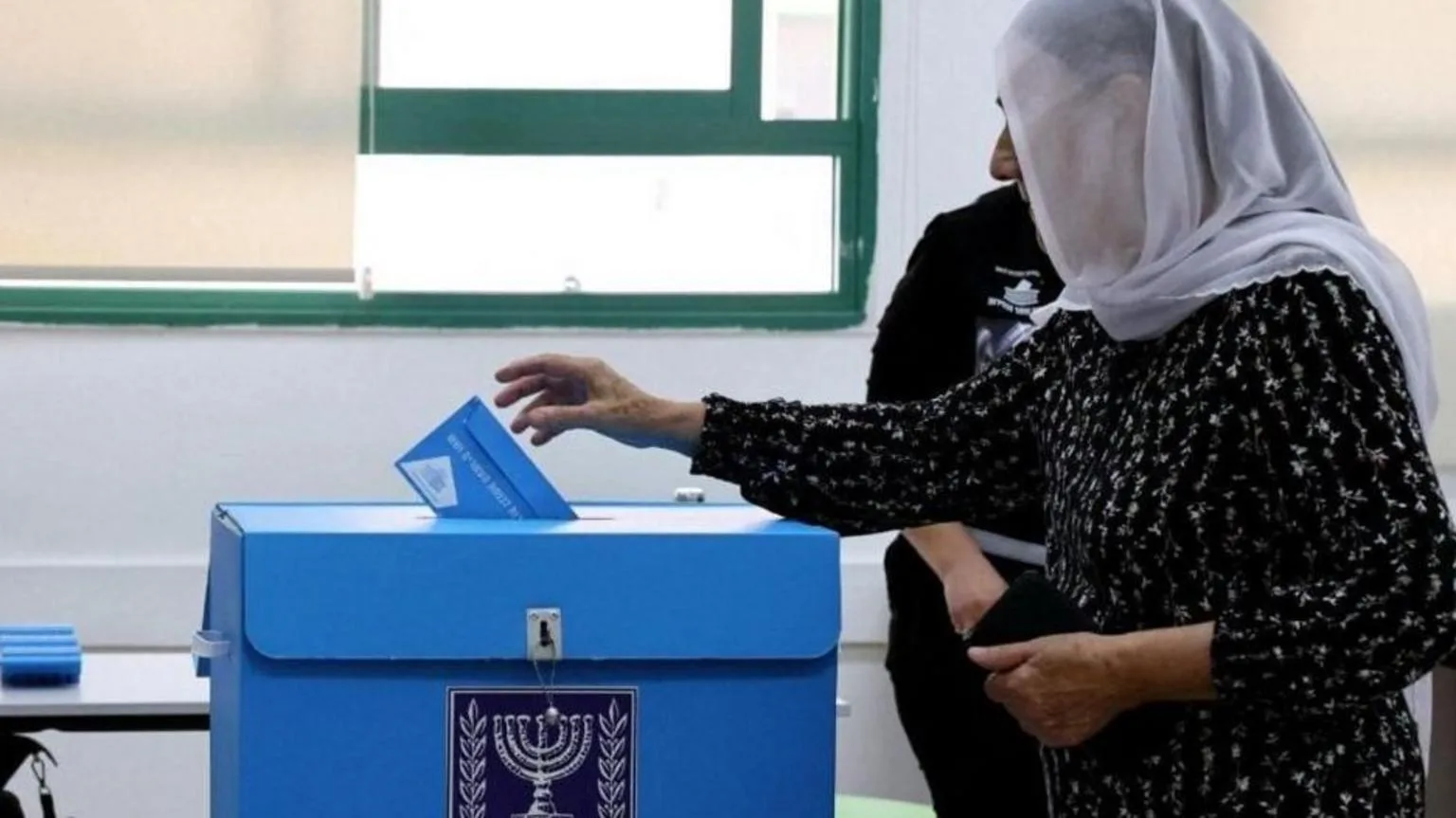
Arab parties and Palestinians in Israel have achieved an unprecedented participation in the recent elections, securing 19 seats in the Knesset, the Israeli parliament. This figure represents their remarkable success at a time when Benjamin Netanyahu's coalition is gaining 53 seats and the opposition coalition led by Gadi Eisenkot is facing 48 seats.
Unexpected Victories Among Arab Parties
While the counting of absentee ballots is still ongoing and results may change, it seems that Gadi Eisenkot's victory, the former head of the Israeli army, is becoming more distant by the moment. Benjamin Netanyahu, the veteran Prime Minister of Israel, has clearly performed better than expected, and his Likud party has become the largest single party. With 77% of voters participating at the polls, it was anticipated that the elections would lead to a deadlock.
Read more: Kaja Kallas: Convincing Europeans to Support Ukraine Has Become More Difficult
In Israel's fragmented political system, Netanyahu's main rival, Gadi Eisenkot, will face difficulties in achieving a parliamentary majority, especially without the support of parties led by the Arab minority in Israel. Despite most Jewish opposition parties committing during the election campaign not to cooperate with Arab parties, these parties can become decisive players.
Challenges and Opportunities for Arab Parties
Israeli Arabs, who make up one-fifth of the country's population, participated in the elections with unprecedented turnout. Many viewed this election as a pivotal opportunity to defeat the most right-wing government in Israel's history, accusing it of fueling racism and hate. Meanwhile, the high number of absentee ballots, primarily consisting of votes from Israeli soldiers, remains an important consideration in analyzing the results.
On the night after the voting, Benjamin Netanyahu and Gadi Eisenkot promised their supporters to form the next government. Netanyahu told his supporters that the right-wing bloc has a decisive majority and a national, strong, and right-wing government must be formed. In contrast, Eisenkot told members of the Yashar party that the people have voted for change, and he is committed to working with his partners to form a stable and beneficial government for all Israeli citizens.
This election was framed as a referendum on Netanyahu's leadership and the kind of country Israel should be. Over the past four years, the Prime Minister and his coalition partners have steered the country towards a more hardline religious and nationalist approach. However, many Israelis want their country to be increasingly based on liberal and secular values.
Currently, Israel's main parties are engaged in intense negotiations to form a new coalition government. However, the key question is whether members of the main opposition bloc, known as the 'Change Bloc', will be willing to break the taboo of political cooperation with Arab parties. Mansour Abbas, the leader of the Ra'am party, has stated that after past experiences of cooperation, he is now willing to join the next government.
Read more: Sergey Lavrov Arrived in Atlanta to Attend the G20 Meeting · Trump and Netanyahu in One Trench; Iran's Shadow Over Two Pivotal Elections