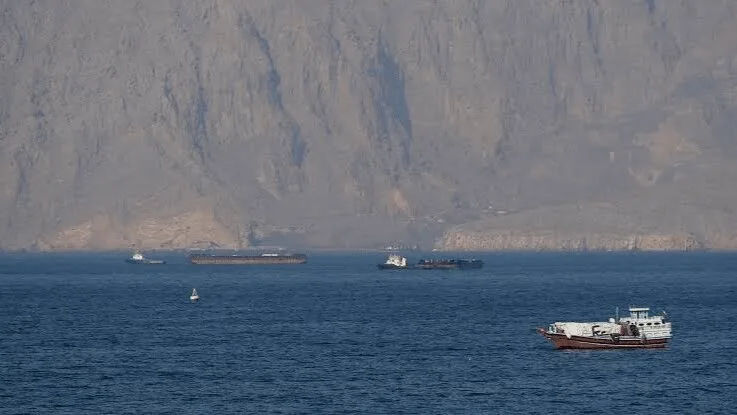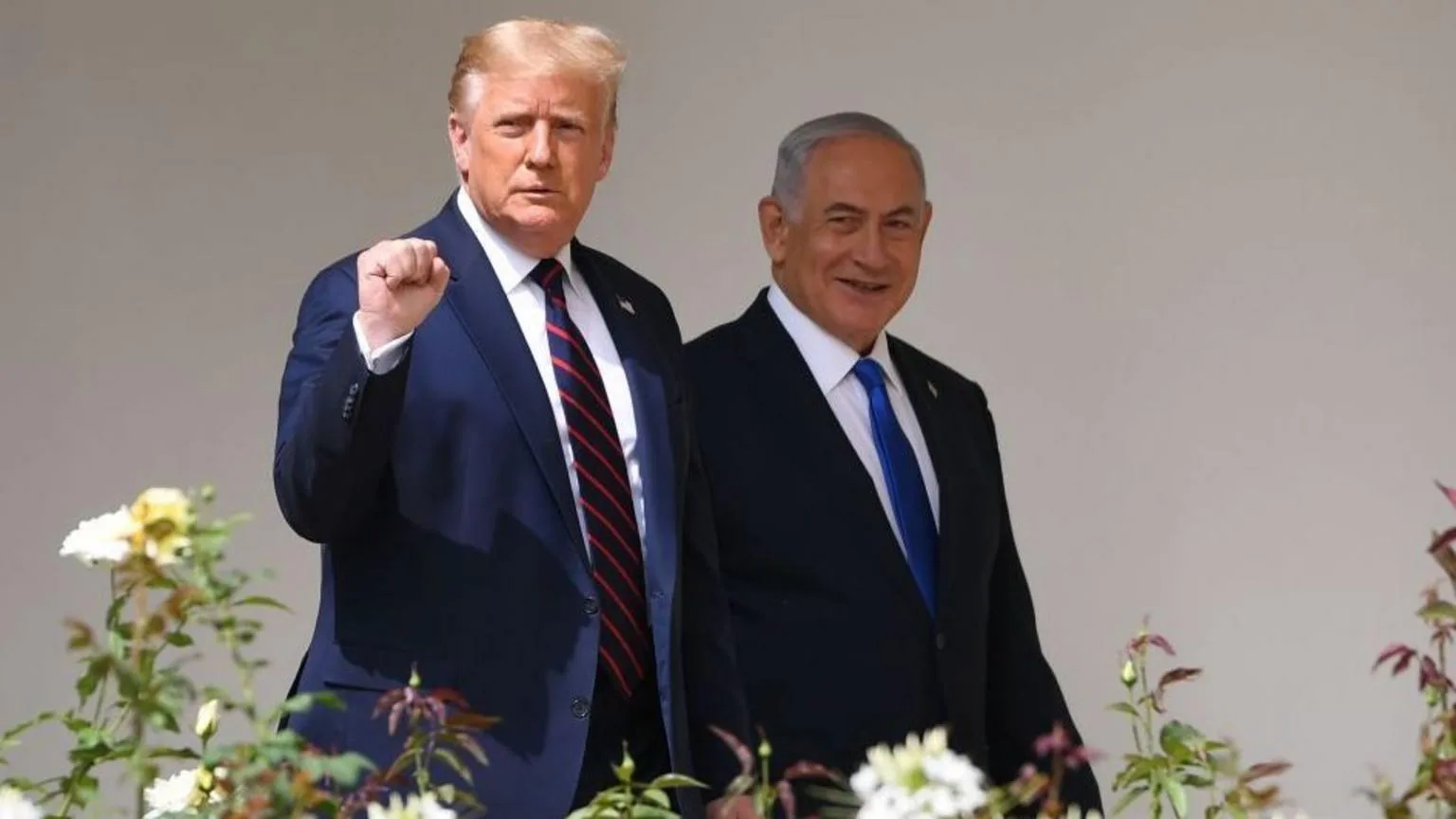
Donald Trump, the former President of the United States, has expressed support for Benjamin Netanyahu, the Prime Minister of Israel, on the eve of the midterm elections and the Israeli parliamentary elections. This support, announced just 9 days before the Israeli elections, has once again drawn media attention to the possibility of a resumption of military strikes against Iran.
Military Talks and Troop Readiness
Trump, who in recent months had refrained from openly supporting Netanyahu due to their disagreements over the war in Gaza, is now referring to Netanyahu as one of his main allies in the fight against Iran. This shift in position comes as reports emerge of a phone conversation between the two officials regarding the potential start of a new round of military operations against Iran. Netanyahu has pointed to information from Israeli security agencies and has spoken about Iran's efforts to rebuild its nuclear program.
Read more: Donald Trump: Join the French Revolution and Spend $5,000
However, the White House quickly denied this report, stating that Trump does not intend to launch an attack on Iran before the midterm elections. Nevertheless, American and Israeli officials have emphasized that the forces of both countries are on standby for any new conflict. Experts believe that after the U.S. elections, the likelihood of resorting to military options against Iran will increase.
Economic Consequences of War on Elections
The war in Iran and Trump's trade tariffs have created significant dissatisfaction among farmers and ranchers in the U.S., a group that has always been loyal supporters of Trump, who are now criticizing the government's economic policies. This discontent, especially on the eve of the midterm elections, has raised Democrats' hopes of competing in states that have been under Republican control for years.
Rising production costs and diesel prices have put immense pressure on farmers, and it is predicted that the net income of this sector will decrease by about 2.6% this year compared to 2025. The American Farm Bureau Federation has also predicted that producers of most agricultural products will face losses by 2027. In this context, some Republican candidates have also begun to distance themselves from the government's positions on war and economic policies.
Tim Kaine, the Democratic Senator from Virginia, criticized the war in Iran, calling it a "selective war" and stated that American families are paying the price for its consequences. He also criticized Trump's decision to exempt Russia from some sanctions and called for accountability from the government regarding the costs of the war.
It seems that Republicans are heavily burdened by concerns about the potential non-participation of some of Trump's traditional supporters in the elections, especially in states where the electoral races are very close. In states like Kansas and Iowa, support for Republican candidates has clearly decreased, and this situation could change the outcome of the elections.
Read more: Iraqi: The People of France Demand Fundamental Changes · Trump Administration Seeks to Reduce Oil Sanctions on Iran and Other Countries