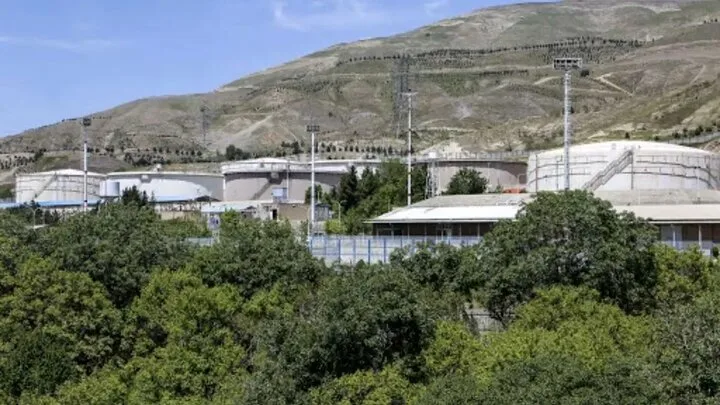
In the 431st session of the Islamic Council of Tehran, a controversial step was taken. A bill titled identifying a suitable location for the establishment of oil reservoirs in Tehran was quickly approved with maximum votes in favor. This decision will not only bring environmental and security concerns but will also affect the economic and welfare fate of the capital.
Consequences of the New Bill
The approval of this bill comes at a time when Tehran is grappling with serious issues including air pollution and traffic. Establishing oil reservoirs in this metropolis could increase environmental risks and also lead to unfortunate incidents. Many experts believe that this action could exacerbate environmental crises in the capital and negatively impact the health of citizens.
On the other hand, some members of the Tehran City Council believe that this bill could improve energy infrastructure in the capital and facilitate access to the necessary fuel. But can these justifications cover the potential risks?
Reactions to the New Decision
Reactions to this bill among the public and environmental activists have been strongly negative. Many citizens are concerned about the negative impacts of this decision on their quality of life. Additionally, environmental activists warn that this action could have irreparable consequences on Tehran's ecosystem in the long run.
As the repercussions of this decision are still unclear, the Tehran City Council must pay attention to the fact that its decisions will not only affect the future of the country's energy but also impact the daily lives of the people. Ultimately, it remains to be seen whether this bill can meet Tehran's energy needs or will only add to the existing problems.