Amir Mohammad Kalateh, an expert and researcher in artificial intelligence, has addressed the new challenges that artificial intelligence poses for content creation. He believes that on social media, videos and designs, despite differences in faces and products, use similar patterns. This issue seems to have increased content, but at the same time, it has not added anything new to it.
The Danger of Simulating Brand Identities
Kalateh explains that the main issue is not the technology itself, but rather how it is used. AI tools can transform image and video production, but the problem arises when the tool takes the place of the idea. According to him, if a brand's logo is removed and a video or design is attributed to dozens of other brands, that content likely still lacks a distinct signature.
Read more: Rasoul Rezvani, Iranian Entrepreneur Creator of 'Country 196' in Global Spotlight
Positive Applications of AI in Pre-Production
Kalateh believes that one of the most valuable applications of artificial intelligence is in the pre-production stage of content. This technology can visualize an idea before incurring high costs, create storyboards, and test different narratives. In this context, AI provides more time for humans to think instead of eliminating creativity.
However, Kalateh emphasizes that visual beauty alone does not give an artwork its identity. AI lacks human lived experience and cannot recognize details of everyday life that are worth narrating. These details are what give content its identity and are not simply created by putting together repetitive patterns.
The Danger of Producing Repetitive Content
The issue is not limited to image and video production. Many content creators today entrust the topic, scenario, dialogue, jokes, and even endings to artificial intelligence. Kalateh states that if the questions are similar and the tool responds based on past repetitive patterns, it is natural that the outputs will also be close to each other.
From Kalateh's perspective, the main danger of these repetitive formats is not just boring the audience, but the misconception that 'making' is the same as 'creating.' Making a video in a few minutes is a skill, but creating means having a perspective and responsibility for what we publish.
The Difference in the Quality of Content Creators' Perspectives
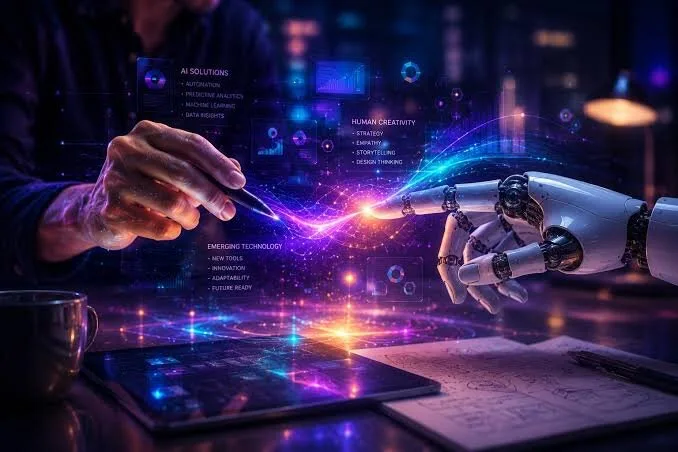
Kalateh points out that in the future, the main difference among content creators will not be access to AI tools, but rather the quality of their perspectives. Humans must identify the issue, understand the audience, and decide on the tone and form of the work. AI can be a powerful partner in this journey, but it should not replace creativity.
Ultimately, the choice, meaning, and signature of the work must remain human. In an era where creating content has become easier than ever, the most important skill may no longer be 'how to create,' but rather knowing what is worth creating.
Read more: Chinese Hackers Attempt to Steal Emails of AI Experts by Impersonating Former U.S. Officials · Changing the Course of Iran's Economy in the Age of Artificial Intelligence by Modernizing Economic Structures