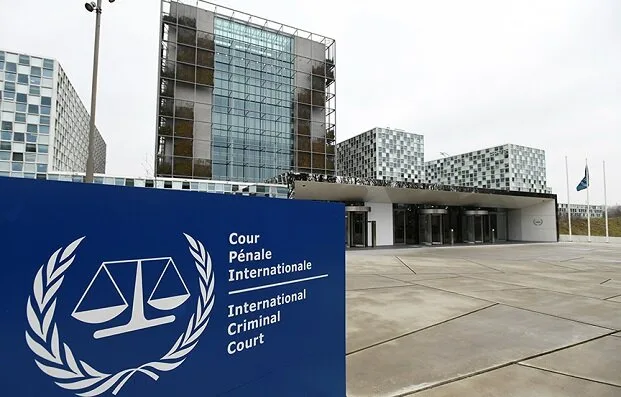
On Friday, America entered the global diplomatic arena by issuing new sanctions against the International Criminal Court (ICC). This decision was made just hours after one of the court's former judges received the Nobel Peace Prize. This action by the Trump administration not only affected the United States' relations with the International Criminal Court but also heightened tensions with European allies.
Background of the International Criminal Court
The International Criminal Court was established in 2002 to prosecute war crimes, crimes against humanity, and genocide. This institution operates as an independent international entity, aiming to deliver justice for victims of serious crimes. However, the United States has never joined this court for various reasons, including concerns about national sovereignty.
Read more: Steve Witkoff and Jared Kushner's negotiations with representatives of Ukraine and NATO for peace
Sanctions and Their Consequences
The new sanctions include financial and travel restrictions for individuals and entities associated with the International Criminal Court. These sanctions specifically target individuals involved in the court's investigations or trials. This action clearly reflects the Trump administration's view of this institution and its activities.
The imposition of sanctions came after one of the former judges of the International Criminal Court, "Fatou Bensouda," was announced as the Nobel Peace Prize winner. This award was given for her efforts to promote justice and human rights globally, but it was perceived by the U.S. as an attempt to undermine the credibility of the International Criminal Court.
Reactions to these sanctions were immediate and widespread. Many analysts believe that this action could weaken the international legal system and global efforts to prosecute war crimes. Additionally, these sanctions eliminate opportunities to strengthen international cooperation in this area.
The Trump administration has also stated that these sanctions will not harm the activities of the International Criminal Court in any way and that the aim is to support national sovereignty and defend U.S. interests. However, this position has been seriously criticized, and many see it as a sign of America's isolationism.
These sanctions could also impact the United States' relations with European countries and other nations that have joined the International Criminal Court. In fact, this action could lead to a new diplomatic crisis in which the U.S. and its allies are divided into two fronts over human rights and international justice issues.
However, these sanctions are only part of the broader policies of the Trump administration towards international institutions, which seem to be shaped by a hostile approach to global cooperation. In this context, human rights activists and international organizations have strongly reacted to these sanctions and called for a review of U.S. policies.
Overall, the new U.S. sanctions against the International Criminal Court not only exacerbate challenges to international law but could also have serious consequences for global security and justice.
Read more: Navi Pillay Wins the Nobel Peace Prize 2026 · Likelihood of U.S. Military Attacks on Iran and Israel's Role in the War