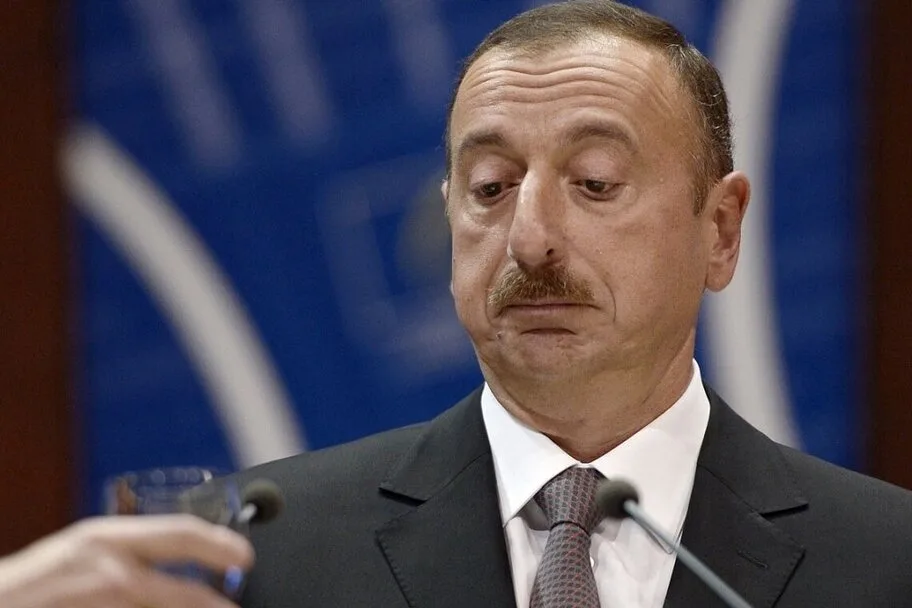
Aliyev, the President of Azerbaijan, has taken a controversial step by deciding to limit hijab in the schools of the country. Despite the fact that 96% of the population of Azerbaijan is Muslim, this decision reflects the government's efforts to bring about cultural and social changes among the younger generation. In recent years, the country has undergone many cultural and political changes, and this action is considered part of those changes.
Cultural and Social Context
Azerbaijan is a country with a rich Islamic history and culture. Although the majority of the people in this country believe in Islam, the Azerbaijani society is generally seeking modernity and democracy. This government decision has faced various criticisms and protests from different segments of society. Many families are concerned that these restrictions may harm their children's religious and cultural identity.
Read more: Conflicts in Yemen and Saudi Arabia's Security Challenges in 2026
Reactions and Consequences
Following the announcement of this decision, various reactions emerged from human rights activists, academics, and religious leaders in Azerbaijan, as well as internationally. Many critics consider this action a violation of human rights and individual freedoms. Others believe that this decision could lead to increased tensions in society and create deeper cultural divides. This issue has sparked heated discussions in the media and social networks.
In response to the criticisms, Aliyev stated that the aim of this decision is to create a healthy and non-religious educational environment for the younger generation. However, many critics believe that individual rights and choices should be respected, and restrictions should not undermine people's religious and cultural identities.
Nevertheless, this decision is only part of a broader trend in Azerbaijan, where the government seeks greater control over various aspects of people's social and cultural lives. In recent years, we have seen the government implement measures such as restrictions on political and media freedoms. As a result, this decision falls within a larger strategy to control society and prevent the emergence of any social discontent.
Ultimately, the future of this law and its effects on Azerbaijani society, especially among the youth, will remain a controversial and debated topic. This decision could have significant implications for Azerbaijan's international relations, particularly with neighboring countries and other Islamic communities. It remains to be seen whether the Aliyev government will be able to guide its society towards modernity with these decisions or, conversely, increase discontent and social tensions.
Read more: Larinconada; a city at an altitude of 5100 meters with its own unique football field · Continuation of the