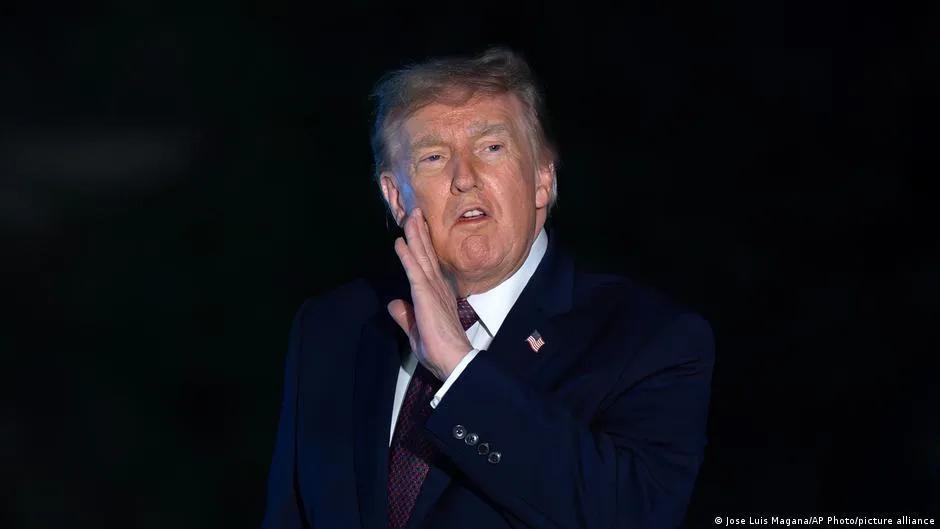
Ali Mohammadi, the political deputy of the Navy of the Islamic Revolutionary Guard Corps, rejected Donald Trump's recent statements regarding U.S. control over the Strait of Hormuz and the free passage of oil tankers, deeming these claims "contrary to the realities on the ground and inconsistent with the reactions of global oil markets."
Emphasis on Ground Realities
Mohammadi, referring to Trump's statements about the daily passage of 5 to 8 million barrels of oil through this strategic waterway, said: "If the U.S. President's words are true, he must clarify which route and which strait these ships have passed through. The reaction of the oil markets indicates that Washington's claims do not align with the realities in the field."
Read more: Rain and Moderate Traffic on Northern Routes to Tehran
Threat of Accountability
The political deputy of the Navy also questioned the U.S. fleet's dominance in the region, adding: "If the U.S. claims to have destroyed the Iranian Navy and to control the region, why has it stationed its military forces 600 to 700 kilometers away and does not approach the Strait of Hormuz and the Sea of Oman?" He emphasized that all movements in the Persian Gulf and the Strait of Hormuz are monitored by the IRGC's indigenous and multi-layered systems, threatening that any violating vessel that passes without adhering to Iran's stipulated arrangements will face a response.
Furthermore, Ismail Baqaei, the spokesperson for the Iranian Ministry of Foreign Affairs, emphasized Tehran's conditions for ending the war, stating: "Iran's considerations for ending the imposed war on all fronts and restoring security to the Persian Gulf and the Strait of Hormuz have been clearly articulated, and responses to the proposals of the opposing side will also be provided through mediators."
The situation in the Strait of Hormuz and the Persian Gulf has recently been marked by an increase in attacks on oil tankers and vessels carrying liquefied natural gas (LNG) and liquefied petroleum gas (LPG). These attacks have coincided with Gulf producers' efforts to increase oil exports, reaching their highest levels since the beginning of the Iran war.
In one of the recent incidents, the Indian Ministry of Foreign Affairs reported that following an unknown projectile hitting the Panama-flagged oil tanker "On Peace," 12 crew members of the vessel were injured. Additionally, Saudi officials reported casualties among several individuals due to missile attacks by Iran-backed Houthis.
Read more: The Epic Presence of Iranian Women in the Crucial Fields of the Revolution · Baqaei: Iran-Pakistan Relations Are Based on Deep Historical Commonalities