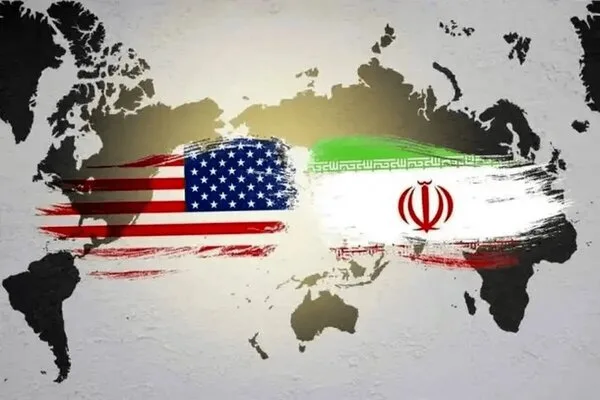
Ali Al-Zaydi, the Prime Minister of Iraq, has become aware of the possibility of a U.S. military attack on Iran in the coming days. This news was published by a Kurdish-language network and comes at a time when Washington has sent messages to Baghdad warning against the involvement of Iraqi Islamic resistance in any future confrontation.
U.S. Warnings and Baghdad's Response
In these messages, the United States has stated that the intervention of Iraqi resistance groups could have severe consequences for the political system and stability of the Iraqi government. In response to these warnings, Baghdad has emphasized that it will firmly respond to any intervention based on the law.
Read more: Sudan's Sovereign Council Chairman Wrote to Trump About the Ceasefire
Diplomatic Changes and New Missions
In another development, Steven Fagin has been appointed as the head of the U.S. diplomatic mission in Baghdad as Chargé d'Affaires. Previously, Elizabeth Trudeau and Daniel Rubinstein held this position. Changes in the diplomatic staff have gained significant importance, especially given the speculations about the onset of a new regional war in the Persian Gulf.
Observers have proposed three hypotheses regarding the reasons for this change. Some believe that the previous chargé was unsuccessful in engaging with Iraqi political leaders and had a completely different approach. Additionally, some think that Fagin has come to Baghdad with a special mission to increase pressure on Iran. He previously managed the Iran desk at the U.S. State Department and may aim to adjust the level of relations between Iraq and Tehran.
The third hypothesis refers to Fagin's background in Iraq and his familiarity with the Hashd al-Shaabi file. At a time when the disarmament of Iraqi resistance groups is at the center of negotiations, Fagin's introduction as the new chargé indicates his role in advancing these negotiations.
These developments occur as violations of Iraqi airspace by U.S. fighter jets and drones continue. According to statistics from the Kata'ib Hezbollah, from October 17 to 22, 2026, the number of U.S. military flights has reached 55. These flights are conducted from U.S. bases in Jordan and the occupied territories and are monitored over various regions of Iraq.
Read more: Siyavash Ardalan: Iran Influences Oil Equations Ahead of Elections · Mawlawi Abdolhamid: Flexibility is Needed to Solve Economic Problems Between Iran and the U.S.