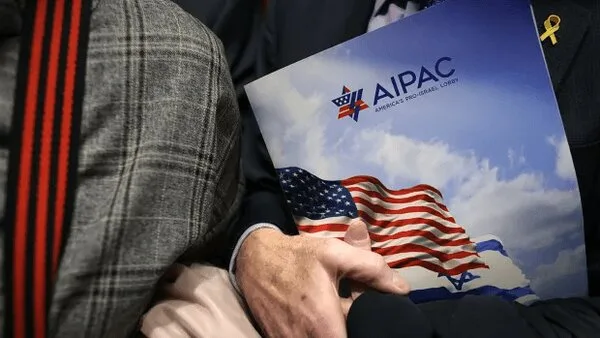
AIPAC (American-Israeli Political Action Committee) has recently made a serious and significant decision to cut direct financial contributions to U.S. election candidates. This action could have considerable effects on the electoral process in the United States and has attracted the attention of many analysts and political activists.
Background of the Decision
AIPAC, known as one of the largest pro-Israel lobbyists in the United States, has always played an important role in supporting election candidates. This decision was made following political changes and developments in the United States as well as globally. Cutting this type of financial support could directly impact electoral competitions and create a new political landscape.
Read more: Protests in Europe; From Street Clashes to New Security Measures
Consequences of Cutting Support
With the cessation of AIPAC's financial contributions, election candidates may face new challenges. This action could lead to a reduction in AIPAC's influence on U.S. policymaking and also affect candidates' electoral strategies. Many analysts believe that this decision could increase candidates' autonomy and change their political approaches.
Additionally, this decision may create rifts in relationships between candidates and other lobbies. While some candidates may welcome this change, others may be in search of new financial resources to continue their campaigns.
The halt of AIPAC's contributions could be seen as a wake-up call for some candidates, as financial support from this entity means securing necessary resources for electoral campaigns. This decision could particularly negatively impact Republican candidates who typically benefit from AIPAC's support.
Future Outlook
The political future of U.S. elections will be influenced by this decision. Some candidates may turn to attract financial support from other sources, which could lead to significant changes in how campaigns are financed. At the same time, this event indicates deeper changes in U.S. policymaking and international relations that need to be seriously examined in the near future.
Ultimately, the cessation of AIPAC's financial contributions to U.S. election candidates is not only viewed as a strategic move but could also be seen as a sign of changing attitudes and political approaches in the United States and globally. It seems that this decision, especially in the current context where electoral competitions are intensifying, will have profound effects.
Read more: The Kindness of a Protester to Riot Police in France · Iran's War is a Priority for American Voters