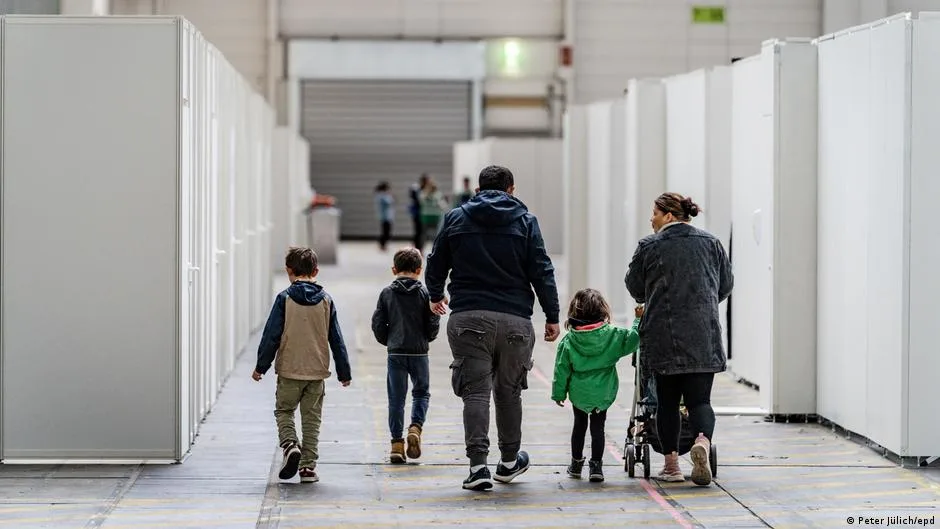
Abdulaziz Hesso, a Syrian refugee, is just one of thousands facing a major challenge in Germany. He arrived in Germany in 2022 with his six-year-old daughter. His daughter, who was born deaf in Syria, required care and surgery due to an illness and is now receiving treatment in Germany, allowing her to hear and study in a school for hearing-impaired children. However, her mother and two other sons remain in Syria, and this separation weighs heavily on Hesso and his family emotionally and psychologically.
The Suspension of the Law that Separates Families
Criticism in Germany regarding the suspension of the family reunification law for individuals with "subsidiary protection" has increased. This suspension, which has been in effect for over a year, is set to continue until the summer of 2027 according to current law. During this period, many families of individuals residing in Germany have lost the opportunity to use the usual pathway to reunite with their family members.
Read more: India's Ministry of External Affairs warns about new tariffs on Russian oil to the US
Subsidiary protection in the German asylum system is a type of international protection that differs from full asylum. An individual with subsidiary protection is granted residency in Germany, but their rights in certain areas are more limited than those of a person recognized as a refugee.
Human and Social Impacts of the Suspension
According to reports, the German parliament passed a proposal last June that suspends family reunification for individuals with limited asylum rights for two years. This group of refugees has primarily been Syrian citizens who fled the war and sought refuge in Germany. Currently, only regulations regarding "emergency and special cases" remain, which have not effectively replaced the normal pathway for family reunification.
David Schiffer, a researcher at the German Center for Integration and Migration Research, doubts that preventing family reunification can actually stop further migration to Germany. He believes that this policy not only does not necessarily prevent more individuals from entering but may also prolong the integration process into society.
Read more: Donald Trump will meet with leaders of Arab Gulf countries next week · Awarding of first-class artistic certificate to Alireza Davoodnejad on Cinema Day