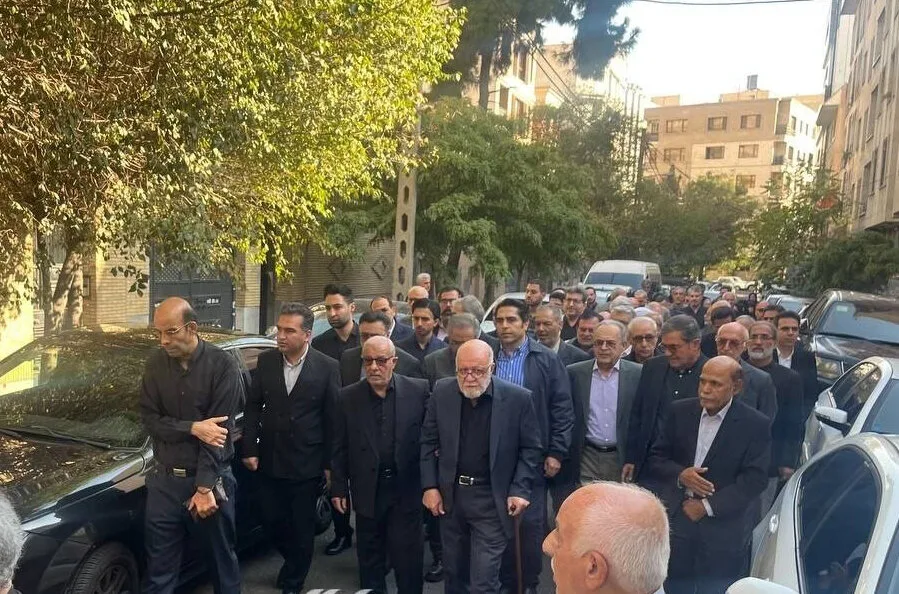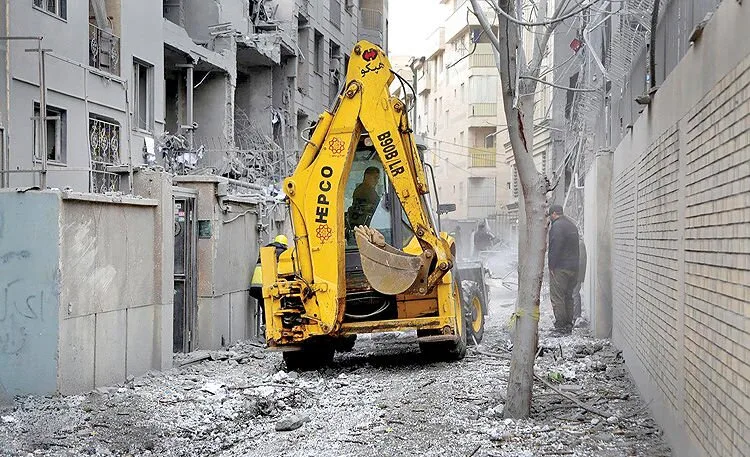
Mehdi Babaei, a member of Tehran's City Council, announced a 96% progress in the reconstruction of damaged residential units in Tehran and referred to the details related to these efforts. Considering the damages caused by the 40-day war, the Tehran municipality has fulfilled its responsibilities in this area and has been able to shoulder part of the government's burden.
The Role of the Municipality in the Reconstruction of Damaged Units
Babaei explained that although the reconstruction of damaged residential homes after the war is the responsibility of the government and the Housing Foundation, the Tehran municipality decided to enter this field due to the special circumstances and the high number of damaged units. In total, 51,724 residential units in Tehran were damaged, which the municipality has been working to reconstruct.
Read more: Iran's Ambassador to Georgia: Our civilization does not need to shout to prove itself
In the section of units with minor damage, 40,100 units have been identified, with their reconstruction having achieved 98% physical progress so far. Additionally, 9,085 residential units have suffered moderate damage, with their reconstruction reaching about 96%. Meanwhile, 404 units require structural reinforcement and major repairs, with about 35% progress made in this area.
Financial Assistance and Household Organization
The head of the Safety Committee of the City Council also referred to the payment of allowances to citizens. He stated, "The Tehran municipality has provided allowances to affected households, which, although it does not cover all damages, has helped alleviate their problems." So far, 2,396 payments of up to 100 million tomans, 1,182 payments of up to 200 million tomans, and 1,689 payments of up to 400 million tomans have been made.
Babaei also noted that households that have been temporarily accommodated in hotels have been nearly organized, and no specific problems have been observed in this regard. For these households, 1,878 cases of housing deposits and rent have been paid for up to two years.
He further mentioned the municipality's entry into the market regulation and provision of essential goods, stating, "The municipality is currently entering a new responsibility in this area and is striving to achieve positive results in the next six months."
Babaei also pointed out that the municipality's entry into these areas should be done within the framework of the law and in coordination with the government and parliament. He emphasized that these actions could pave the way for granting more powers to urban management and help improve the quality of services to citizens.
Finally, Babaei said, "Urban management has become more responsible and is trying to help solve people's problems alongside the government. These actions can contribute to moving towards local governments and strengthening urban management across the country."
Read more: Kazem Gharibabadi: Iran is present in the diplomatic field with authority · Tehran Municipality's efforts to improve school infrastructure by paving a thousand schools