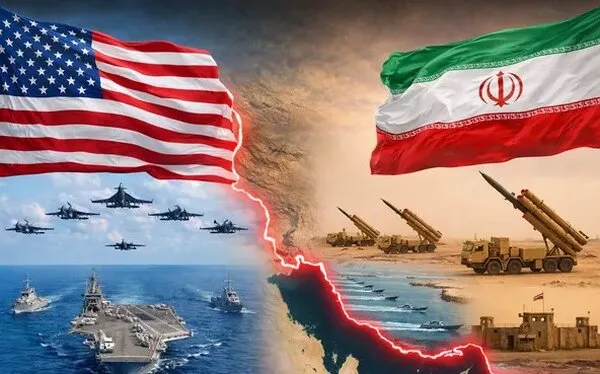
William McRaven, retired four-star admiral of the U.S. Navy and former commander of the U.S. Special Operations Command, analyzed the situation of the war with Iran in an interview, referring to it as a "classic military stalemate." He believes that in such a situation, both sides can continue their attacks, but it is unclear whether these attacks can change the ultimate outcome of the war.
Challenges of Military and Political Objectives
McRaven, who played a role in significant operations such as the capture of Saddam Hussein and the killing of Osama bin Laden, stated that the war with Iran is an example of a long-standing error in U.S. foreign policy. The notion that military superiority alone can achieve political objectives has clearly failed in this war. He pointed out that attacking Iran's infrastructure, such as bridges and power plants, can no longer be effective on its own.
Read more: Military Chiefs of Staff of the Cooperation Council Emphasize Strengthening Military Cooperation
This retired admiral emphasized that although the U.S. may resume its attacks after the midterm elections, it is unlikely that these actions will fundamentally change the outcome of the war. McRaven criticized the frequent changes in the stated objectives of the Trump administration throughout this war, saying that these changes create confusion in understanding the true goals.
Military Costs and Global Consequences
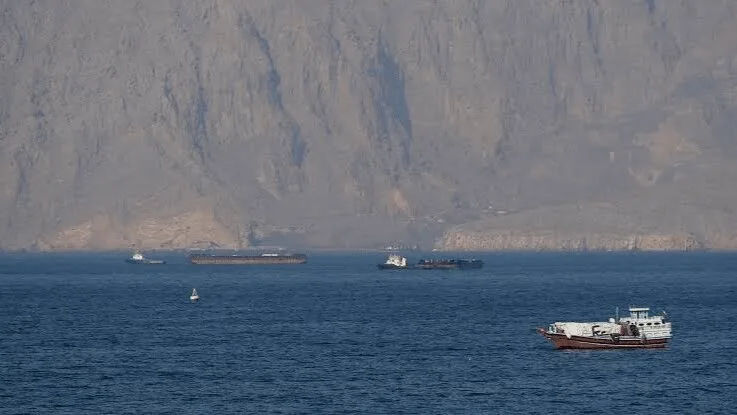
He pointed to the difficulties of reopening the Strait of Hormuz, stating that Iran has options such as using naval mines to disrupt maritime traffic, and clearing these mines could take weeks or even months. McRaven also noted that the U.S. capability to counter naval mines has diminished. He believes that mine-clearing operations will carry significant costs and risks for U.S. forces, and conducting them does not guarantee that the maritime route will be fully opened.
This assessment is part of the same stalemate that McRaven describes; meaning that while the U.S. is capable of conducting more military operations, the costs and difficulties of executing these operations do not necessarily lead to achieving a desirable political outcome. He warned that the resumption of U.S. attacks may provoke a response from Iran, which could also involve Washington's Arab allies.
McRaven also referred to the role of regional resistance groups, stating that Ansar Allah in Yemen may pay attention to Iran's positions and could play an active role if the U.S. attacks Iran again. He believes that the likelihood of other regional fronts becoming active increases the cost of continuing the war for the U.S. and makes resolving the issue with Iran through military power more difficult.
In conclusion, McRaven emphasized that despite having the most powerful military in the world, the U.S. cannot simply achieve victory in all wars due to military superiority. He pointed to the difficulty of forming an international coalition for war and stated that doubts about the necessity of starting the war and its declared objectives have not helped in garnering international support.
Read more: Watch the Horrific Moments of the 7.7 Magnitude Earthquake in Panama · Reviewing a One Trillion Dollar Defense of Gulf Countries in the Shadow of the U.S.-Iran War