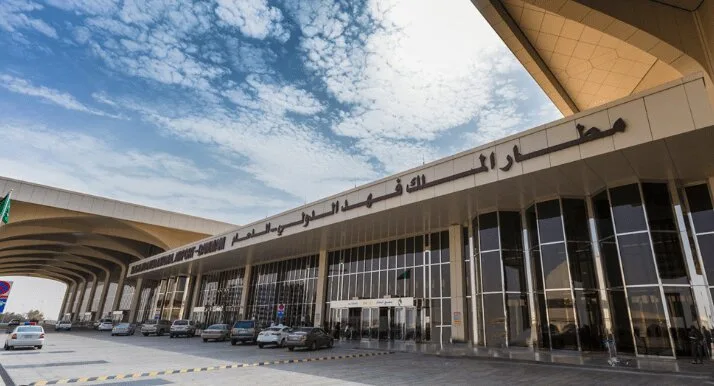
The disruption in the air transport network of Saudi Arabia continues, and King Fahd Airport in Dammam, the third largest airport in the country, has faced delays and diversions of some flights in recent hours. These issues stem from security threats and attacks on Saudi Arabia's air infrastructure, creating difficult conditions for travelers and airlines.
Security Impacts on the Flight Network
Since the beginning of October, attacks and security threats against Saudi Arabia's air infrastructure have severely impacted the country's flight network. According to reports, from October 8 to 25, over 7,800 flights across Saudi Arabia have been canceled or placed in a "no-fly" status, which is equivalent to about 45 percent of scheduled flights. This disruption has been particularly severe at Riyadh Airport, where approximately 86 percent of its flights have been canceled.
Read more: Donald Trump's efforts to create a coalition between Netanyahu and Bennett
Economic Consequences of the Crisis
These disruptions are not limited to airlines. Traders and tourists have also faced difficulties, and economic events in Saudi Arabia have been postponed. The cost of charter flights in Saudi Arabia has increased by more than 50 percent, and the cost of war risk insurance has also seen significant growth. This situation poses a major challenge for Saudi Arabia's economic future.
In the latest developments, Air India and Air India Express announced that they have suspended their flights to Riyadh, Jeddah, and Dammam until November 14. This action indicates that even with the reopening of airports, Saudi Arabia's flight network has not yet returned to normal conditions.
Situation at Dammam Airport and Security Threats
On October 21, Dammam Airport was targeted by a military response from the armed forces of Yemen, resulting in two deaths and eight injuries. Although Saudi officials announced the airport's resumption of operations, ongoing problems in Saudi Arabia's flight network are clearly evident.
In this situation, travelers and airlines are facing serious challenges, and it is hoped that security and management measures will be able to improve the situation. However, given the increasing threats, the future of this network remains uncertain.
Read more: Rosatom CEO: The U.S. prevention of Iran's uranium transfer to Russia is due to political motives · Expansion of Turkish military deployment in northern Iraq border areas