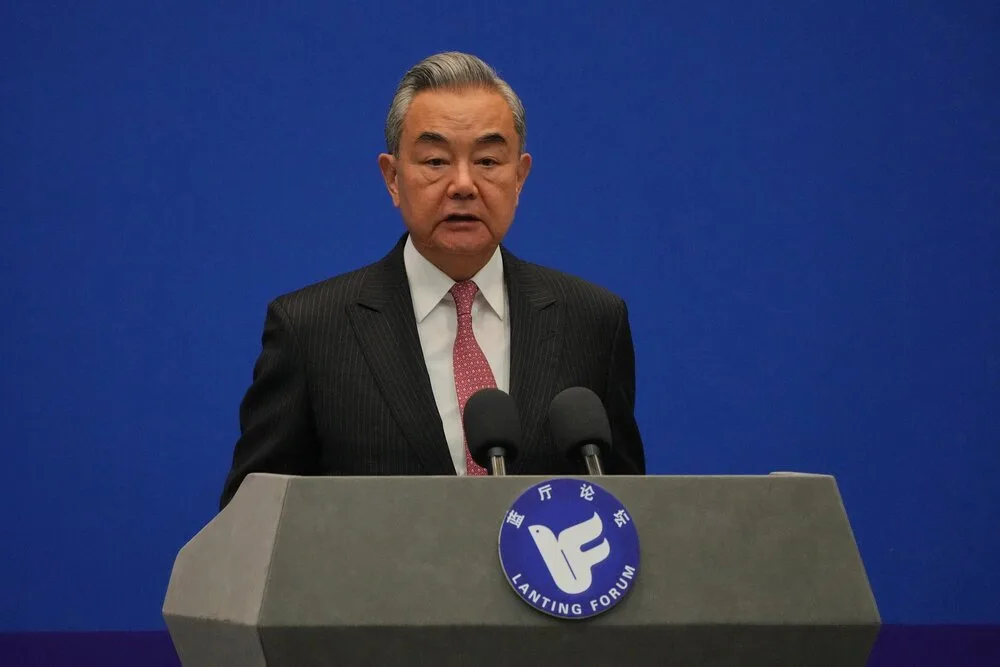
Wang Yi, China's Foreign Minister, recently elaborated on the key concepts of the new framework for China-U.S. relations during an important press conference. He emphasized that this new framework requires mutual respect for the sovereignty and core interests of both countries. According to Wang, relations between China and the United States should be based on the principles of equality and the rejection of unilateral supremacy.
Respect for Sovereignty and National Interests
Wang Yi, while referring to the long history of China-U.S. relations, stated that respect for the sovereignty and core interests of both countries will be the foundation of this new framework. He said, "Great powers should treat each other as equals and avoid any unilateral actions that harm the interests of the other party." These remarks come at a time when tensions between the two countries have significantly increased in various areas including trade, technology, and security issues.
Read more: Qais al-Khazali urges the people and officials of Iraq to refrain from complicity in oppression
Challenges and Opportunities in Bilateral Relations
The Chinese Foreign Minister also pointed to the challenges facing bilateral cooperation, stating that at the same time, there are opportunities for collaboration. He added, "The two countries should focus on common issues and seek joint solutions to global challenges such as climate change, public health, and terrorism." These remarks reflect China's willingness to improve relations with the U.S. and efforts to reduce tensions in the region.
While many analysts are deeply concerned about the future of China-U.S. relations, Wang Yi's statements may signal a desire from both countries to find common ground and cooperate in areas beneficial to both sides. Especially in the current circumstances where the world faces serious challenges, establishing positive and constructive relations between the two major global powers could contribute to global stability and security.
Such statements from Chinese officials could lead to a reduction in tensions and an improvement in the atmosphere of bilateral cooperation, but there are still many questions about how these goals can be achieved. Will the two countries be able to reach a sustainable agreement despite deep differences? The future of China-U.S. relations remains a key issue in global politics, and it remains to be seen whether recent dialogues can lead to a reduction in tensions.
Read more: Intense clashes between Taliban and Pakistani forces at the Kharalashi borders · Iraq's negotiations with the U.S. for exemption of some airports from Iran's flight restrictions