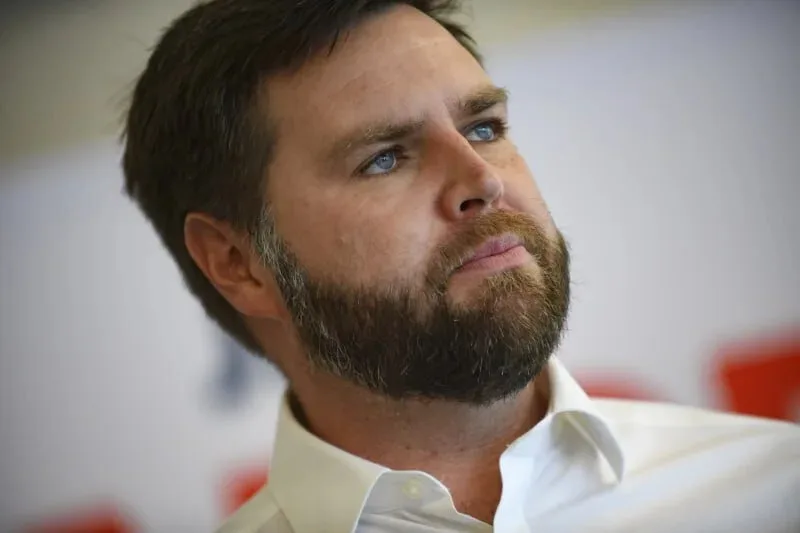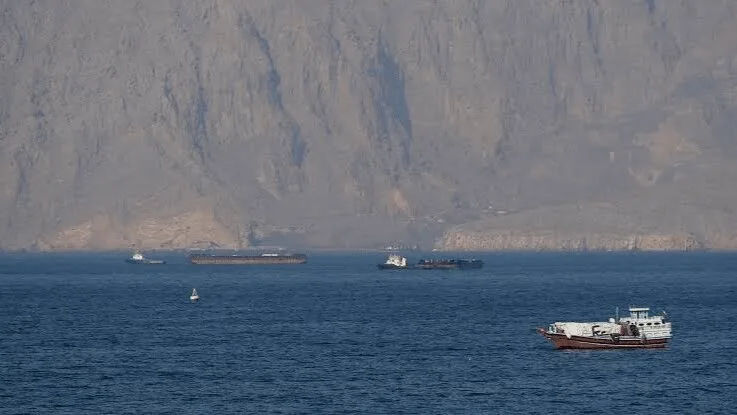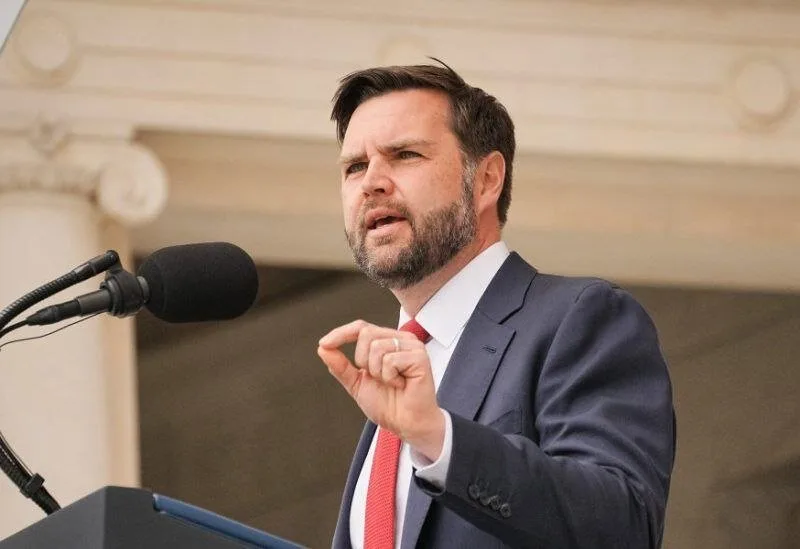
Vance, the U.S. Vice President, recently made significant remarks regarding the escalating tensions between the United States and Iran. He emphasized that Donald Trump, the President of the United States, will not allow this confrontation to lead to an endless and prolonged war. These comments come amid growing concerns about the possibility of war and military conflicts between the two countries.
Concerns About Iran-U.S. Tensions
In recent years, relations between Iran and the U.S. have severely deteriorated. From the United States' withdrawal from the nuclear agreement to severe economic sanctions, all of these factors have fueled these tensions. Now, considering Vance's remarks, it seems that the White House is seeking to reduce tensions and prevent the occurrence of an endless war.
Future Outlook of Iran-U.S. Relations
Vance's efforts to reduce tensions come at a time when analysts and experts believe that any military conflict could have dire consequences for both countries. There is a possibility that a war that begins could turn into a protracted conflict, incurring significant human and financial costs.
On the other hand, Vance continued his remarks by highlighting the importance of diplomacy, stating that the Trump administration is seeking diplomatic solutions to existing problems. He emphasized that the U.S. is always ready to negotiate with Iran, but these negotiations must take place under conditions that do not jeopardize U.S. national interests.
In the meantime, the economic and political consequences of these tensions should not be overlooked. U.S. economic sanctions have placed significant pressure on Iran and severely affected the economic situation in the country. This situation could lead to social and political dissatisfaction in Iran, which in turn could escalate tensions.
Overall, Vance's remarks could be a sign of a shift in the U.S. approach towards Iran. Given the complex and tense history of relations between the two countries, this shift could contribute to greater stability in the region and prevent the outbreak of a widespread war.
Read more: Kaja Kallas: Convincing Europeans to Support Ukraine Has Become More Difficult