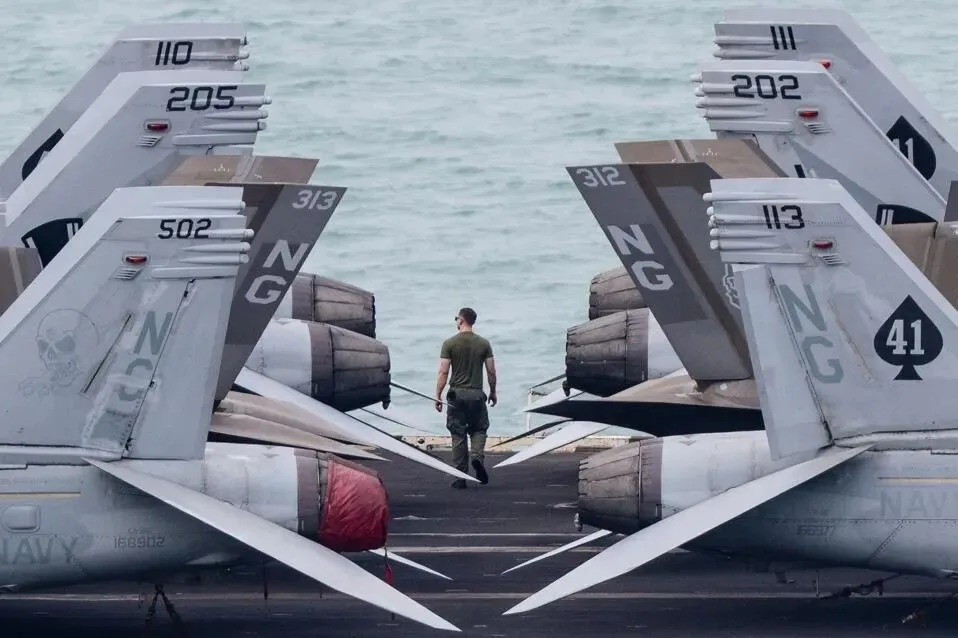
The United States Navy has warned its sailors that they must prepare for long-term missions. According to this entity, these missions may last between 10 to 11 months, and there is no specific timeline for returning to normal conditions. This news has raised concerns among sailors' families and the military community as well.
Consequences of Long-Term Missions
When sailors are at sea for extended periods, it not only affects their quality of life but also impacts their families. Families are forced to endure long separations, which can lead to emotional and social problems. In previous years, the duration of missions was typically between 6 to 8 months, but now with these changes, concerns have increased.
Read more: Global sanctions keep G20 foreign ministers away from group photo
New Challenges for the Navy
The U.S. Navy has decided to extend the duration of missions due to the need to maintain security and readiness against global threats. This decision significantly affects the morale of sailors and their families. Additionally, these changes may impact the recruitment and retention of new personnel, as the lengthening of mission durations may reduce individuals' willingness to join the Navy.
Currently, Navy officials are working to mitigate the negative effects of these long missions by providing psychological and social support to sailors and their families. This support includes psychological counseling and family programs aimed at helping families adapt to these new conditions.
Ultimately, the U.S. Navy faces a significant challenge with this new decision. This challenge not only affects sailors and their families but could also have repercussions for the entire Navy and the national security of the United States.
Read more: Anti-Zionist protests in Thailand call for the expulsion of Israelis · Iraq Resistance: Violation of the country's sovereignty by the U.S. continues