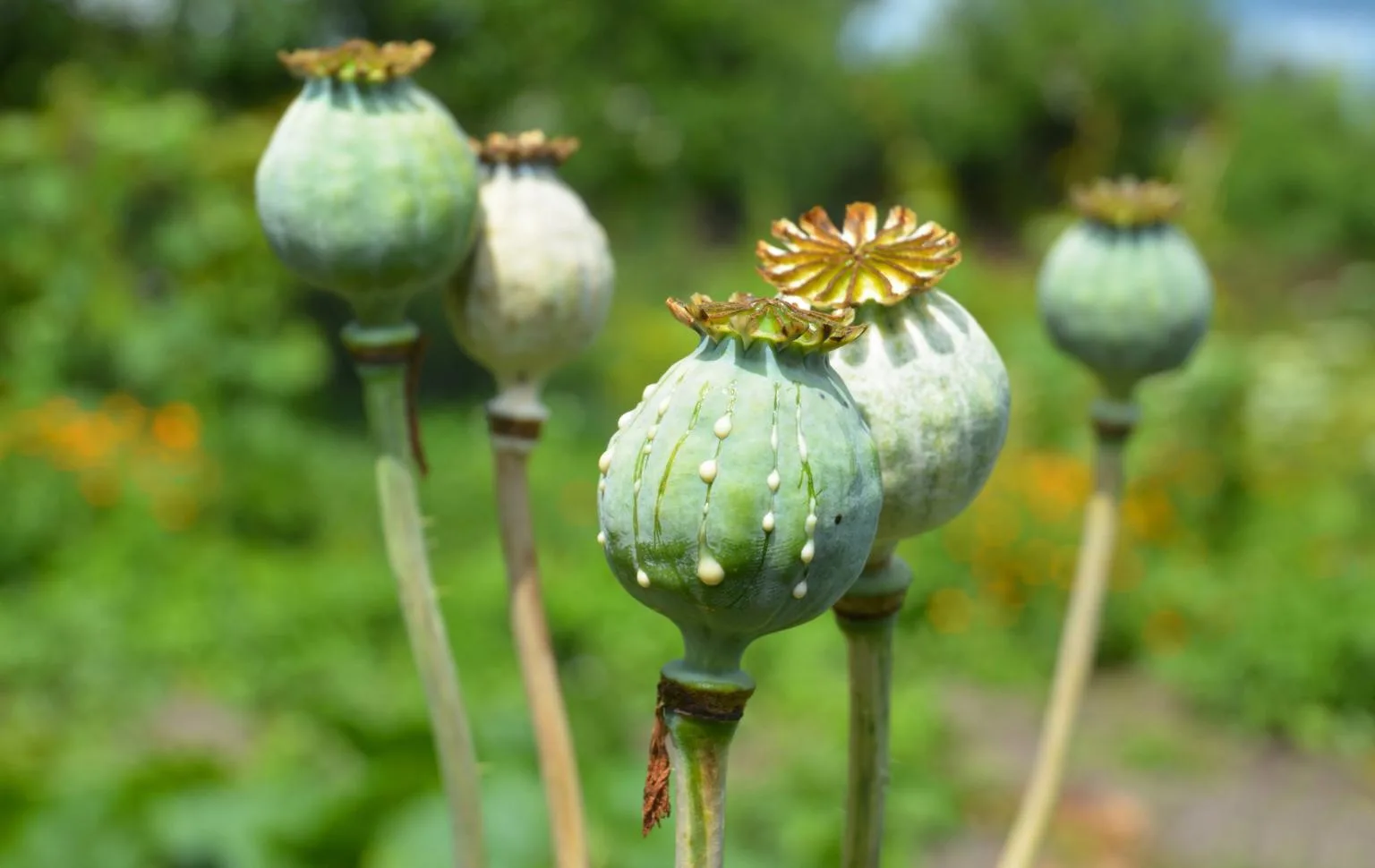
The United Nations has reported that opium poppy cultivation and production in Afghanistan has significantly increased despite the Taliban's ban. The organization has called on the international community to provide alternatives for poor farmers for this lucrative crop.
Increase in Opium Poppy Cultivation and Challenges for Farmers
According to information from the United Nations Office on Drugs and Crime, the area under opium poppy cultivation in Afghanistan has reached over 43,000 hectares this year, compared to only 10,000 hectares last year. Additionally, it is estimated that opium production has increased fivefold, from 300 tons to 1,500 tons.
Read more: Yemen Strikes Again at Saudi Arabia's Ras Tanura Oil Facilities
Afghanistan, which was previously the largest producer of opium poppy in the world, lost its position to Myanmar after the Taliban banned the cultivation of this crop in 2022. However, widespread poverty and the need to secure livelihoods have forced many farmers to resume growing this crop.
Taliban's Response and Farmers' Difficult Conditions
Taliban officials claim to have destroyed over 22,000 hectares of opium poppy fields, but the United Nations Office on Drugs and Crime warns that many opium poppy farms are hidden among grain fields or behind walls, making them difficult to identify.
Mohammad, a farmer from Badakhshan, says, "Without opium production, we can't even afford basic food items." He adds that despite the Taliban's threats, he is forced to cultivate opium. The clashes that occurred in May this year between security forces and farmers in Badakhshan province reflect the existing tensions in this regard.
Meanwhile, the United Nations Office on Drugs and Crime, with support from Japan and the European Union, has funded programs to assist farmers and find alternatives to opium poppy cultivation. Zakirullah, a 35-year-old farmer, reports receiving improved wheat seeds and chemical fertilizers from an NGO and says he no longer needs to cultivate opium.
Additionally, the representative of the United Nations Office on Drugs and Crime in Afghanistan emphasized that creating sustainable alternative livelihoods requires more than just thinking about agricultural products. International cooperation and investment in infrastructure and markets are essential to solve this problem.
Read more: Dual Ballot Votes in Israel's Elections Will Change the Fate of Seats · United Nations Warns of Israeli Regime's Obstruction in UNIFIL Mission