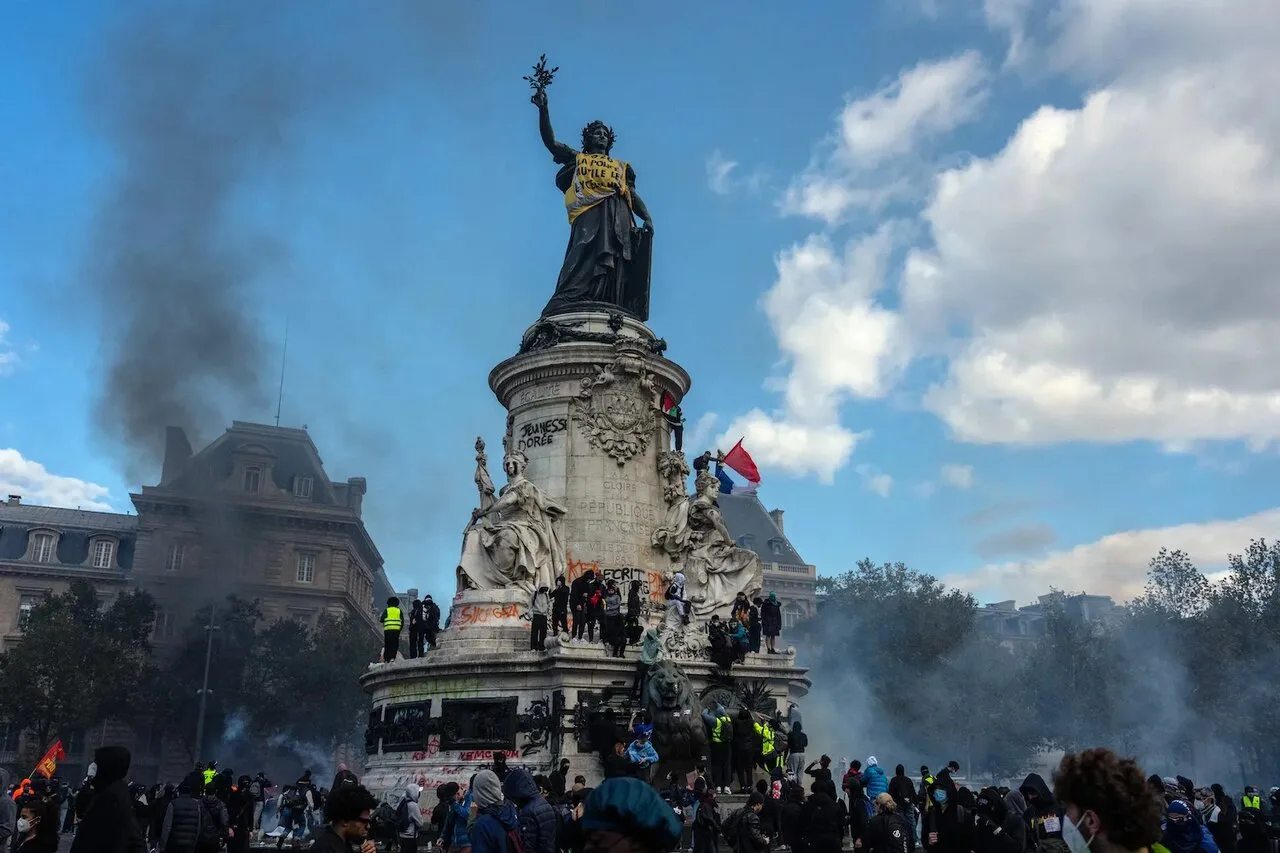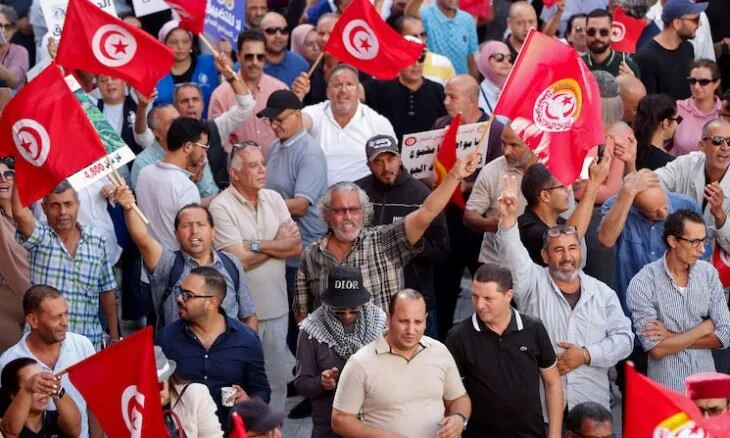
On Thursday, Tunisian police confronted protesters in the capital using tear gas. These clashes occurred in a tense atmosphere as protests in several other cities in Tunisia were also escalating towards increased tensions.
Reasons for the Protests
The recent protests in Tunisia have arisen for various reasons, including economic problems, unemployment, and dissatisfaction with the country's political situation. Many protesters are calling for improvements in living conditions and transparency in the management of the country's affairs. These protests have intensified, especially in impoverished and marginalized areas that are under severe economic pressure.
Read more: Clashes in the Albanian Parliament Following Student Protests
Police Response and Its Consequences
Tunisian police resorted multiple times to the use of tear gas and other riot control equipment to disperse protesters in the capital. This action not only increased the intensity of tensions but also fueled public discontent. Protesters took to the streets with slogans against the government and security institutions, demanding fundamental changes in the country's economic and social policies.
Tunisia, as the birthplace of the Arab Spring, has faced serious challenges in political and economic fields since then. Many analysts believe that the failure to fulfill reform and economic promises has led to public disillusionment and increased protests. Meanwhile, the Tunisian government is also seeking to control the situation and calm the protesters, but so far, the measures taken have not managed to gain the people's satisfaction.
Tunisia's history is filled with ups and downs, each of which has impacted the fate of this country in some way. Currently, it seems that public discontent and popular protests have become a turning point in contemporary Tunisian history. With the continuation of this situation, Tunisia may face even greater challenges in the near future.