The Trump administration has made major changes to the U.S. immigration system by focusing on immigration policies. Since he announced his candidacy for the presidency in 2015, immigration has been at the center of his political messages. In the early days of his campaign, he accused Mexico of sending drugs and crime to the U.S., and this accusation has remained one of his constant slogans.
Strict Policies and Their Consequences
During his first term, some of Trump's programs faced judicial restrictions, but in his second term, these restrictions have decreased, and Trump has been able to secure funding for the implementation of immigration laws with the support of the Supreme Court and Congress. He has promised to close the U.S. borders and implement widespread deportations of immigrants. These promises have become a main topic as the midterm elections approach.
With an increase in illegal crossings during Joe Biden's presidency, the Biden administration was able to reduce the number of crossings by limiting asylum requests and deporting immigrants who entered the U.S. without following legal procedures. However, Trump's return to power significantly reduced this flow, and the number of encounters between border agents and immigrants reached its lowest levels.
The Border Wall and Election Promises
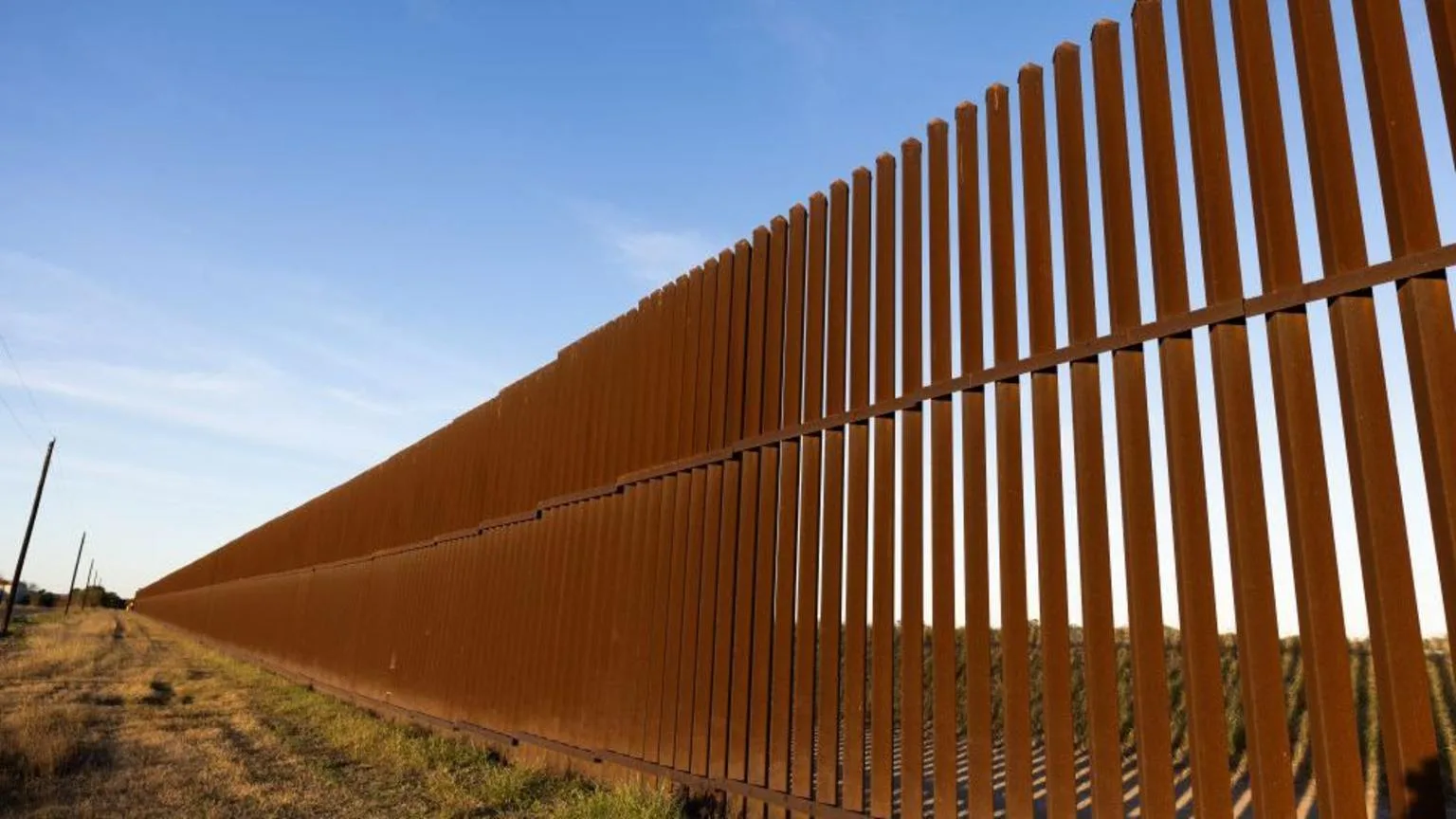
The promise to build "a big, beautiful wall" along the U.S.-Mexico border was one of Trump's key campaign slogans in 2016. With new funding, the implementation of this project has accelerated, and statistics show that about 250 more miles of wall, along with barriers and technologies for detecting illegal crossings, have been completed. However, experts point out that there have been no significant changes in the number of people crossing the border.
Additionally, Trump had promised during his campaign to initiate "the largest deportation operation in U.S. history." In this regard, the number of arrests and detentions in immigration detention centers has significantly increased, with nearly 50,000 cases recorded in July 2026. This is while many of the detainees have no criminal records, raising concerns and distress among some supporters of strict immigration policies.
Ultimately, despite Trump still considering the border wall one of his successes and emphasizing that Mexico has paid for it, the real picture of immigration in the U.S. is more complex than it seems. As political and social developments continue, the fate of immigrants and immigration policies will remain a focal point in the future.
Read more: Saudi airstrikes on the districts of Mokha and Harf Sufyan in Yemen · Alireza Sharifi Yazdi: The increase in healthcare worker migration is due to economic and social problems