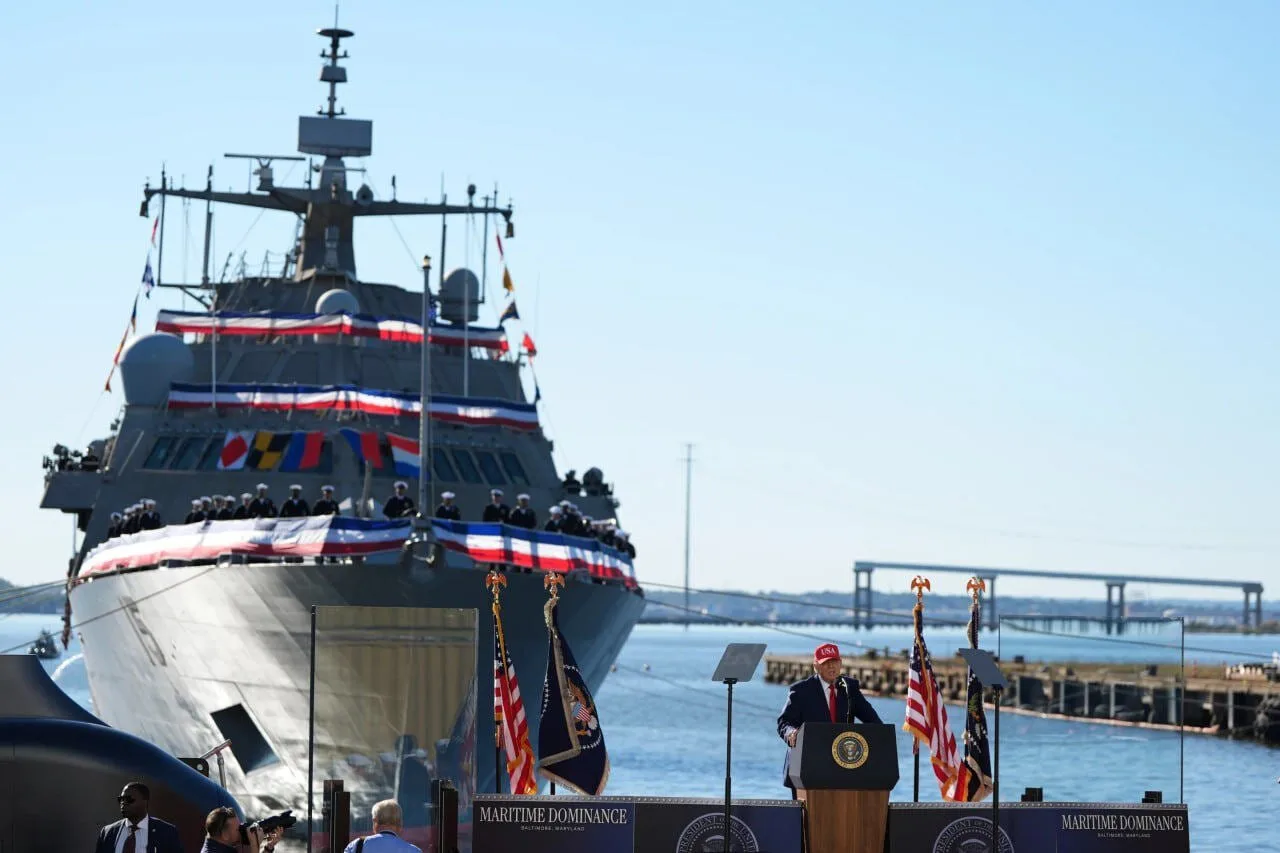
Donald Trump, the President of the United States, in remarks that seem repetitive and contentless, claimed that the Strait of Hormuz belongs to America. These statements, which are particularly sensitive in the current circumstances, could further exacerbate existing tensions between the two countries.
History of Tensions in the Strait of Hormuz
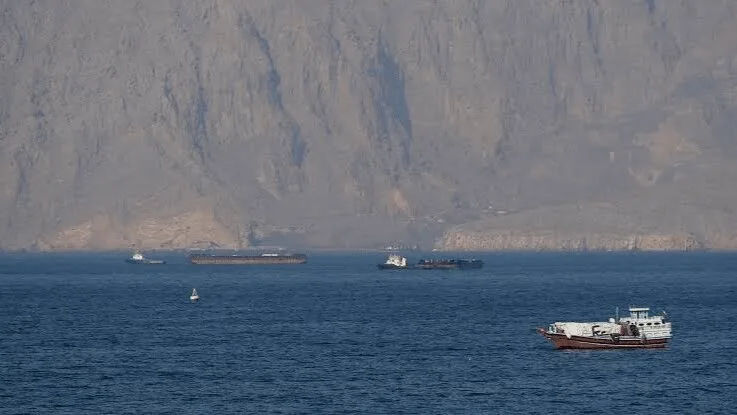
The Strait of Hormuz, recognized as one of the most important waterways in the world, plays a vital role in the transportation of oil and energy to global markets. This strait, as a strategic point, has always attracted the attention of global powers. In recent years, Iran and the United States have repeatedly clashed in this region, with these tensions manifesting in various forms each time.
Read more: Cultural Commission Spokesperson: U.S. Policies Fuel the Spread of Nuclear Weapons
Reactions to Trump's Statements
Trump's remarks regarding the ownership of the Strait of Hormuz have been met with strong criticism. Many experts and analysts believe that such statements not only fuel international tensions but could also have serious repercussions for regional security. Iran, as a country that exports a significant portion of its oil through this strait, has reacted to such statements and has consistently emphasized that the Strait of Hormuz is an international passage and no country can claim it as its own.
In this context, analysts believe that Trump is attempting to exert more pressure on Iran with these statements while simultaneously increasing domestic support for his policies. Especially on the eve of the U.S. presidential elections, such remarks could serve as a tool to attract voters' attention.
Consequences and Future Outlook
The consequences of Trump's statements could be very profound and widespread. Although he seeks to increase pressure on Iran with these words, it should be noted that such rhetoric could lead to heightened military tensions and potential conflicts in the region. This comes at a time when the United States has repeatedly sought to reduce tensions in the Middle East in recent years.
Ultimately, it seems that these statements only add to the tensions, and in the current situation where the world faces many challenges, the need for diplomacy and dialogue to resolve existing issues is felt more than ever. Will Trump be able to achieve his goals with this rhetoric, or will his words only lead to increased tensions and insecurity? Time will tell.
Read more: Israeli Regime's Artillery Attacks on Lebanon and Syria · Poladgar: I Wish Iran's Delegation in Nagoya Wins 167 Medals