The governments of the United States and Israel have recently discussed the possibility of resuming large-scale military operations against Iran. This topic has arisen as the U.S. midterm election campaign approaches its final stages, and the war in Yemen has also heightened concerns about disruptions in the energy market.
Concerns Over Iran's Nuclear Program
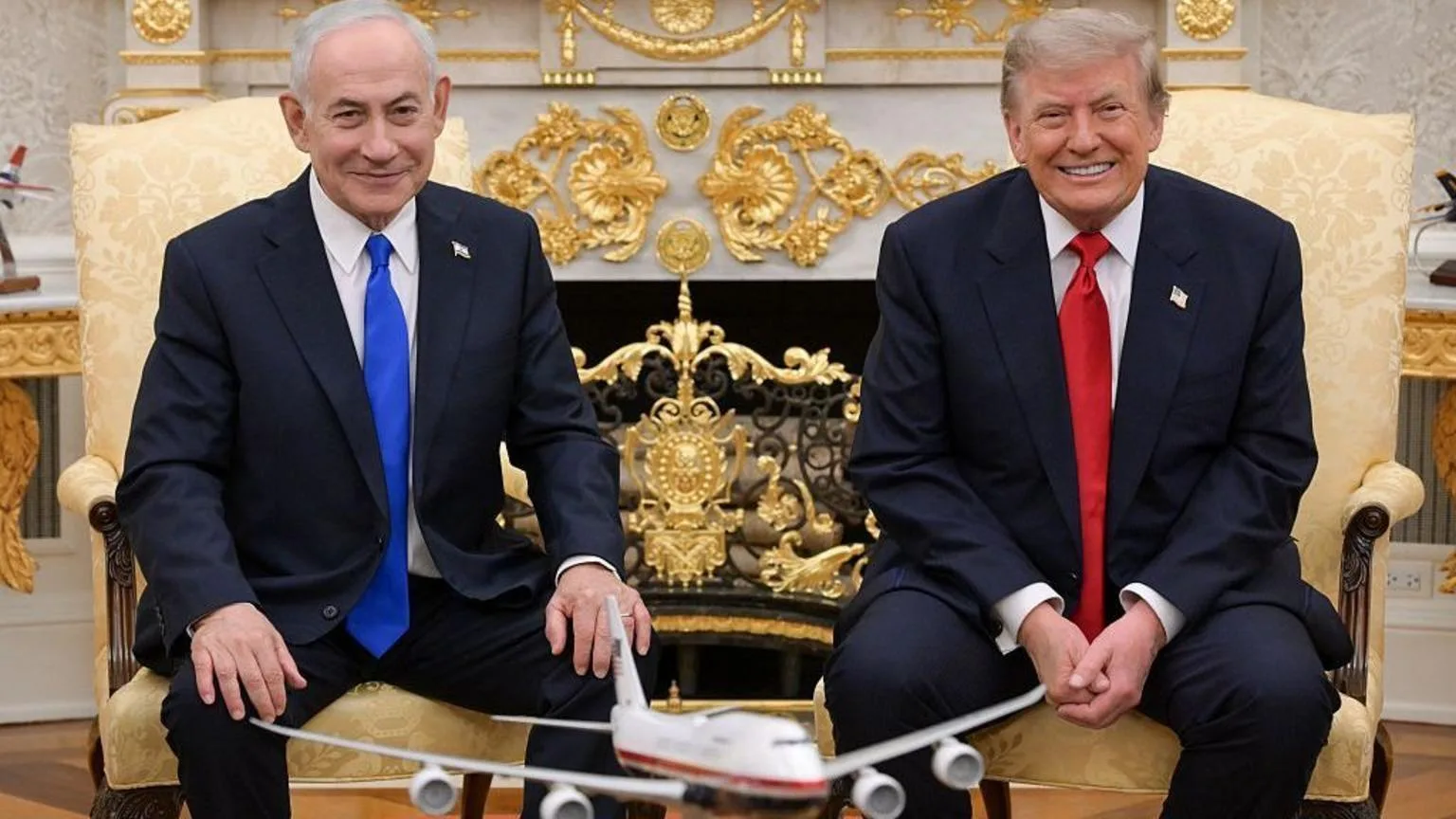
Donald Trump, the President of the United States, and Benjamin Netanyahu, the Prime Minister of Israel, have discussed Iran's nuclear program and the possibility of an attack on the country several times during this period. Netanyahu has expressed his concerns about Iran's efforts to rebuild parts of its nuclear program during these consultations. These discussions took place before Trump publicly announced that he would not attack Iran.
Differences in Positioning
While some U.S. officials speak of the possibility of another attack on Iran, others in the White House believe that sanctions and economic pressures are currently more effective than military action. An American official has stated in discussions with the media that Netanyahu is looking for an opportunity to attack again, and Trump has encouraged him to prepare for this. On the other hand, another official in the White House has rejected this narrative and emphasized Trump's reluctance to attack before the elections.
These developments come as Karim Sadjadpour, a senior Iranian-American analyst, has pointed to the anti-Israeli policies of the Islamic Republic as a factor in strengthening Israeli right-wingers and Netanyahu's hold on power. He believes that the Islamic Republic's strategy of supporting proxy groups instead of investing in the development and education of Palestinians ultimately harms these groups themselves.
The Role of Britain and Iran's Threats
Alongside these developments, the British domestic intelligence agency (MI5) has also warned of threats from Iran within the UK and has issued strong criticisms of the British government for its leniency towards Tehran. Various newspapers and media outlets have addressed this issue and expressed concerns about Iranian terrorist activities on British soil.
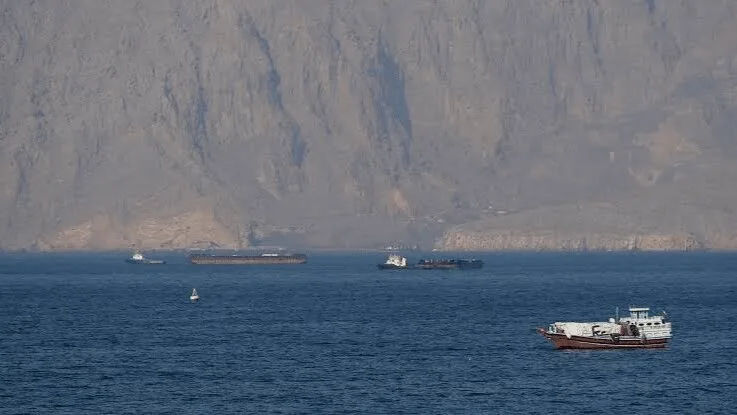
Meanwhile, oil prices have risen due to concerns over escalating tensions in the Middle East, and the situation of the war in Yemen has further fueled regional tensions. The attack on Riyadh International Airport and the deaths of several individuals in this incident have heightened fears of long-term insecurity in the energy market. In this context, Mohammed bin Salman, the Crown Prince of Saudi Arabia, faces many challenges in dealing with the Houthis.
It seems that the increasing tensions between Iran and Western and Arab countries, especially in the backdrop of the U.S. elections, will have profound implications for regional security and the energy market.