In today's world, it sometimes seems that great powers take actions to serve their own interests that can simply be termed the most modern forms of imperialism. This time, Donald Trump, the President of the United States, has plundered Venezuela's natural wealth as a tool to bolster his selfishness.
Oil Plunder Justified by Regime Change
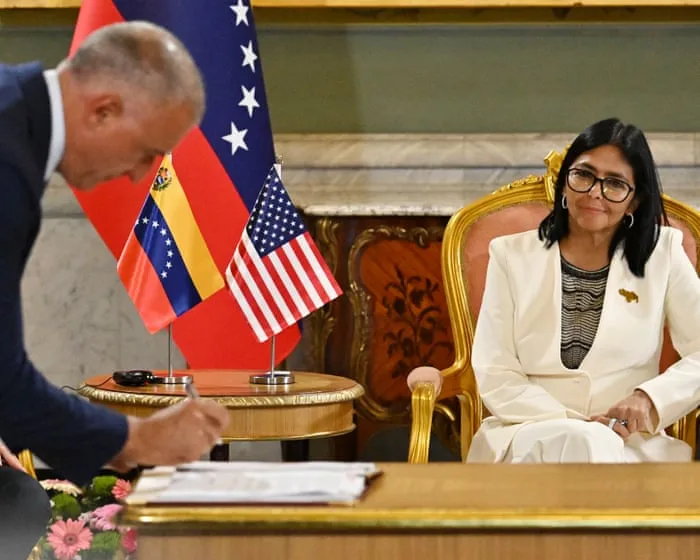
The agreement signed by Delcy Rodríguez, Maduro's vice president, allowed the U.S. to exploit one-fifth of Venezuela's oil reserves. This action is clearly a modern version of gunboat diplomacy that was prevalent in the 19th century. Regime change in favor of U.S. business interests is, in fact, an unfair deal that reflects this country's historical dominance over weaker nations.
Trump knows very well that this agreement cannot lead to an immediate reduction in prices at gas pumps. By claiming that this is the "largest oil deal in history," he is effectively waiting for potential changes in Venezuela's oil production to impact the market. However, the reality is that on the eve of the midterm elections, such actions do not seem to favor the Republicans, while many American voters are struggling with severe economic issues and energy costs.
Has Trump Miscalculated?
The point to note is that Trump's promises regarding price reductions will not be realized anytime soon. Given the current circumstances, it is unlikely that the plundered wealth of Orinoco will benefit American voters. This issue will not only impact the elections but could also lead to a sense of public dissatisfaction with this administration's policies.
Ultimately, this issue illustrates a clear picture of how power is used for personal and political gain. A world where great powers can easily pressure weaker countries requires a serious reevaluation of ethical principles and international diplomacy.