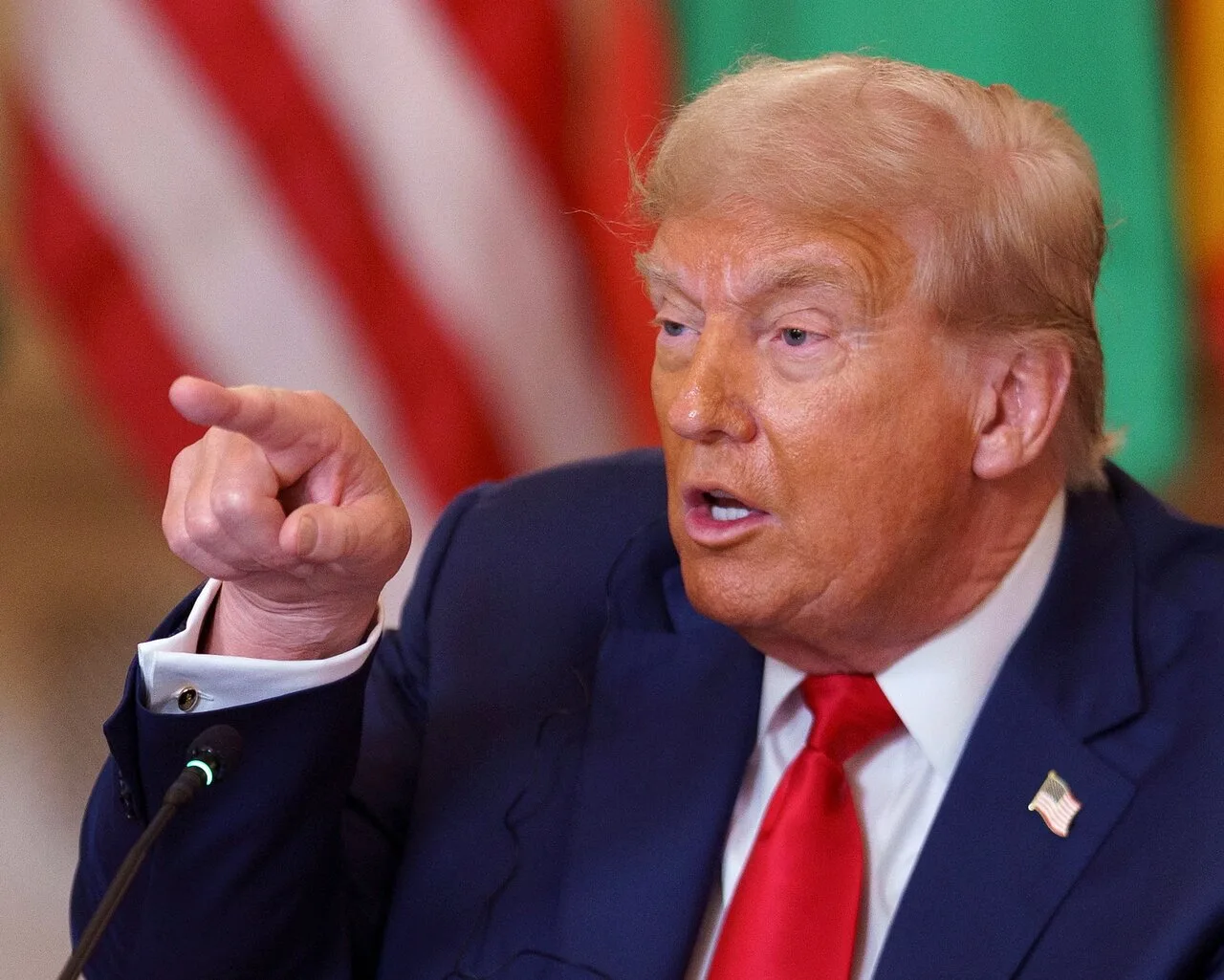
The Donald Trump administration, led by the President of the United States, gained more powers to impose sanctions against Iran and Russia by signing the law known as the "Lindsey Graham Russia and Iran Sanctions Act of 2026." This law has been enacted after being approved by both houses of the U.S. Congress, allowing the government to impose new sanctions against these two countries.
Details of the New Sanctions Law
The U.S. House of Representatives passed this law on September 16 with 262 votes in favor and 159 against. Previously, this law was approved in the Senate on August 7 with a vote of 86 in favor and 11 against. This measure was passed due to the increasing pressures that the U.S. government has faced in recent months regarding its approach to Russia and the war in Ukraine.
Read more: Emmanuel Macron Discussed the Consequences of Closing the Strait of Hormuz
The new sanctions law includes a set of primary and secondary sanctions against Russia and entities that assist this country in continuing the war in Ukraine. Among the targets of this law are Russian officials, oligarchs, and banks and financial institutions of this country. Additionally, a network known as the "Shadow Fleet" that is used to circumvent oil sanctions will also be affected by this law.
Impacts on Iran and Other Countries
One important aspect of this law is the extension of sanctions against Iran for another five years. This action allows the U.S. government to maintain legal restrictions against Iran's energy and arms sectors. According to the congressional measure, this law grants more powers to the U.S. President to impose tariffs of up to 100 percent on goods from countries that are among the top five buyers of Russian oil and gas.
This provision could specifically place countries that assist Russia in circumventing energy sanctions under economic pressure from the U.S. However, exceptions have been considered for some countries; those whose natural gas imports from Russia account for less than 15 percent of total Russian gas exports and take steps to reduce their dependence on Russian energy may benefit from exemptions.
This law could also impact Russia's energy trade with countries like China and India. These countries are major buyers of Russian oil, and if the proposed tariffs are imposed, their trade relations with the U.S. may be affected. However, it is important to note that imposing tariffs of up to 100 percent is solely an option for the U.S. President and does not mean automatic imposition of such tariffs on all buyers of Russian oil.
The passage of this law provides the Trump administration with more tools to exert economic pressure on Moscow and its trading partners. However, the extent to which the U.S. government utilizes these powers and how they are implemented depends on future decisions from the White House.
Read more: Representatives from 41 Countries Participated in the Maritime Defense Coalition Meeting in Jeddah · Iran's Martyrdom Drill with Various Women's Attire Held