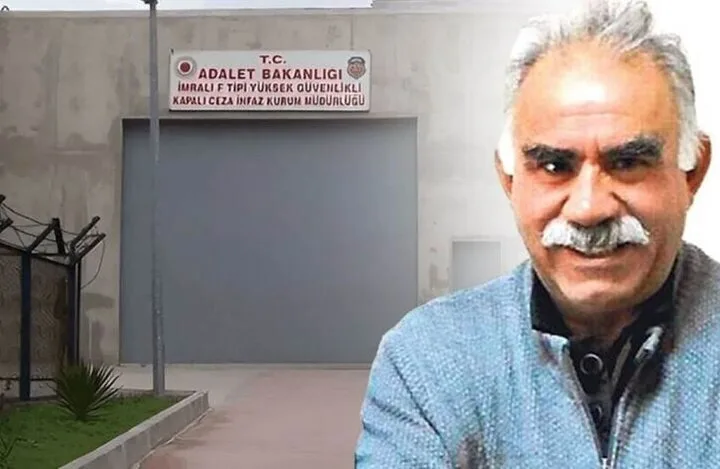
Abdullah Öcalan, the imprisoned leader of the Kurdistan Workers' Party (PKK) in Turkey, has recently been moved from his cell to a new residence in Imralı prison. This action is aimed at creating conditions for political meetings and the acceptance of various delegations. This transfer, which is considered a significant change in Öcalan's status, could have substantial impacts on the political process in Turkey and the region.
History of Abdullah Öcalan and the Kurdistan Workers' Party
Abdullah Öcalan has been in prison since 1999 as the leader of the Kurdistan Workers' Party in Turkey. Öcalan founded the PKK in 1978 due to his revolutionary activities and is regarded as one of the main figures of the Kurdish movement in Turkey. Since then, this party has become a powerful political and military force in the region. Throughout his years in prison, Öcalan has repeatedly called for dialogue and political solutions to the Kurdish issue.
Read more: Clashes between French police and masked protesters in various cities
The Significance of Öcalan's Transfer and Its Consequences
Öcalan's transfer to a new residence may signal a change in the Turkish government's approach to the Kurdish issue. This action seems to have been taken in response to increasing domestic and international pressures to resolve this issue. Given Öcalan's history of influencing political movements in Turkey, this change may lead to an increase in political meetings and dialogues among various parties.
Analysts believe that this transfer could provide an opportunity to revive talks between the Turkish government and Kurdish representatives. In recent years, due to economic and social crises, the Turkish government has been seeking more constructive measures to reduce tensions in the country. Therefore, this action may be seen as a positive step towards resolving Kurdish issues and improving relations between the government and this community.
However, there are still many uncertainties regarding Öcalan's political future and that of the Kurdistan Workers' Party. Some experts argue that this transfer may merely be a symbolic gesture, and the Turkish government may continue its hardline policies. Ultimately, the future of Abdullah Öcalan and the implications of this transfer for Turkey's political future remain shrouded in ambiguity.
Read more: Iraqi protesting drivers demand the reopening of the Al-Shayb border · Erdogan: Turkey has a responsibility in resolving regional and global crises