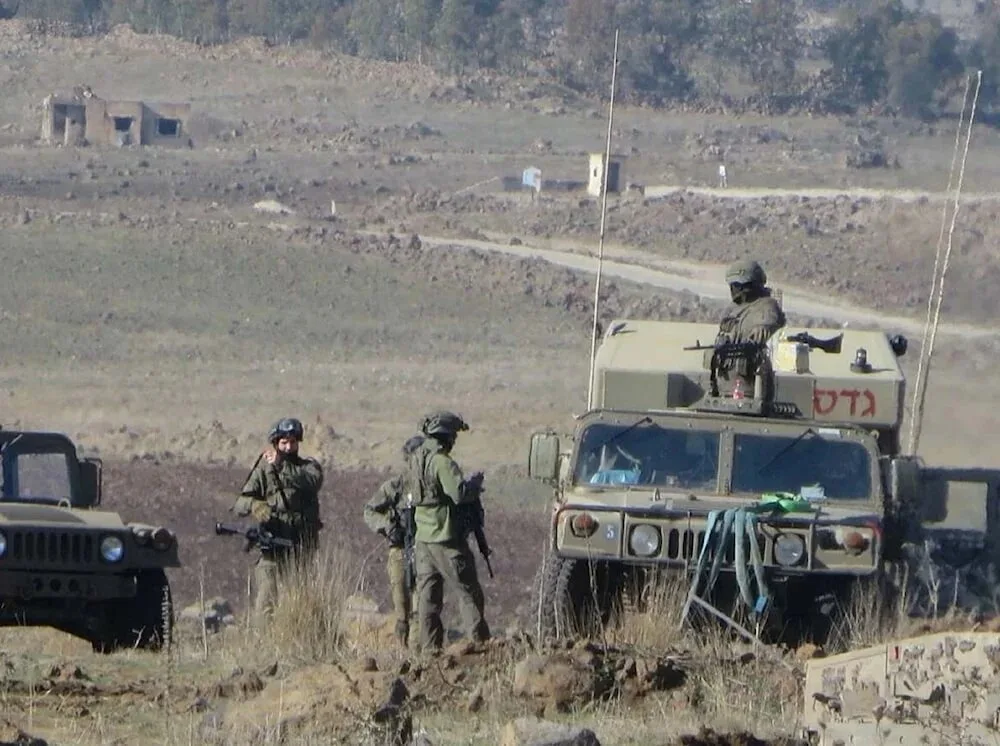
The Zionist regime is making significant changes in southern Syria following the fall of Bashar al-Assad's regime in December 2024, as it attempts to redraw the security map of the region. These changes, which somewhat violate the 1974 agreement and follow military incursions, aim to impose a "security zone" in favor of Tel Aviv.
Diplomatic complexities and Turkey's influence
The Zionist regime's efforts to create a safe area in southern Syria are not only related to military issues but are also intertwined with diplomatic complexities. One of the main challenges is Turkey's increasing influence in the Syrian army and its ability to alter existing equations. This influence could act as a serious obstacle to Zionist objectives and challenge Tel Aviv in its calculations.
Read more: Ukraine's drone attack on the Kuibyshev refinery in Samara
The Zionist regime seeks to exploit the current instability in Syria to design new plans based on its needs. This could lead to increased tensions in the region and potential conflicts between different countries.
Consequences of security changes
These developments could have wide-ranging implications for regional security. Given the history of conflicts and existing tensions, the establishment of a new security zone in southern Syria could lead to humanitarian crises and increased displacement. Additionally, global reactions to these actions will also be unpredictable in the future.
The Zionist regime, by ignoring international agreements and attempting to seize new territories, must consider that this approach will impact not only its own stability but also the entire region. In light of these conditions, global diplomats and regional countries must closely monitor developments and take necessary actions.
Read more: Kim Jong Un tested a new weapons system in North Korea · Attack on Bandar Abbas; damage to 420 fishing boats and martyrdom of 12 people