In an astonishing discovery, researchers examining nearly 3,000 supernovae of a specific type of stellar explosion have found new evidence indicating that dark energy, this mysterious force that helps accelerate the expansion of the universe, may have changed over time. This finding could fundamentally alter our understanding of the structure and future of the universe.
Changing Understanding of Dark Energy
Dark energy, which makes up about 70 percent of the total energy of the universe, is recognized as one of the greatest mysteries in the field of physics. While scientists have been trying for years to understand the nature and behavior of this energy, the recent discovery by researchers could lead to a shift in our thinking about it. It seems that dark energy is not only not constant, but is dynamically changing.
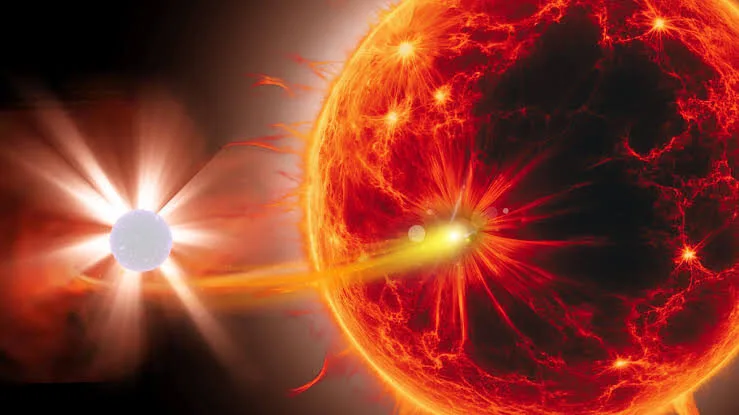
This research was conducted using data from supernovae, which are known as "the most versatile tools for measuring distance in the cosmos." Supernovae, as extremely bright sources in the sky, allow scientists to examine the behavior of the universe's expansion with greater accuracy. The results of this research could potentially help solve the mysteries of the past century in cosmology.
Challenges Facing Cosmology
If dark energy truly changes over time, this could lead to major challenges for existing theories in cosmology. Currently, many theories are based on the premise that dark energy is a fixed and unchanging feature of the universe. However, new evidence may suggest that we still have a long way to go in our understanding of the cosmos.
This discovery not only raises new questions but also enables scientists, as a scientific community, to delve deeper into the fate of the universe and its structure. It seems we are on the brink of a new era in cosmology that could lead to a better understanding of dark energy and the expansion of the universe.