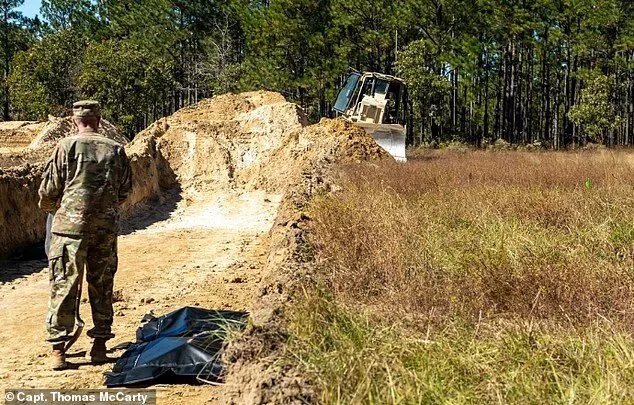
The U.S. Army conducted a mass grave digging and temporary burial drill for fallen soldiers at Fort Bragg in North Carolina for the first time in recent decades. This exercise is designed to manage casualties in a high-casualty war and takes place amid reports of military options being considered against Iran.
Purpose of the Drill and Its Implications
This specific drill allows the U.S. Army to be adequately prepared for potential war scenarios that may arise in the future. According to Army officials, planning for casualty management is a fundamental part of any military operation. This action also reflects the Army's focus on improving its operational capabilities in critical situations.
In recent years, concerns over escalating tensions in the Middle East and the possibility of new military conflicts have led the U.S. Army to explore various scenarios. The temporary burial drill for soldiers is part of these scenarios that can assist commanders in managing future crises.
History and Significance of This Drill
Fort Bragg, as one of the main bases of the U.S. Army, has always been considered a location for military exercises. This base is particularly known for special training and field operations. Conducting such a drill is rare in the recent history of the U.S. Army and demonstrates the seriousness and readiness of this institution to face critical situations.
This action may also influence public opinion and lead to increased concerns about the possibility of war in the future. While some analysts believe that these drills signify heightened tensions, others view them as a reflection of the need for preparedness and foresight against future threats.
Given the current global conditions and the various threats that exist, this drill can be seen as a warning sign. The potential for new military conflicts, especially in the Middle East, remains one of the hot and controversial topics in global politics.
Read more: Qatari Tanker