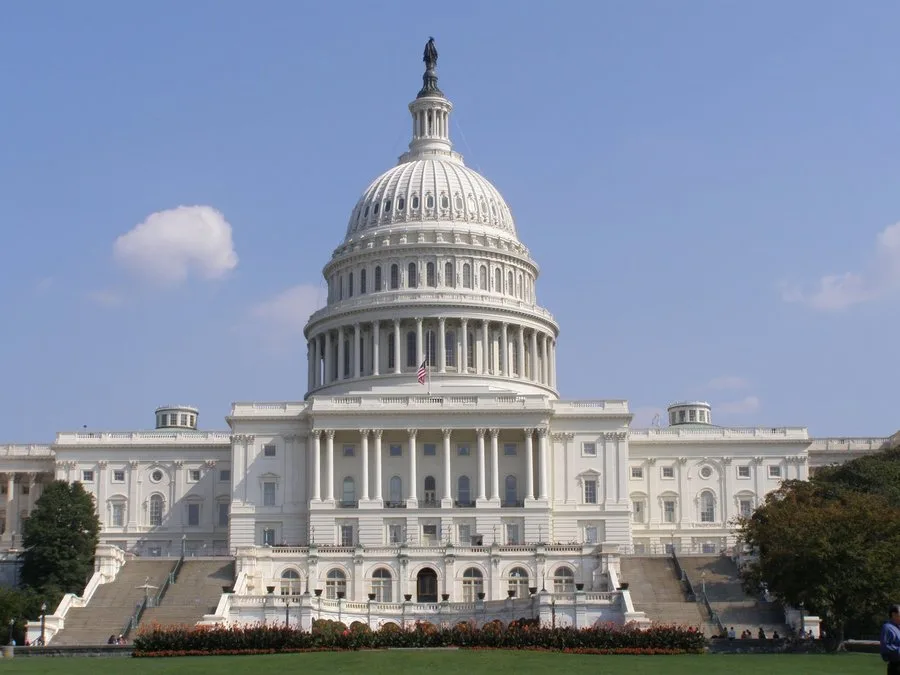
The presence of 7 Muslim representatives in the U.S. Congress and House of Representatives is considered a milestone in the political history of this country. These representatives were elected in the 2023 elections to represent various states in these legislative bodies. This issue not only reflects an increase in diversity in U.S. politics but could also have profound effects on the domestic and foreign policies of the country.
New Composition of Congress and the House of Representatives
These 7 Muslim representatives include individuals from diverse cultural and religious backgrounds, most of whom are known for their anti-Zionist positions and support for Palestinian rights. For example, Ilhan Omar and Rashida Tlaib are among these representatives who have attracted media and public attention for their outspoken criticisms of Israeli policies and their support for human rights in Palestine.
Read more: Tucker Carlson: The Trump Era is Over
This change in the composition of Congress could signify the formation of a new lobbying group in support of anti-Zionist policies, which may lead to challenges for the U.S. government in international relations. Given that these representatives are working to improve the living conditions of Palestinians and criticize Israeli policies, we are likely to witness changes in how the U.S. engages with Middle Eastern issues.
Political and Social Consequences
The presence of these Muslim representatives could strengthen the voice of Islamic communities in the U.S. and also on an international level. This issue could serve as a model for other religious and ethnic minorities in the country, showing them that it is possible to attain political power in America. This could help increase political participation among Muslim communities and other minorities.
Furthermore, these changes could also lead to increased violence and social tensions. Some right-wing and racist groups may react negatively to these changes, which could result in heightened tensions and conflicts within American society. These challenges could create a tense and polarized environment in society, making dialogue and interaction between different groups more difficult.
Ultimately, these 7 Muslim representatives are not only representatives of their communities in Congress but also symbols of social and political changes in the United States. Given America's history of embracing cultural and ethnic diversity, these changes may lead to the development of new policies that align with the needs of various communities.
Read more: Medvedev: Trump's Electoral Defeat Has No Impact on Russia's Interests · Efforts by Iran's Neighbors to Prevent New Conflict