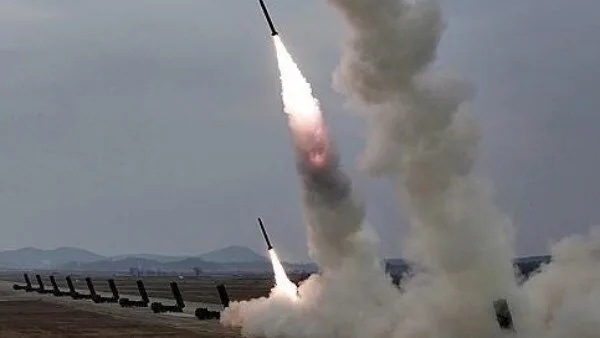
Ansarullah, the Yemeni movement that has become one of the main actors since the start of the war in Yemen in 2014, has maintained its power despite extensive attacks from Saudi Arabia, the UAE, the USA, the UK, and the Zionist regime. This movement has now advanced towards Bab el-Mandeb with a large arsenal and more forces, becoming a significant force on the battlefield.
Effects of the War on Ansarullah
The Yemeni war, recognized as one of the major humanitarian crises in the world, has continued for over a decade and has been accompanied by numerous human casualties and destruction. However, Ansarullah has managed not only to extricate itself from these crises but also to be recognized as a powerful military and political force in the region. By taking advantage of the wartime conditions and striving to strengthen its military infrastructure, this movement has gradually been able to resist the aggressors' attacks significantly.
Read more: Donald Trump Returns to the White House with a $2.7 Billion Increase in Wealth
Advancement Towards Bab el-Mandeb
Bab el-Mandeb, one of the most important maritime straits in the world, has currently become the center of attention for Ansarullah. This strait, which is the main route for global shipping, has high strategic importance due to its geographical location. By advancing towards this area, Ansarullah aims to control it and influence global trade routes. This move not only allows Ansarullah to monitor the movements of the aggressors but also helps strengthen its power in political and military negotiations.
In recent years, Ansarullah has become one of the main actors in the Yemeni crisis by utilizing modern warfare techniques and enhancing its military capabilities. This movement, by attracting more forces and strengthening its military infrastructure, has become an undeniable force in regional equations. The fact that Ansarullah has managed to continue its existence and power despite international pressures and extensive attacks demonstrates the depth of resilience and determination of this movement.
Ultimately, the Yemeni crisis and the rise of Ansarullah show that in situations where many countries are trying to solve problems using military force and diplomacy, sometimes internal and social impacts can unexpectedly strengthen the power and will of a movement. Ansarullah, as a prominent example of this phenomenon, continues to advance and strengthen its power.
Read more: Phone Call Between Mohammed bin Salman and Emmanuel Macron Regarding Regional Developments · Dialogue Between Mohammed Ishaq Dar and Rafael Grossi on Peace and the Islamabad Agreement