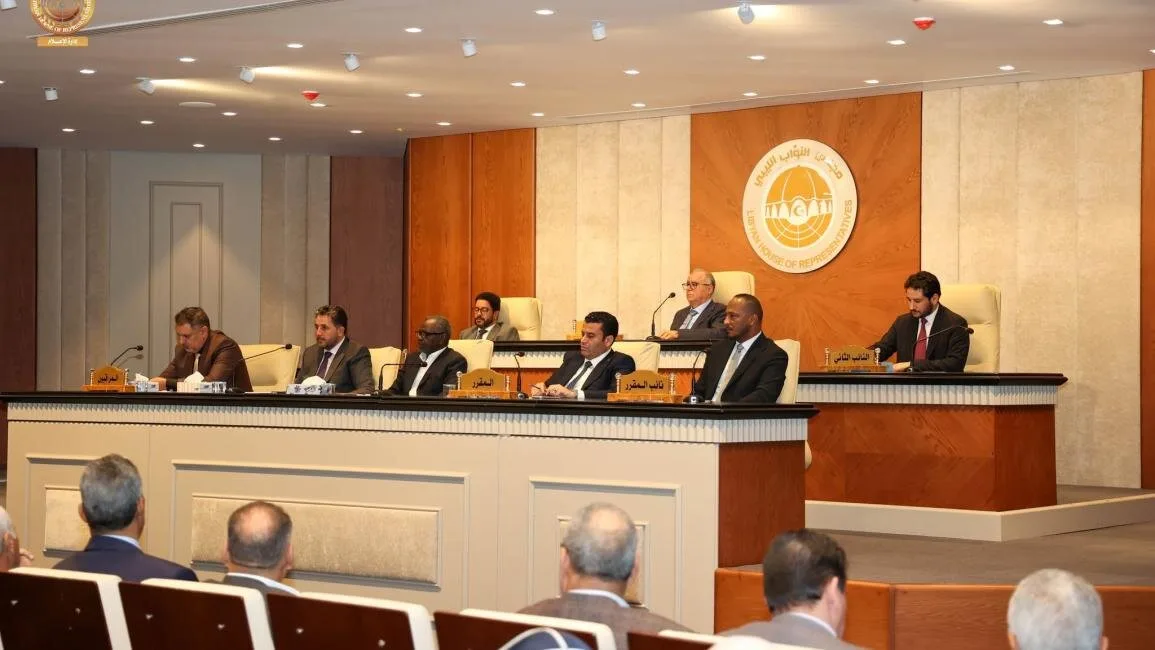
The Libyan House of Representatives has recently approved an agreement to delineate maritime borders with Turkey. This agreement has come to fruition after nearly seven years of political and regional disputes, and it seems to have brought this issue into a new phase.
Long History of Disputes
The maritime border agreement between Libya and Turkey was approved while the two countries had signed an agreement in 2019. This agreement emerged following the civil war in Libya and Turkey's efforts to expand its influence in the region. Since then, numerous political, military, and diplomatic disputes have arisen among various parties involved in Libya, as well as regional and international actors.
Read more: Japanese protesters rally against joint military exercises with the U.S.
While Tripoli and Ankara have welcomed this agreement and consider it a positive step towards strengthening bilateral cooperation, the European Union has strongly protested this move, deeming it a threat to regional security and stability. These reactions reflect the challenges facing this agreement and its implications for political dynamics in North Africa and the Mediterranean Sea.
Consequences and Challenges Ahead
The new agreement could bolster Turkey's military and economic presence in Libya and allow it access to natural resources and marine energies in the region. Many experts believe that this move could escalate tensions in the Mediterranean Sea and lead to new rivalries among regional powers.
Furthermore, the approval of this agreement may impact Libya's relations with its neighboring countries. Particularly, some countries like Egypt and Greece are deeply concerned about Turkey's influence in the region and may seek actions to counter it. There is a possibility of increased military and diplomatic tensions in this regard, which could lead to further instability in Libya and its surroundings.
Ultimately, this agreement will not only affect Libya and Turkey but also the security and political situation across the entire North African and Mediterranean region. It seems that the future of this agreement depends on how different countries interact with it and the international responses it elicits.
Read more: Trump: The protests in France are a full-blown revolution · Navi Pillay: Death threats and a call for Europe to respond to U.S. sanctions