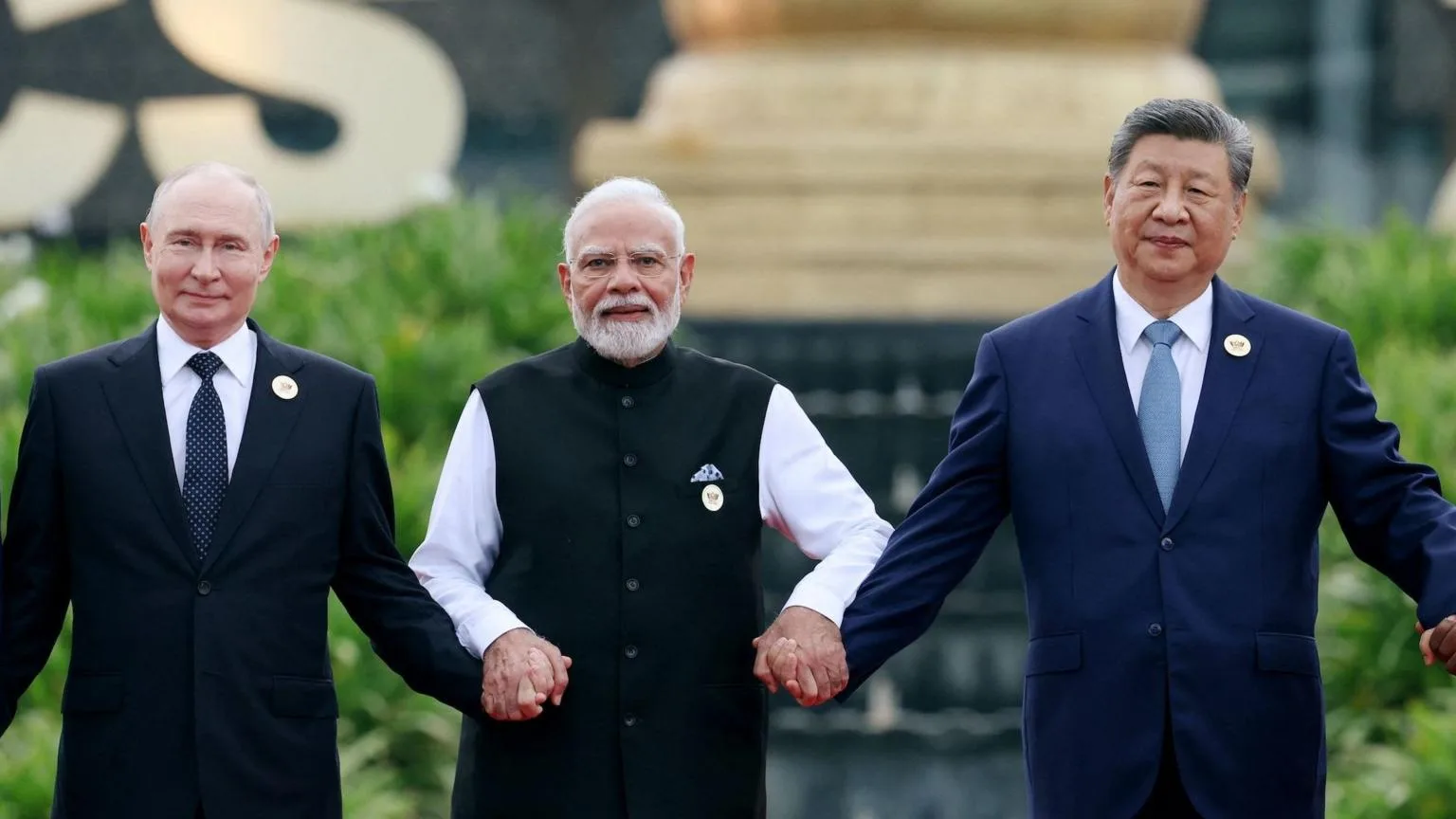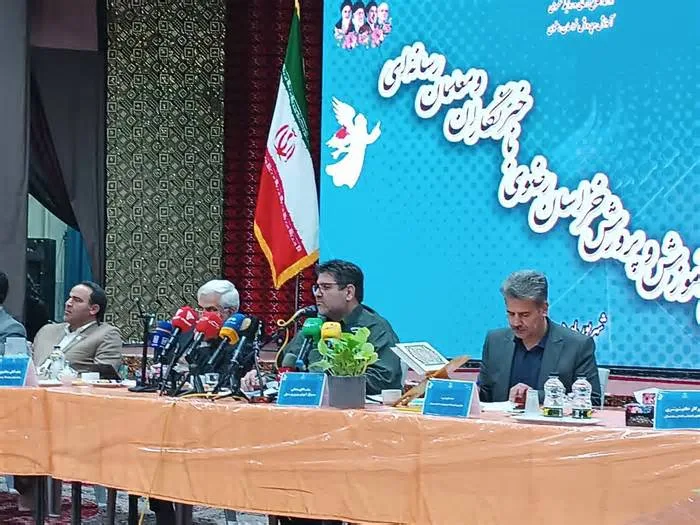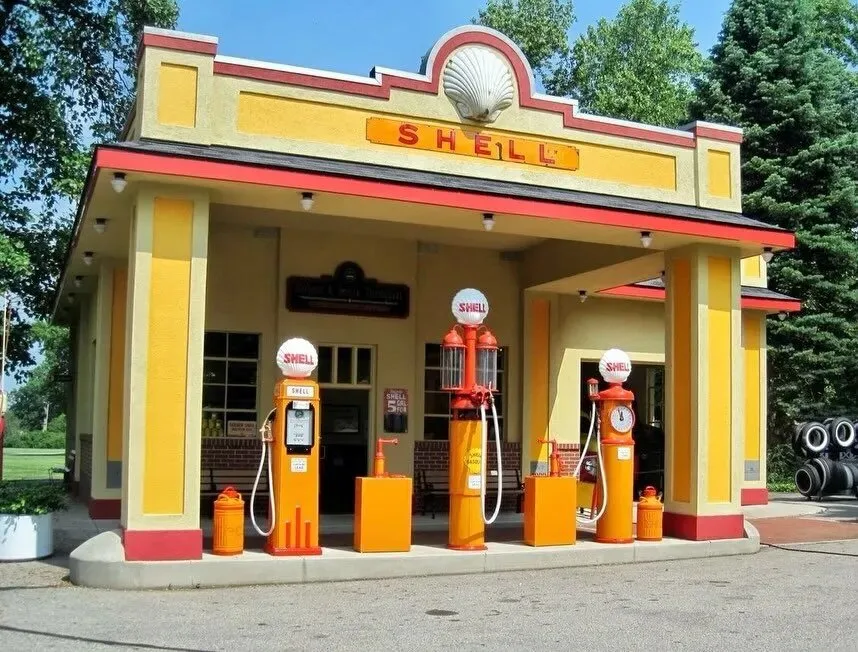
The war against Iran, which once only manifested in battlefields and military maps, has now reached the daily lives of Europeans. This war has clearly impacted fuel prices and essential goods, challenging people's lives.
Economic Impacts on Society
The rise in gasoline and other raw material prices clearly shows how tensions and sanctions can directly affect the lives of ordinary people. With reduced access to energy resources and increased costs, many families have been forced to rethink their financial plans.
This situation has not only affected the prices of goods but also the general morale. People are worried about the future and are trying to adapt to the new conditions. A sense of despair and uncertainty is clearly felt among the community, fueling social and economic crises.
Social and Cultural Consequences
The war against Iran has indirectly impacted culture and social relations as well. People are increasingly discussing the economic and political situation in the streets and public gatherings, making these topics a central focus of conversations.
In these circumstances, social solidarity and support for one another have become more important than ever. Families and friends are striving to overcome difficulties through cooperation and assistance, supporting each other.
Overall, the war against Iran increasingly affects the lives of people in the West, indicating how international policies and global developments can significantly impact the daily lives of individuals. In this context, it is important that the voices and needs of the people are considered in political and economic decision-making.