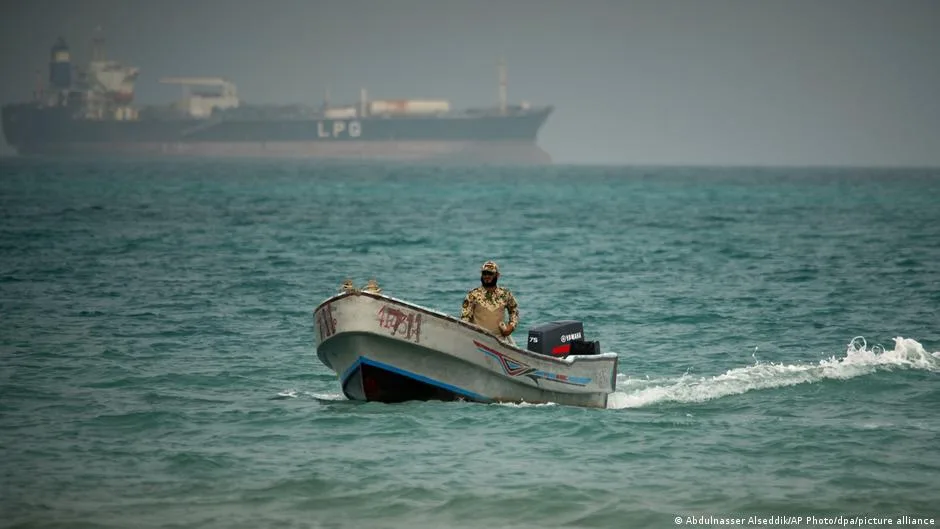
The Houthi conflict in Yemen has rapidly approached neighboring countries in Africa, and this reality is clearly reflected in the economic situation of Djibouti and Ethiopia. The Iran-backed Houthis have seized Socotra Island in Yemen, and their control over the Bab-el-Mandeb Strait is reminiscent of the situation in the Strait of Hormuz, which has disrupted exports from the Persian Gulf for years.
Economic Consequences for Africa
African economies are currently affected by the crisis in the Strait of Hormuz, which has particularly led to reduced supply and increased prices of fuel and fertilizers. Now, with new threats from the Houthis targeting commercial ships, this situation could become especially dire for Egypt and Djibouti. Egypt, which controls the Suez Canal and collects tolls from passing ships, may impose additional costs on customers by opting for longer routes around Africa.
Read more: Ansar Allah: Bab-el-Mandeb is Part of Yemen's National Sovereignty
Djibouti in a Critical Situation
Djibouti, with a population of less than one million, is considered one of the important countries in maritime commercial and military activities due to its geostrategic position at the entrance to the Red Sea. According to Alessandra Roccasalo, the UN Development Program representative in Djibouti, the situation in the country is rapidly deteriorating, as water and resources necessary for accommodating Yemeni refugees are severely lacking.
In recent days, more than 2,500 people have fled from Yemen to Djibouti and have settled in very difficult conditions. If the situation continues, Djibouti will not be able to cope with this crisis alone and will need international and diplomatic cooperation.
Ethiopia's Challenges and Dependence on Djibouti
Ethiopia, as the largest landlocked country in the world, conducts about 95% of its imports and exports through Djibouti's ports. This dependence on Djibouti has created a serious problem for Ethiopia, especially as insurance costs have significantly increased. Experts believe that the Ethiopian government should seek to reduce this dependence and, particularly considering Djibouti's geopolitical challenges, think about gaining access to independent ports.
Abiy Ahmed, the Prime Minister of Ethiopia, has repeatedly called for access to an independent port in recent years, and despite the threats, it seems that under current conditions, attempting to seize the Assab port by force is not a reasonable option. A war in the Horn of Africa would only lead to increased tensions and crises in Bab-el-Mandeb and the Strait of Hormuz.
New Collaborations and Future Outlook
Given the increasing collaboration between the Houthis and terrorist groups like Al-Shabaab in Somalia, African countries must seek new solutions to counter these threats. The three African countries currently on the UN Security Council support freedom of navigation and call for resolving the Yemen crisis under UN supervision. However, at present, it seems that African governments have limited options to address this crisis and must focus on diversifying trade routes and strengthening their economic infrastructures.
Read more: Downing of Saudi F15 Fighter Jet in Marib Province, Yemen