Ethiopia is on the brink of another humanitarian crisis. After several years since the end of a devastating war with the Tigray People's Liberation Front (TPLF), which resulted in the deaths of around 600,000 people and the displacement of millions, the country has once again plunged into severe conflicts. While Abiy Ahmed, the Prime Minister of Ethiopia, received the Nobel Peace Prize in 2019 with hopes for a better future, he now faces even greater challenges that affect not only his country but the entire region.
The Emergence of New Alliances and Internal Tensions
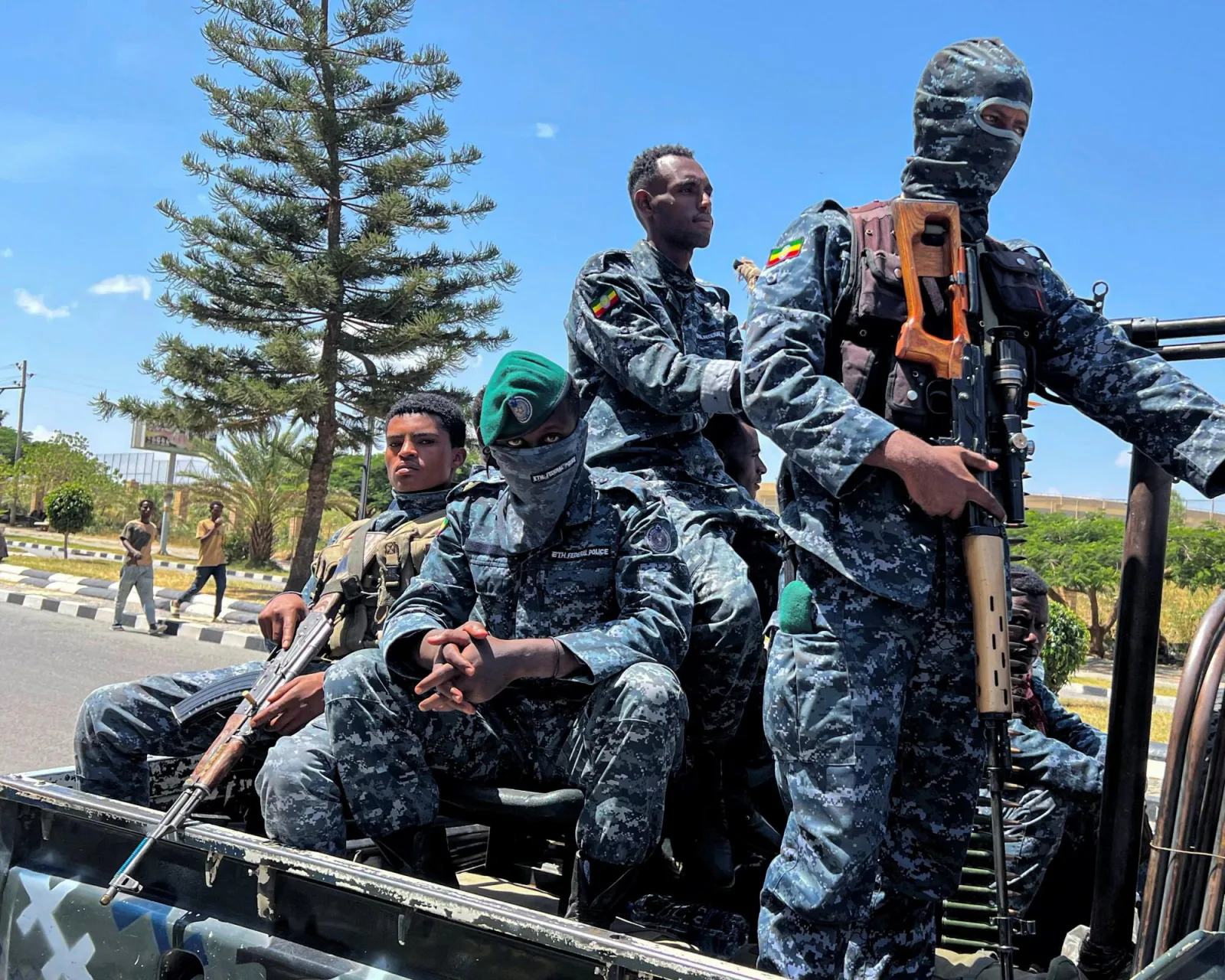
As violence escalates in northern Ethiopia, various local groups have formed alliances to challenge the central government. Last month, seven regional groups in Ethiopia announced that they had joined a "Coalition for Survival" to overthrow the federal government. This coalition clearly reflects deep internal tensions and insecurity in the country. Meanwhile, the TPLF, which controls Tigray, is engaged in conflict with the Amhara Fano militias, and territorial disputes continue.
Read more: The Kurdistan Workers' Party of Turkey announces the complete withdrawal of its forces from Turkey
Political Complexities and Regional Implications
The Prime Minister of Ethiopia, Abiy Ahmed, is urgently seeking access to the Red Sea, a demand that has raised concerns and anger from Eritrean President Isaias Afwerki. Ethiopia also accuses Eritrea of supporting the rebel coalition. At the same time, similar accusations have been leveled against Egypt and Sudan, which are said to support the TPLF in retaliation for Ethiopia's Grand Renaissance Dam on the Nile. These tensions reflect broader crises and intersecting geopolitical interests in the region.
While the current violence in Ethiopia is deeply concerning, with reports of hundreds being killed, the conflict has not yet fully erupted. In 2020, the people of Tigray felt they needed to unite for their collective survival. However, this time, the TPLF has split into two factions, and veteran commanders have been arrested for questioning the new war. Additionally, soldiers and civilians are also reluctant to engage in conflict.
Moreover, humanitarian crises and food shortages resulting from previous wars and global crises such as the war in Iran and the impacts of climate change have exacerbated the situation. Given these circumstances, the urgent need for humanitarian assistance from the international community is felt.
It seems that without swift action, Ethiopia may enter another full-scale war, the consequences of which will affect not only this country but a wider region as well. For those living in this country, hope for peace and reconstruction must be prioritized.
Read more: Widespread protests by Indians against the removal of 130 million names in Modi's electoral plan · Israel prepares for a potential war with the Palestinian Authority