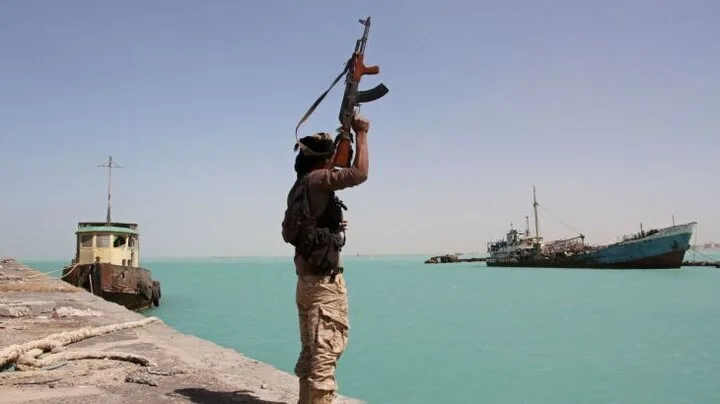
The recent developments on the western coasts of Yemen and the presence of Yemeni armed forces in sensitive areas such as Al-Mokha, Dhubab, and Meyyun Island have significantly highlighted the strategic importance of Bab-el-Mandeb. These developments have not only attracted the attention of the international community but have also raised serious concerns among the Zionist occupiers and Saudi Arabia.
Concerns of Tel Aviv and Riyadh
With Ansarullah's advance in these areas, Tel Aviv is extremely worried about the security of the maritime route leading to its Eilat. This issue has prompted Benjamin Netanyahu, the Prime Minister of the Zionist regime, to declare readiness for an attack on Ansarullah positions. This action comes at a time when Saudi Arabia, as one of the main players in this equation, is also concerned about the security of its oil export route that passes through this vital waterway.
In fact, the developments in Yemen have turned into a complex equation for Saudi Arabia. Riyadh, which has faced numerous security and military challenges in recent years, is now looking to the future with deeper concerns and is trying to prevent Ansarullah's advance. This situation not only affects Saudi Arabia's internal security but could also impact the global oil market and its prices.
Possible Consequences
Given the current conditions, it seems that the developments in Yemen could lead to increased tensions in the region. If Netanyahu acts on his promises to attack, this action may provoke retaliatory responses from Ansarullah and even other regional players. Clearly, this difficult equation could have dire consequences for the security and stability of the region.