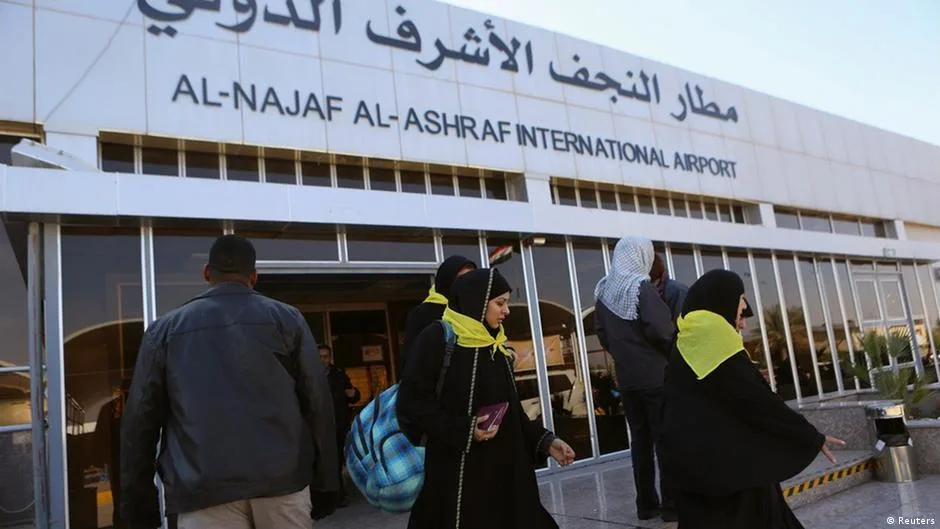
All incoming flights from Iran and outgoing flights to Iran at Najaf International Airport have been suspended from 2 AM on Friday, September 25 (October 3) local time until further notice. This decision was made following the announcement by the Iranian Civil Aviation Organization regarding the cessation of accepting flights from Iranian airlines at Baghdad Airport.
Consequences of Flight Suspension
According to the management of Najaf Airport, this directive emphasizes to airlines and responsible flight operation entities that no actions should be taken regarding flights subject to this decision. Additionally, any further instructions regarding the resumption of flights will be communicated to the airlines.
This suspension of flights occurs at a time when the United Arab Emirates had previously halted all Iranian flights in the country. Currently, flights to and from Iran continue only through China, Armenia, and Turkey, but the status of these flights is also facing disruptions.
Dimensions of New Aviation Sanctions
Analysts believe that the consequences of these events go beyond the cancellation of a few pilgrimage or travel flights and have targeted the entire aviation ecosystem and its related economy. The capacity of Iran's international flights had already faced a significant decline compared to the previous year before this new wave. The continuation of this trend will not only lead to uncertainty for travelers but will also place heavy financial pressures on airlines, travel agencies, the tourism industry, hospitality, and regional trade in Iran.
Analysts are particularly concerned that the pressure from sanctions may transfer from domestic companies to the regional airport and service network, and the remaining routes in China, Armenia, and Turkey may also come under secondary pressures.
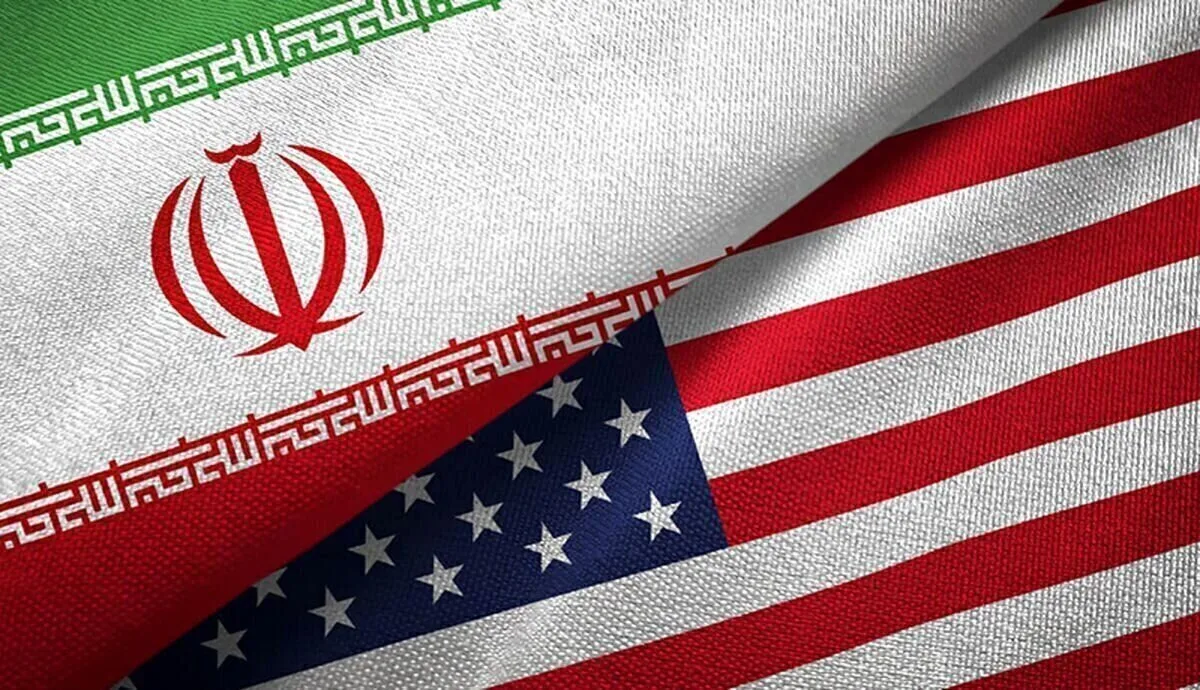
The U.S. Department of the Treasury, as of September 23 (October 1), has placed all Iranian airlines on the sanctions list, making services to these aircraft worldwide subject to secondary sanctions. According to Scott Basset, the U.S. Secretary of the Treasury, flights of more than 80 to 90 percent of Iranian aircraft worldwide have been halted.
Moreover, these sanctions directly impact people's lives and leave many travelers in a state of uncertainty. In this situation, the reduction of pilgrimage and business travel will lead to serious economic consequences for Iran.
The suspension of flights to Najaf and other similar actions clearly indicate the international tensions and economic pressures that the Islamic Republic is currently facing. These sanctions not only harm the aviation industry but also affect the daily lives of people, raising questions about the future of this industry and the possibility of returning to normal conditions.
Read more: Iran's international flights to various destinations; an opportunity to expand communications · Iran and America's negotiations and their impact on currency fluctuations